


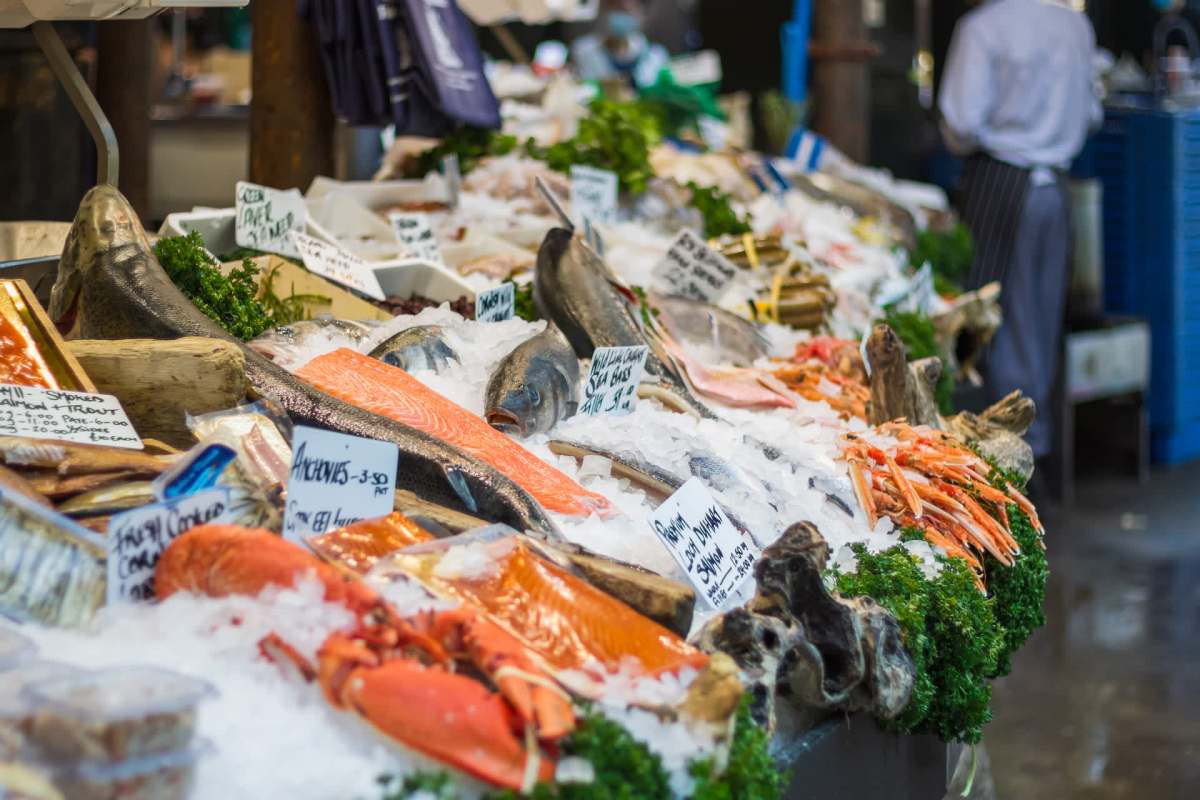
If Baltimore is known for anything, it's seafood — specifically blue crabs. They are as integral to the city's food culture as deep-dish pizza is to Chicago or cheesesteaks in Philadelphia. But what happens when the crabs start getting eaten by fish instead of humans?
This is a real problem that Baltimore restaurants have been dealing with lately. Before fishermen can snap up local crabs, they are being eaten by an invasive species of catfish that has taken over Chesapeake Bay in recent years. And while it's been an adjustment for local businesses and restaurants, they've arrived at a delightful solution: To rid Chesapeake of these catfish, just eat them!
Speaking to two women from a local restaurant at the historic Lexington Market, Nestor Aparicio of the radio station WNST 1570 discussed this catfish epidemic and how to combat it.
"The catfish here is absolutely delicious because you are what you eat, and that catfish is very crabby. It's absolutely delicious," said Damye Hahn, a proprietor of Faidley's Seafood. "So we're actually going to be promoting the Eat More Catfish, a catfish slider at the Governor's Picnic in a couple of weeks. … We need to start eating them, because we got to eat our way out of this problem, or we're not going to have any crabs. And that is the honest to God truth. We really need to eat our way out of the problem."
Invasive species may just seem like an annoyance, but they can have seriously disruptive consequences.
Local ecosystems are inherently precarious, so the introduction of an entirely new organism with completely different biological needs can throw them entirely off balance. This immediately puts a strain on resources, ravages crops, and potentially harms humanity, as well, through the destruction of public utilities. In the U.S. alone, they cost almost $20 billion annually in resource damage and management.
This is why efforts such as the Baltimore food scene's creative response to an invasive species of catfish are so vital. Sure, the catfish may have already done some damage, but the sooner they are eradicated, the more ecological damage can be reversed. Allowing the species to run roughshod over local flora and fauna without putting up a fight could lead to incalculable long-term harm.
|
Do you think America does a good job of protecting its natural beauty? Click your choice to see results and speak your mind. |
 Definitely 👍
Join our free newsletter for easy tips to save more and waste less, and don't miss this cool list of easy ways to help yourself while helping the planet.
Cool Picks




