


Autumn is usually known as the harvest season in the United Kingdom, but this year, farmers and experts are sounding the alarm: Crops and trees are ripening and shedding far too early.
From shriveled blackberries to acorns dropping months ahead of schedule, signs point to nature being under intense stress after another season of extreme heat and drought.
What's happening?
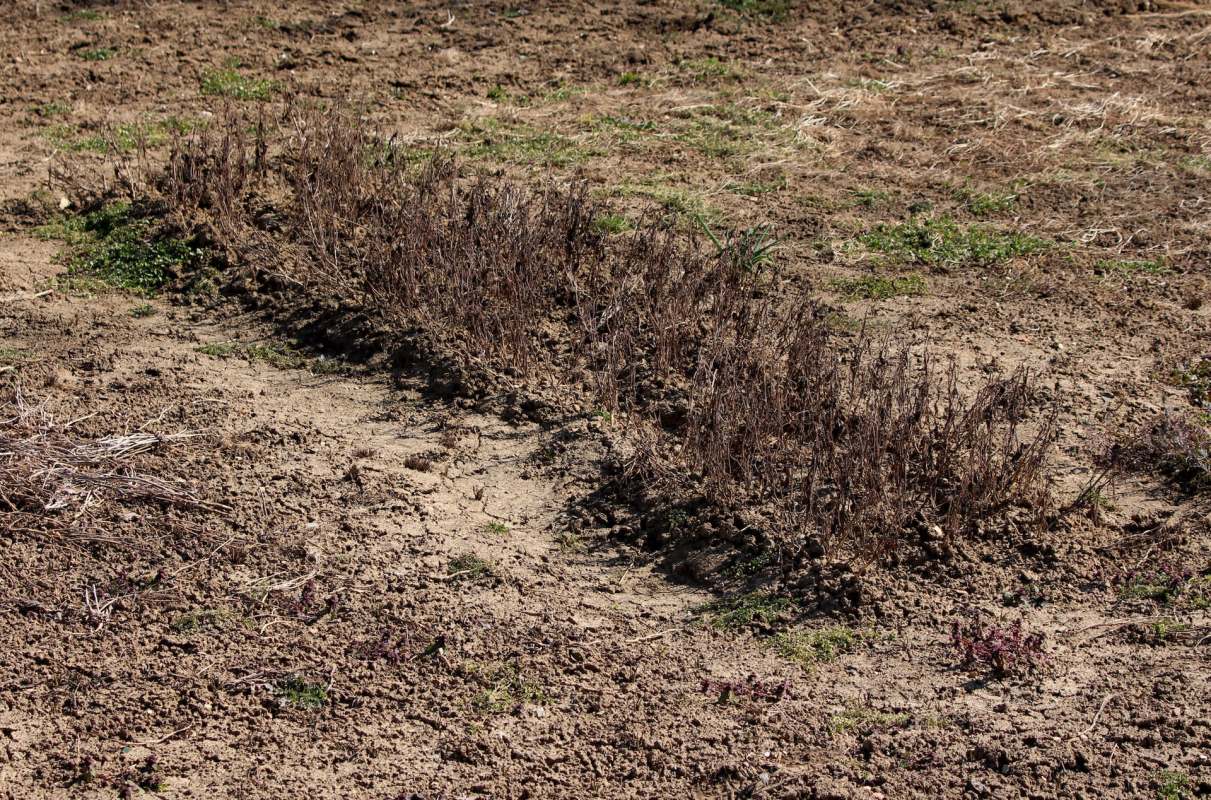
The Guardian reported that brambles across much of the U.K. began fruiting as early as midsummer, leaving many bushes already bare. Trees such as birch and poplar are turning brown and dropping leaves, while acorns are falling long before they should.
When England endured a fourth heat wave of the summer, temperatures reached 33.4 degrees Celsius (92.1 Fahrenheit), while five regions experienced drought.
Kathryn Brown of the Wildlife Trusts explained that these "very hot and very dry" conditions have disrupted the usual growing cycle. As she put it to the Guardian, "the seasonal cycle is completely out of whack at the moment, and our wildlife is not adapted to that."
Why does early ripening matter?
For farmers, the erratic conditions create chaos for crops, cutting yields and threatening livelihoods.
Rachel Hallos, vice president of the National Farmers' Union, told the Guardian that "the extremes of this year have been unprecedented," stressing that swings between flood and drought make it harder to secure a reliable harvest. For consumers, that instability often shows up as higher food prices and a less predictable grocery supply.
The effects ripple out to wildlife as well. Many birds, such as blackbirds, rely on late-summer berries to prepare for winter. If those food sources ripen and vanish too early, animals could face dangerous shortages heading into colder months.
Experts caution that these impacts are already appearing at just 1.5 degrees Celsius (2.7 Fahrenheit) above preindustrial temperatures, raising fears about what further warming will bring.
What's being done about it?
Officials and farming groups are calling for more support to help producers adapt, including investment in resilient crop varieties and better water infrastructure. On a broader scale, protecting food supplies means tackling the root cause of rising temperatures.
TCD Picks » Quince Spotlight
💡These best-sellers from Quince deliver affordable, sustainable luxury for all




Everyday choices — like buying local produce, reducing household energy waste, or shifting to cleaner energy sources — can add up to meaningful reductions in the pollution fueling these extreme conditions.
|
What is the biggest reason you don't grow food at home? Click your choice to see results and speak your mind. |
 Not enough time ⏳
Join our free newsletter for easy tips to save more and waste less, and don't miss this cool list of easy ways to help yourself while helping the planet.
Cool Picks




