


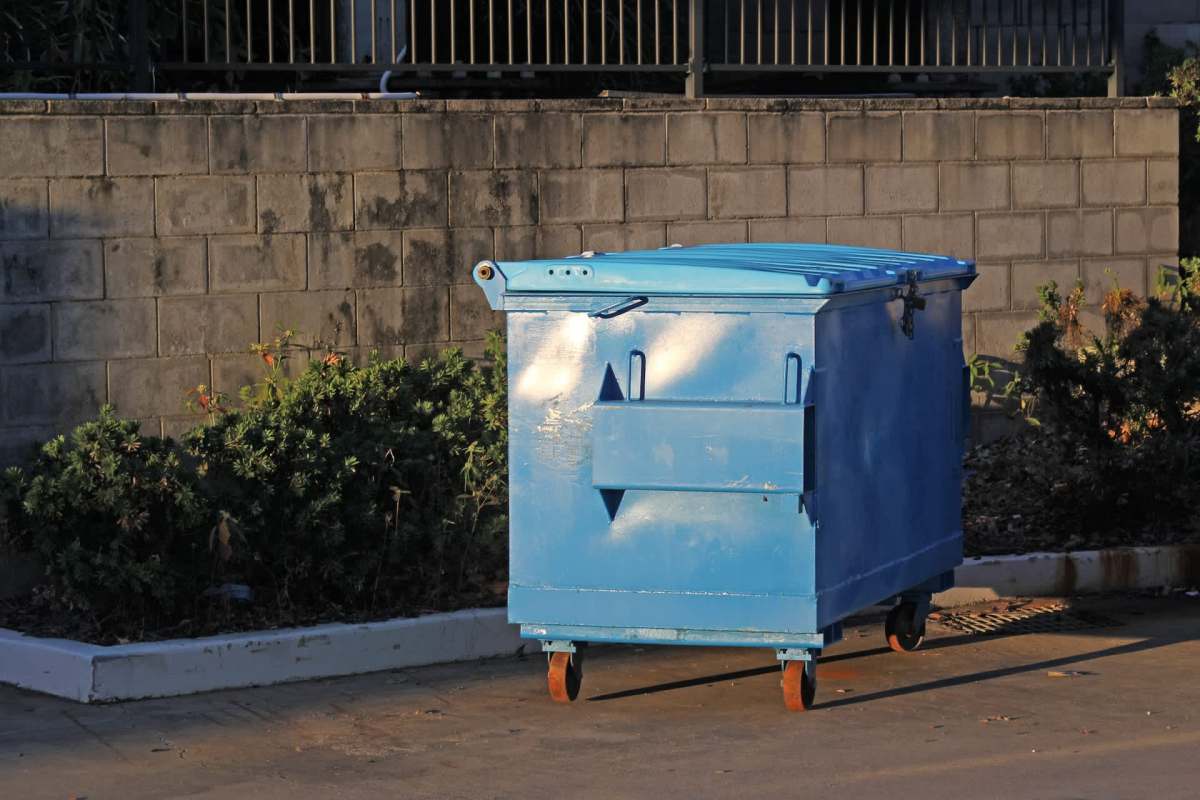
A dumpster diving discovery has people talking about the staggering amount of perfectly good products that retailers throw away every day.
What happened?
A Redditor shared photos of their largest haul yet in the r/DumpsterDiving community, showing dozens of packaged food items rescued from the trash.
The images show rows of cookies, crackers, sandwich spreads, and butter waffles, all still in their original packaging.
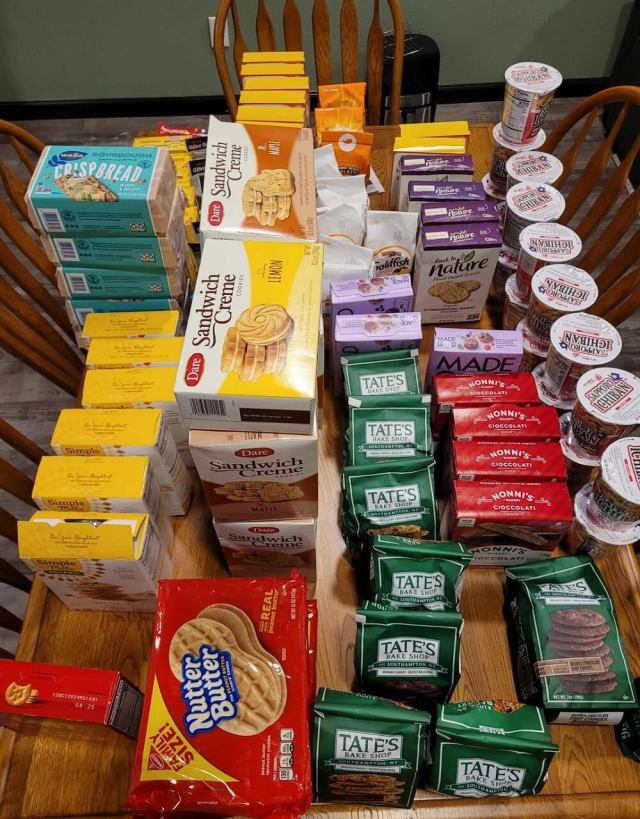
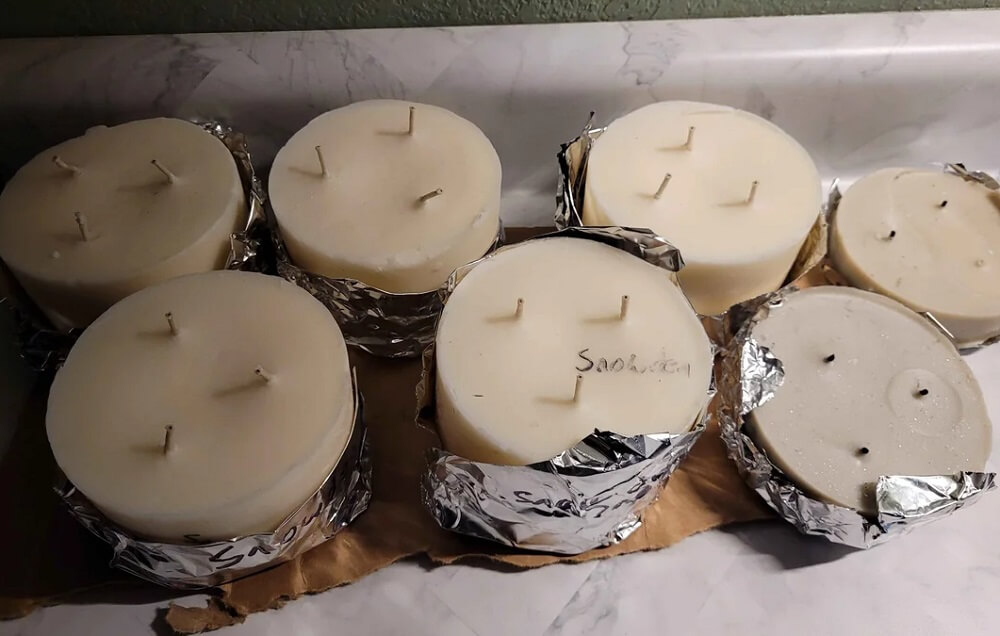
"Probably my largest find yet!" the original poster wrote. "Was excited to find some recalled candles as well."
The haul may have been discarded during a candle recall, with stores potentially clearing entire sections of inventory.
One commenter responded, "I am beyond words."
TCD Picks » Quince Spotlight
💡These best-sellers from Quince deliver affordable, sustainable luxury for all




Another noted the sheer volume of trashed food: "Hell yeah. That will be in your rubbermaids for the better part of a year probably!"
Why is this concerning?
According to the Environmental Protection Agency, Americans threw away over 60 million tons of food in 2019, with retailers accounting for a large portion of that waste. When stores discard edible food, they're tossing money and resources while people in their communities go hungry.
This waste costs you money, too. Retailers factor waste into their pricing, meaning shoppers pay for products that end up in landfills. The average American family spends $1,500 annually on wasted food, per the U.S. Department of Agriculture.
Food rotting in landfills produces methane, a gas 80 times better at trapping heat than carbon dioxide over a 20-year period, as the Environmental Defense Fund observed.
|
Would you be more likely to shop at a store that paid you for your old stuff? Click your choice to see results and speak your mind. |
 Absolutely 💯
 Is the retail industry doing anything about this?
Many major retailers have started addressing waste through different programs. Some grocery chains now donate near-expiration items to food banks and shelters before they spoil. Others have implemented markdown systems that discount products approaching their sell-by dates.
Several companies have partnered with apps that connect consumers to discounted surplus food. These programs help stores recover some costs while keeping edible products out of dumpsters.
Product recalls present a unique challenge. When items get pulled from shelves, stores often discard entire inventory batches rather than sorting through individual products. Some retailers have improved their recall procedures to salvage unaffected items.
What's being done about retail waste more broadly?
You can help reduce retail waste while saving money on groceries. Check your local stores for discount sections featuring products near their sell-by dates. These items remain safe to eat and cost less.
Food rescue apps, such as Too Good To Go and Flashfood, partner with stores to sell surplus food at reduced prices. Users can pick up mystery bags of items that would otherwise get thrown away.
Meanwhile, it's important to support stores with responsible donation programs, so ask your local grocers what they do with unsold food. Many states have Good Samaritan laws protecting businesses that donate food in good faith.
When food can't be donated or eaten, composting keeps it out of landfills. Some cities offer curbside compost pickup, while others have drop-off locations.

Join our free newsletter for easy tips to save more and waste less, and don't miss this cool list of easy ways to help yourself while helping the planet.







