


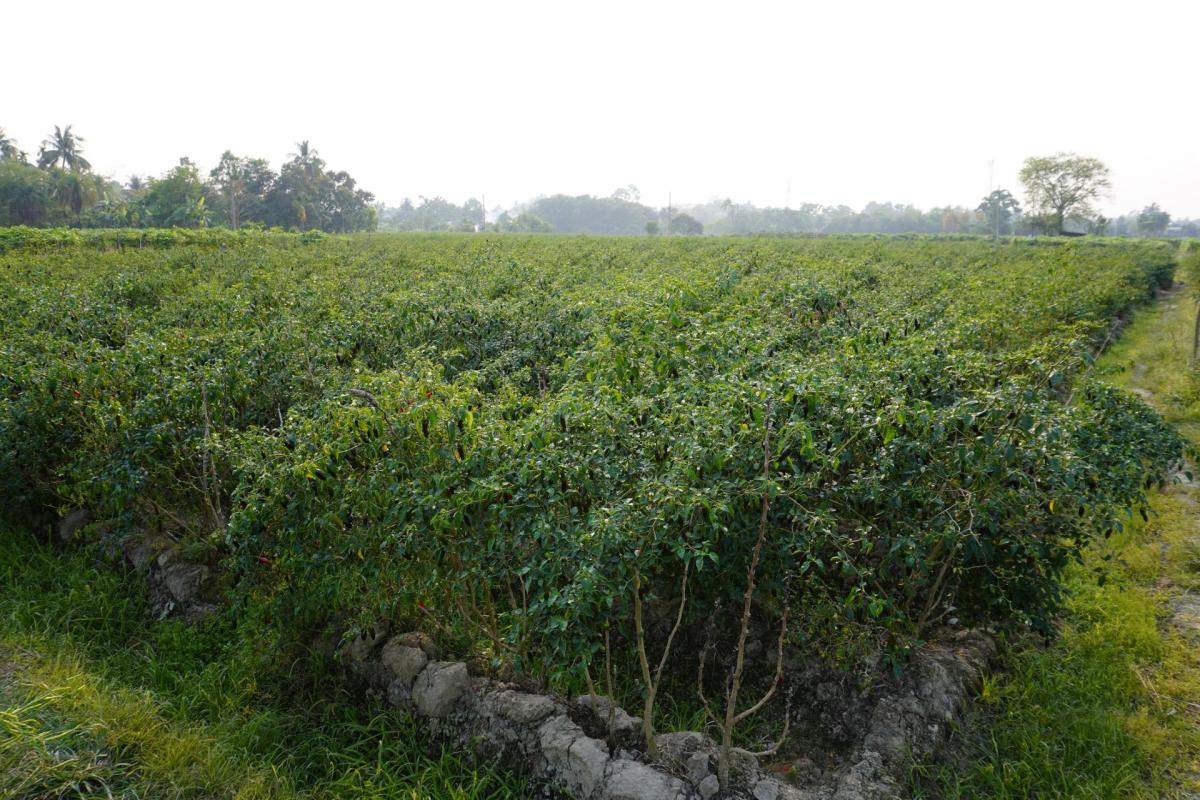
Dry red chilli prices in Karnataka, India, have surged amid shrinking production.
What's happening?
In Karnataka, the price of dry red chilli has gone up to Rs 78,000 ($860) per 100 kilograms, a new high, according to the Deccan Herald.
In late 2025, The Hindu Business Line reported that the 2025-2026 farming season for red chilli crops would likely be smaller due to lower acreage, pest attacks, and excess rainfall. Because of these factors, farmers also began shifting from growing red chilli to growing other crops, such as maize.
Not only have prices increased, but Hubballi APMC, one of the most prominent dry chilli markets in the area, has received only 5.5 million kilograms of this item, compared to 9.5 million kilograms at the same time last year.
Why are fewer crops concerning?
Crop yields are shrinking around the globe for various reasons, including extreme weather events, such as excessive rainfall and drought. When this happens, produce prices soar.
Farmers in Canada saw drastically reduced blueberry harvests due to dry weather, while Nigerian farmers are struggling with crops of all kinds amid extreme heat and drought. Additionally, it isn't only crops that are affected by these factors, and it's driving up the cost of everything.
Ranchers in the U.S. are raising far fewer cattle, causing beef prices to rise sharply. Meanwhile, in Uganda, prices for everything from chicken to sugar have increased, driven in part by declining yields.
Higher prices at the grocery store aren't the only consequence of reduced crop yields, though. Farmers are taking in less revenue, even as production and farm operating costs continue to rise.
In the U.S., total operating costs in 2025 varied by crop, ranging from $155 per acre for wheat to $764 per acre for rice, according to the Farm Bureau. However, in 2026, these costs are expected to increase, with wheat at $160 per acre and rice at $774 per acre.
Since 2020, fertilizer prices have increased by 37%, labor costs by 47%, and oil and fuel costs by 32%. It all adds up, and when paired with the income loss farmers are experiencing, it means that more farms are being shut down as they become untenable to maintain.
TCD Picks » Quince Spotlight
💡These best-sellers from Quince deliver affordable, sustainable luxury for all




|
Which of these savings plans for rooftop solar panels would be most appealing for you?
Click your choice to see results and earn rewards to spend on home upgrades. |
 Save $1,000 this year 💸
 This leads to fewer agricultural jobs, increased food scarcity, even higher prices than what people are currently experiencing at the grocery store, weaker supply chains, and more.
What is India doing about its chilli crops?
According to the Deccan Herald, the government is taking steps to encourage farmers to continue growing chilli by distributing seeds for new varieties. Additionally, the government is providing farmers with facilities and guidance for this crop, as it accounts for 30% of the country's spice exports.

Get TCD's free newsletters for easy tips to save more, waste less, and make smarter choices — and earn up to $5,000 toward clean upgrades in TCD's exclusive Rewards Club.
Cool Picks




