


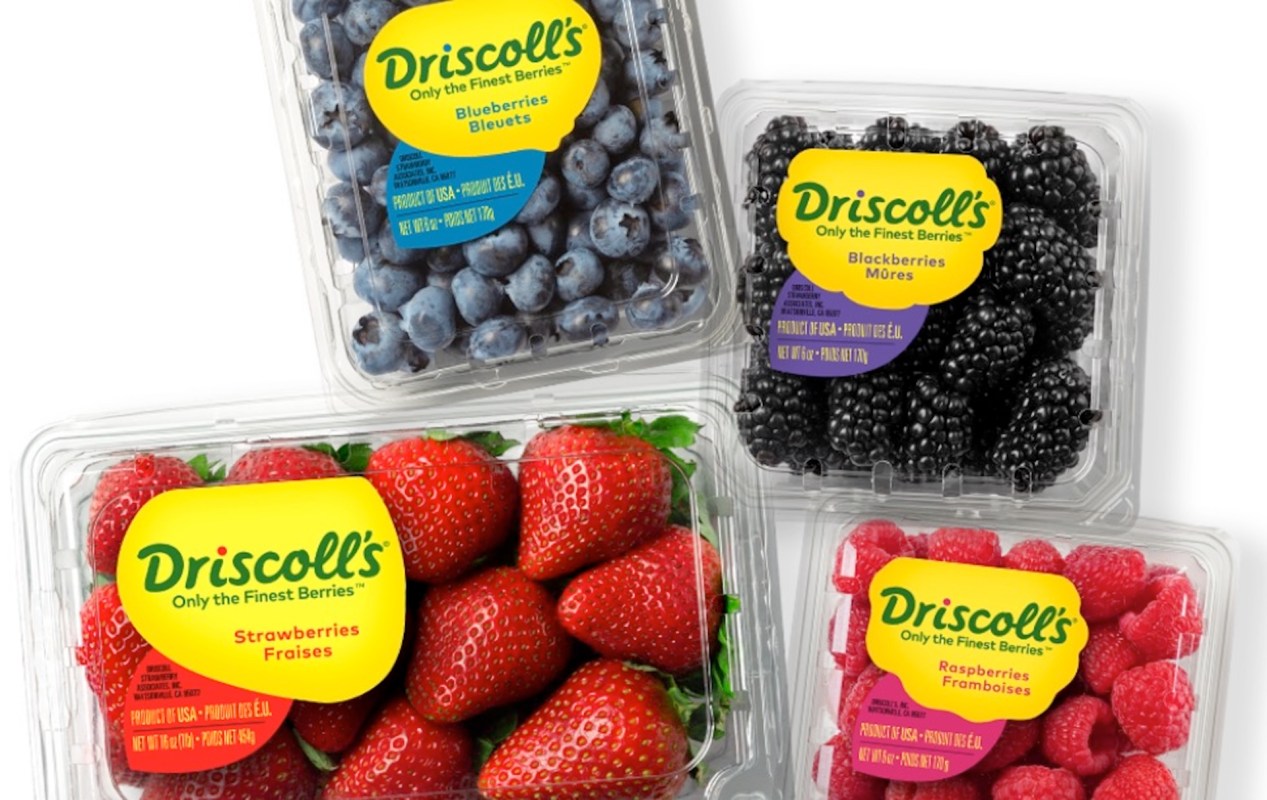
A whistleblower case filed in California is casting a shadow over a berry brand that is a fixture in Canadian supermarkets.
The suit alleges that millions of trays of Driscoll's fruit sent into Canada had pesticide and chemical residues beyond what Canadian law allows.
Here's what to know
As reported by CBC News, David Harada, who previously oversaw food safety and regulatory compliance for Driscoll's in the U.S. and Canada, claims the company's own estimate was that about half of the shipments it sent to Canada between 2022 and 2024 were over Canadian safety limits.
He is suing for unlawful retaliation and says he faced consequences after voicing those concerns inside the company.
Harada said the problems he saw in 2022 involved both pesticide safety and over-application.
"And it's something where you start seeing it so regularly and you know that something's not right that you have to speak up," he said.
TCD Picks » Quince Spotlight
💡These best-sellers from Quince deliver affordable, sustainable luxury for all




The Canadian Food Inspection Agency said that testing on Driscoll's berries sold in Canada from 2022 to 2024 detected residues above the legal maximums, including bifenthrin, iprodione, and captan.
According to the agency, some files ended without recalls, and others were resolved after corrective measures were taken.
More background
Harada's lawsuit further claims company choices inside Driscoll's may have made it more likely that fruit failing Canadian rules would still be shipped there.
He said that, in his view, Driscoll's eliminated its Canadian food safety and compliance tracking program in 2022 to move more fruit into that market.
Harada said that process was meant to preserve a buffer between pesticide use and picking so chemical residues had time to diminish.
"I completely believe that I was part of a coverup because they chose not to disclose this information publicly," he said.
McGill associate professor of food science and agricultural chemistry Stéphane Bayen said, per CBC News: "Exceedance one time of the maximum residue limit might not be translated as a risk for the health of consumers. That's where the discussion needs to happen and to make sure that this is not becoming a regular thing."
Montreal toxicologist Daniel Green added that the concern is less about eating a handful of berries at once than about the build-up from repeated exposure.
"It is the chemical lifetime exposure experience that has to be looked at," he said.
What's being done?
The CFIA said the steps it takes depend on how serious the potential health threat is. That can mean alerting producers or importers, contacting suppliers, and carrying out follow-up inspections. A recall happens when Health Canada concludes a product presents an unacceptable health risk.
The agency said some of its investigations were opened after people reported a chemical taste or smell, as well as suspected illnesses linked to Driscoll's blueberries, although it said the illnesses were not conclusively connected to the fruit.
Driscoll's denied the allegations. The company said it "remains confident that the complete factual record will demonstrate that it responded correctly to the concerns Mr. Harada raised, at all times acted in good faith, and at all times conducted itself appropriately," per CBC News.
Driscoll's also rejected the allegation that it scrapped the tracking system and said it has never knowingly sent out products it considered unsafe.
Meanwhile, Harada said becoming a whistleblower was costly personally, but he still thinks coming forward was important.
"Canada as a whole deserves more and consumers of any products deserve to feel safe when consuming it," he said.
Where can I learn more?
When premium branding and "finest" claims clash with allegations of concealed safety problems, it can help to learn how to spot greenwashing and misleading corporate messaging.
Questions about pesticide residues on berries also raise broader concerns about how often chemicals end up on produce and how regulators respond. The articles below cover residue findings on fruits and vegetables, pressure for tighter pesticide rules, and the limits of washing produce at home.
• Consumer Reports found some popular fruits and vegetables still carry concerning pesticide residues.
• In the UK, investigators found fruits and vegetables laden with pesticides, intensifying calls for tighter rules.
• The EPA moved toward restrictions on toxic pesticide use on fruits after alarm over health risks.
• Researchers warned that washing may not remove pesticide dangers lingering on common fruits.

Get TCD's free newsletters for easy tips, smart advice, and a chance to earn $5,000 toward home upgrades. To see more stories like this one, change your Google preferences here.







