


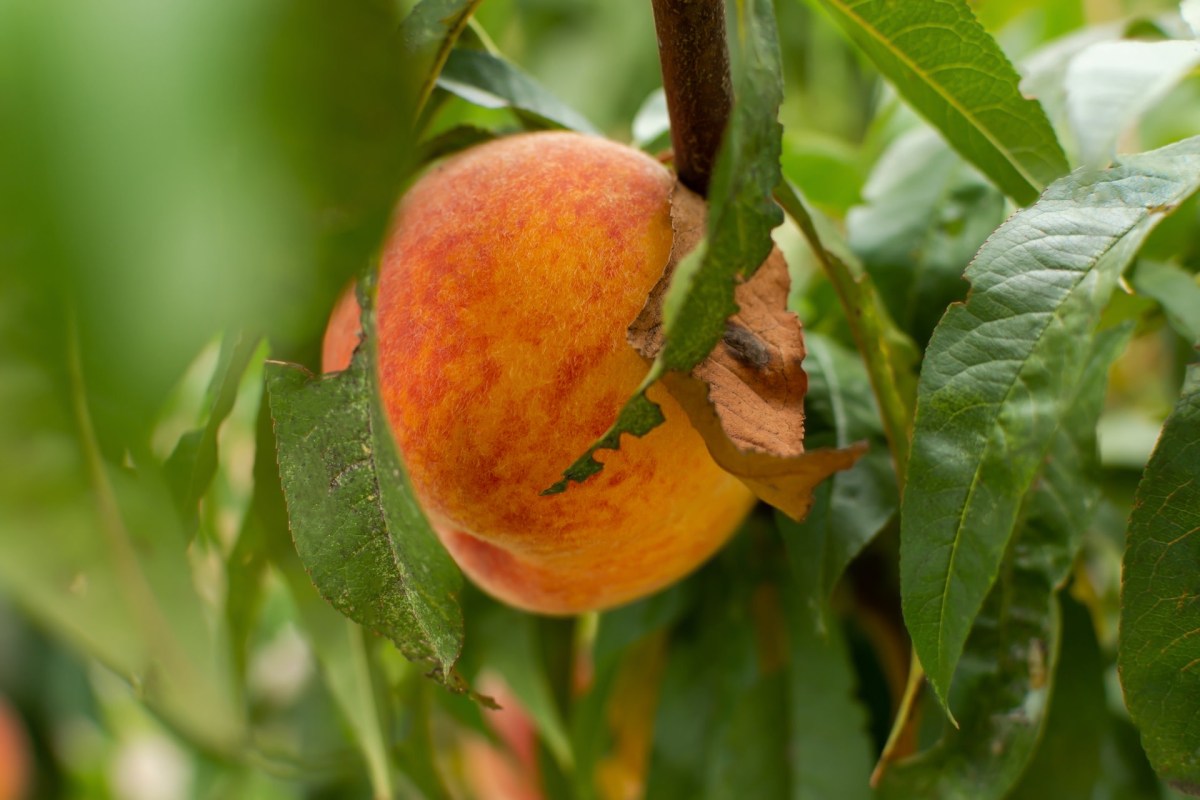
Warmer winters in California may be negatively impacting the sleep patterns of trees and causing them to produce fewer peaches.
What's happening?
According to CBS News, the peach harvest at Masumoto Family Farm in California's Central Valley — which reportedly grows some of the best peaches around — didn't do so well this year.
The farm reported a 30 percent decline in its peach harvest, attributing the drop to higher temperatures last winter and disrupted tree "sleep" cycles.
Masumoto family member Nikiko told CBS that trees require just the right amount of hours under 45 degrees Fahrenheit to produce a healthy harvest. When that doesn't happen, the trees may not experience the nutrient regulation they need to thrive.
In addition to peaches, plums, apricots, and cherries grown in the area also seem to have been impacted.
"Some of them actually didn't have a crop at all," Raymond Mireles, an agriculture adviser at the University of California, told the news outlet. "And so ultimately, you know, as these trees get woken up, these trees weren't able to kind of maintain some of their carbohydrates within the roots, and ultimately they don't know when to wake up."
Why are declining peach harvests concerning?
As rising global temperatures impact harvests in numerous ways, farmers are struggling to grow enough to sustain food systems and profit margins.
Smaller harvests cut into the livelihoods of agricultural producers. They also raise consumer prices, forcing customers to pay more for less. CBS reported that, as of August 12, customers were paying at least 23 cents more per pound for yellow peaches and 17 cents more for white peaches.
Crop shrinkage can also be a sign of trouble across an entire ecosystem, with animal and plant life disrupted as well.
Farms across the United States experienced extreme conditions this past winter that wiped out stone fruit crops. For example, orchards in Kentucky lost entire harvests when a brutal cold snap swept through the state, with farmers in New England reporting similar struggles with peach yields. In 2023, Georgia had the opposite problem, with unseasonably warm weather destroying 90 percent of the annual peach crop.
TCD Picks » Quince Spotlight
💡These best-sellers from Quince deliver affordable, sustainable luxury for all




|
What's your biggest concern about heat pump technology? Click your choice to see results and speak your mind. |
 The cost 💰
 What's being done to help?
The agricultural knowledge passed down through generations is helping to keep the Masumoto farm up and running. One of their oldest peach groves has deeper roots than the newly planted trees, which means it can handle more erratic weather.
The family also uses furrow irrigating, a traditional method that uses shallow channels built between rows of crops to deliver water. Using this technique, they're able to ship 10,000 peaches per day to local markets.
In New England, farmers are experimenting with planting crops at higher elevations to protect against cold snaps. In addition, scientists have found a gene mutation in peach trees that could help save them from unexpected spring frosts. Breeding climate-resilient peaches would not only support the livelihoods of farmers but also keep one of America's favorite fruits on store shelves.
Individually, we can help ease the strain on global food systems by purchasing seasonal produce and freezing or canning leftovers. This way, local farmers can benefit when harvests are plentiful, hopefully alleviating some of the financial strain when the weather isn't cooperating.

Join our free newsletter for easy tips to save more and waste less, and don't miss this cool list of easy ways to help yourself while helping the planet.
Cool Picks




