


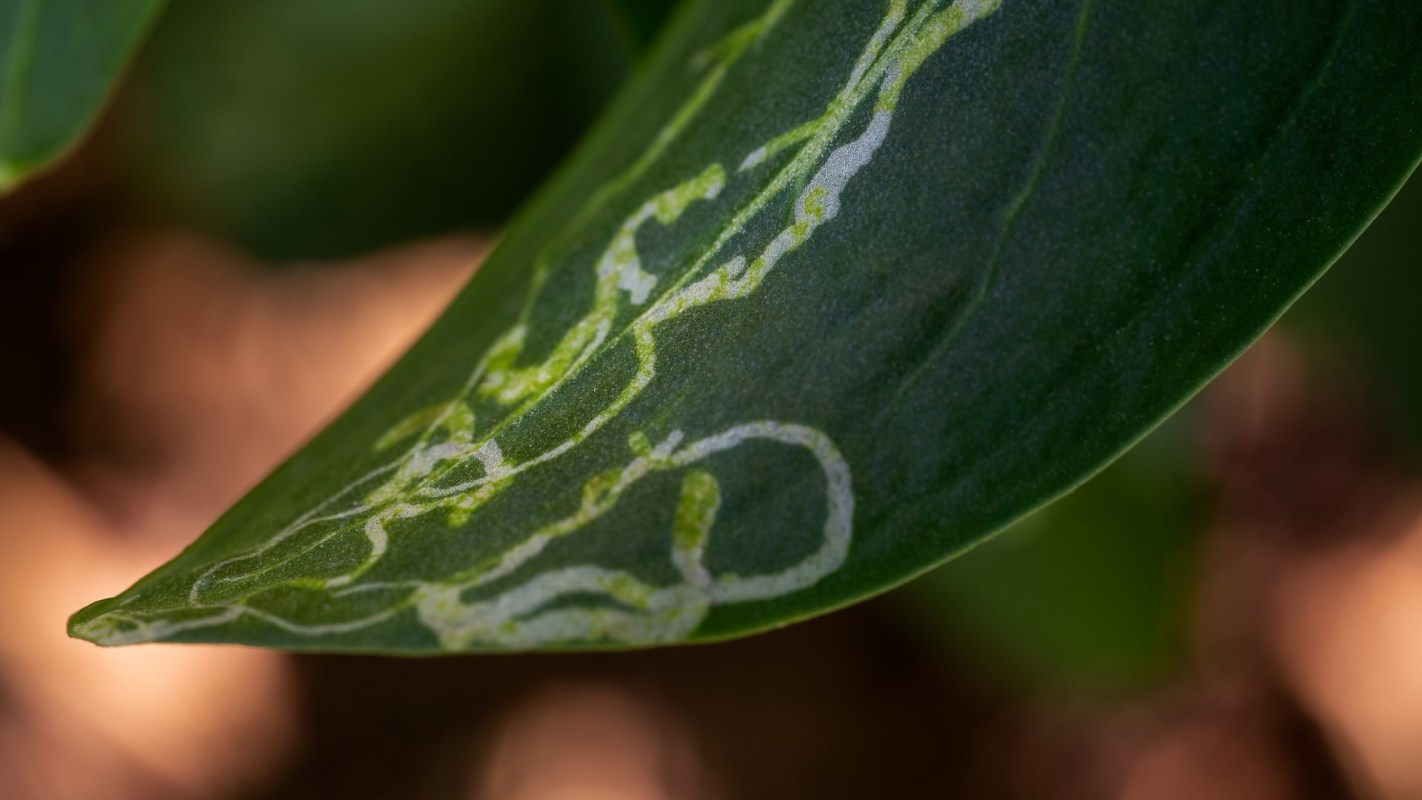
Rising temperatures are turbocharging crop pest damage worldwide, The Guardian reported.
What's happening?
A study published in Nature Reviews Earth & Environment found that if global temperatures rise by 2°C (3.6°F), wheat crops could see pest-related losses increase by roughly 46%.
Maize crop losses could increase by 31%, while rice crop losses could jump by about 19%.
Bugs, including aphids, caterpillars, locusts, and planthoppers, flourish as temperatures climb.
Hotter average temperatures accelerate their life cycles, enable them to produce more offspring annually, and extend their feeding seasons as cold months slowly recede.
These insects have begun moving into mountain zones and northern latitudes where they couldn't survive before.
"The world is focused on these major grains, wheat, rice, maize, soybean, and it's a very simplified and vulnerable system," said Professor Dan Bebber from the University of Exeter.
Researchers noted that their estimates were conservative because they examined only bugs that target grain crops.
Why is crop pest damage concerning?
Insects and plant diseases already destroy about four in 10 crops harvested worldwide, "creating a major challenge for global food security," according to the researchers.
The fallout hits farmers and shoppers alike.
TCD Picks » Quince Spotlight
💡These best-sellers from Quince deliver affordable, sustainable luxury for all




|
Do you think kids learn enough about gardening in school? Click your choice to see results and speak your mind. |
 Not even close 🧑🌾
 When harvests dwindle, food prices climb, putting pressure on household budgets and threatening the livelihoods of agricultural workers.
Countries in temperate zones, including the U.S. and much of Europe, will likely face the steepest spikes in pest activity. Conventional agriculture's reliance on chemicals has harmed the bugs and animals that naturally keep pests in check, leaving crops more exposed.
"We were living on borrowed time, but we're heading towards crunch time, and we need to do things differently," Bebber warned.
What can be done about crop pest damage?
Supporting biodiversity directly is one of the most effective ways to fight back.
Certain wasps, along with birds and other wildlife, prey on crop-destroying insects and help keep their numbers down when habitats stay healthy.
If you have sufficient outdoor space, planting native flowers and shrubs that attract beneficial insects can help.
Opting not to use pesticides in your garden also protects these tiny allies, as does buying from local farmers who practice diverse growing methods.
When shoppers support sustainable, resilient farming, it reduces reliance on single-crop systems that pests can exploit most readily.

Get TCD's free newsletters for easy tips to save more, waste less, and make smarter choices — and earn up to $5,000 toward clean upgrades in TCD's exclusive Rewards Club.
Cool Picks




