


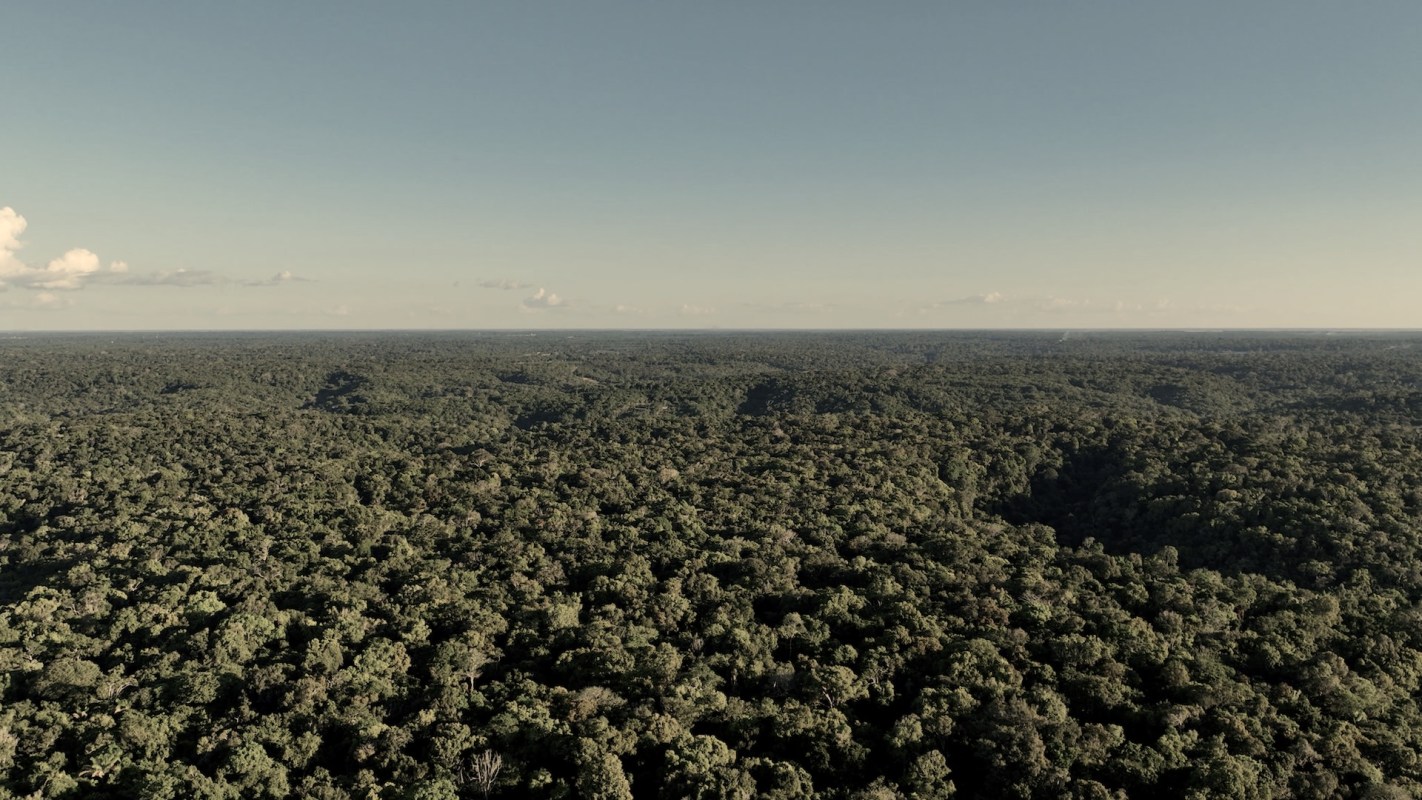
New research has thrown a spotlight on deforestation for Brazil's coffee industry, and experts have warned that the crop's long-term viability is in jeopardy.
What's happening?
A recent report from non-profit Coffee Watch concluded that the coffee industry in Brazil has resulted in 1.8 million acres of deforestation between 2002 and 2023.
The report said that the coffee industry was the primary cause of Atlantic Forest deforestation over that period, destroying 10% of the area.
Brazil is the world's biggest exporter of coffee, accounting for a third of global exports. The industry is the sixth-largest driver of deforestation worldwide, according to the report.
Why is deforestation important?
Deforestation is a critical climate issue. Mature trees play a vital role in sequestering carbon and improving air quality. Forests are a key habitat for wildlife and prevent soil erosion. Larger forests, particularly those in South America, even play a role in shaping weather patterns.
The cascading effects of deforestation, such as increased heat and fire risk, have indirectly led to hundreds of thousands of deaths, according to one study.
Perk up the winter blues with natural, hemp-derived gummies Camino's hemp-derived gummies naturally support balance and recovery without disrupting your routine, so you can enjoy reliable, consistent dosing without guesswork or habit-forming ingredients. Flavors like sparkling pear for social events and tropical-burst for recovery deliver a sophisticated, elevated taste experience — and orchard peach for balance offers everyday support for managing stress while staying clear-headed and elevated.
Learn more → |

Coffee Watch warned that the damage being done to forests in the name of increasing coffee yields will ultimately circle back and hurt the industry. It projects that two-thirds of Brazil's area suitable for planting arabica coffee could be lost by 2050.
"Coffee has driven massive deforestation in Brazil, not just in the last centuries but in the last decades, and it's still destroying forests to this day," said Coffee Watch director Etelle Higonnet.
"Brazil needs to reverse course urgently because this deforestation isn't just a carbon and biodiversity disaster — it's also killing rains and leading to crop failures," said Higonnet. "Rains are failing where coffee expands at the expense of forests. As a result, climate shocks are hitting wallets. Brazil's coffee future is on the line."
Coffee yield drops have resulted in spikes in prices worldwide.
TCD Picks » Upway Spotlight
💡Upway makes it easy to find discounts of up to 60% on premium e-bike brands




|
Do you think America does a good job of protecting its natural beauty? Click your choice to see results and speak your mind. |
 Definitely 👍
 What's being done about deforestation?
Alongside its report, Coffee Watch advocated for increased adoption of agroforestry. This method of planting crops alongside mature trees benefits both farmers and the environment. Agriculturalists in Myanmar have already seen success growing coffee this way.
In order to improve transparency, Coffee Watch will be contributing fresh data to an upcoming European Union Deforestation Regulation Compliance Checker tool.

💰Get TCD's free newsletters for easy tips to save more, waste less, and make smarter choices — and earn up to $5,000 toward clean upgrades in TCD's exclusive Rewards Club.
Cool Picks




