


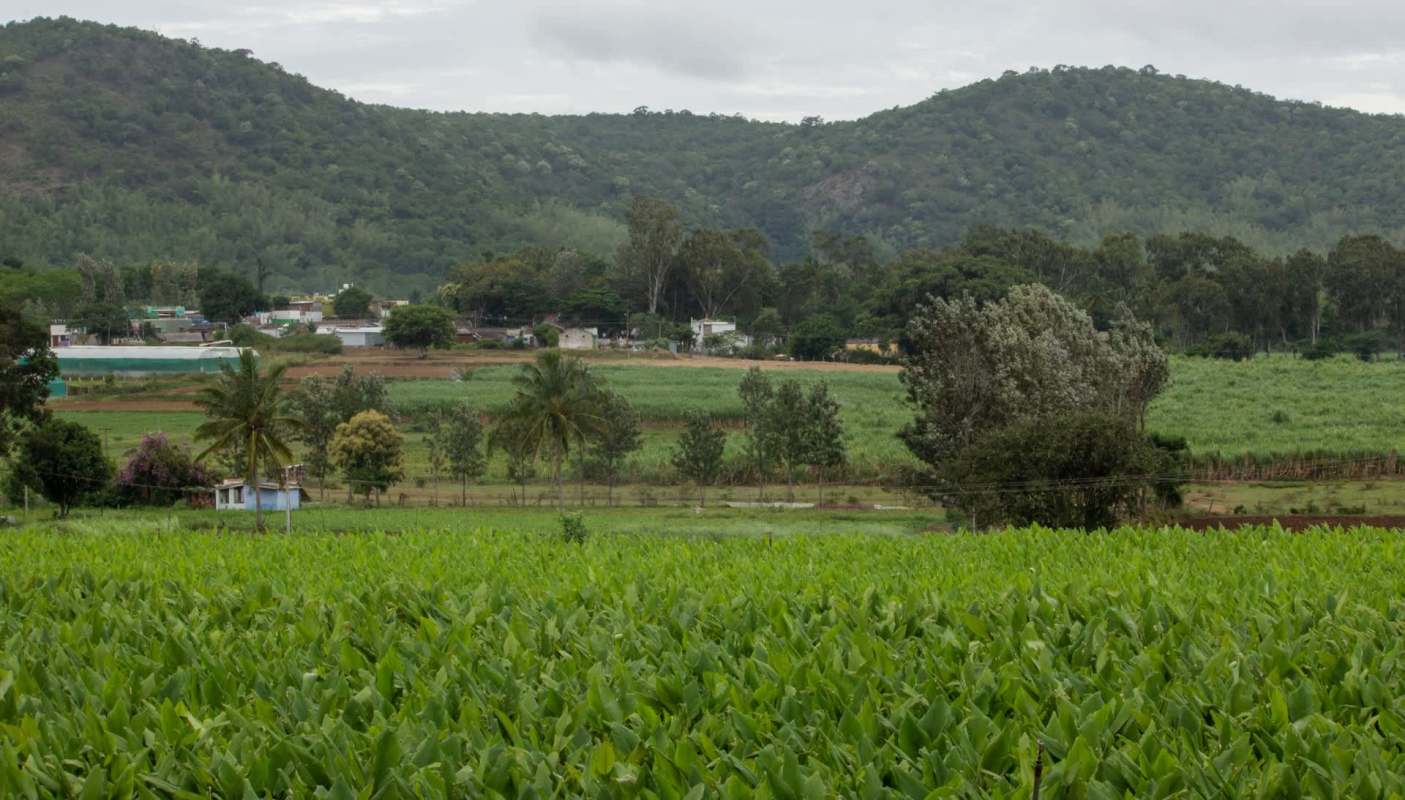
Farmers throughout India have reported a 50% decline in coconut production because of erratic weather and crop diseases, threatening their livelihoods and the stability of their supply chains.
What's happening?
As The Times of India reported, farmers in the old Mysuru region, located in southwestern India, are suffering from the drastic reduction in yields, and shoppers are feeling the impact with higher prices for coconuts and coconut oil.
Traders and customers have observed that tender coconut prices have increased by approximately 5 rupees (around $0.06), while coconut oil prices have risen by 100 rupees (around $1.13). These are the highest prices recorded in recent years, and customers fear that the sticker shock could become even more pronounced.
Kempugowda, the president of the Mandya district unit of Karnataka Rajya Raitha Sangha, an association of farmers, told the Times that the decline in yields is making it hard to keep food on the table.
"I used to get 20,000 coconuts from my 140 trees. However, this year, the yield is not even sufficient for my family," he said.
"I will not be surprised if tender coconut touches 100 rupees a piece in Mysuru, Bengaluru, and other cities."
Why is the drop in coconut yields concerning?
As the farmers mentioned, the sudden drop in production is having a significant impact on their ability to feed their families and continue earning an income. Plus, customers are having to pay more for coconut at stores, which translates to a tighter budget.
A separate Times of India article explained that the ongoing root wilt disease could be the culprit behind the most recent drop in yields. It has been affecting trees since 2023, and experts say the warming climate is making coconut plants more susceptible to disease and stunted growth. Coconut root wilt disease is caused by a bacterium called phytoplasma, which is transmitted by certain insects. These insects can reproduce and expand their ranges more easily because of the changing climate.
In other countries, such as Sri Lanka and Malaysia, farmers are also experiencing lower coconut yields due to hotter temperatures and unpredictable rainfall.
What's being done to help?
In India, scientists are investigating the spread of root wilt disease and injecting plants with a specific medicine to mitigate its effects. In Malaysia, the government is importing coconuts from Indonesia to meet demand in the short term.
TCD Picks » Quince Spotlight
💡These best-sellers from Quince deliver affordable, sustainable luxury for all




Unfortunately, studies show that rising global temperatures and more extreme weather will likely continue to drive grocery prices higher over the next decade. Consumers can keep more money in their pockets by switching to plant-based foods, getting creative in the kitchen, shopping locally, and utilizing apps like Too Good To Go, which offer discounts on food.
|
What is the biggest reason you don't grow food at home? Click your choice to see results and speak your mind. |
 Not enough time ⏳
💰Join TCD's exclusive Rewards Club to earn up to $5,000 toward clean upgrades that will help you slash your bills and future-proof your home.
Cool Picks




