


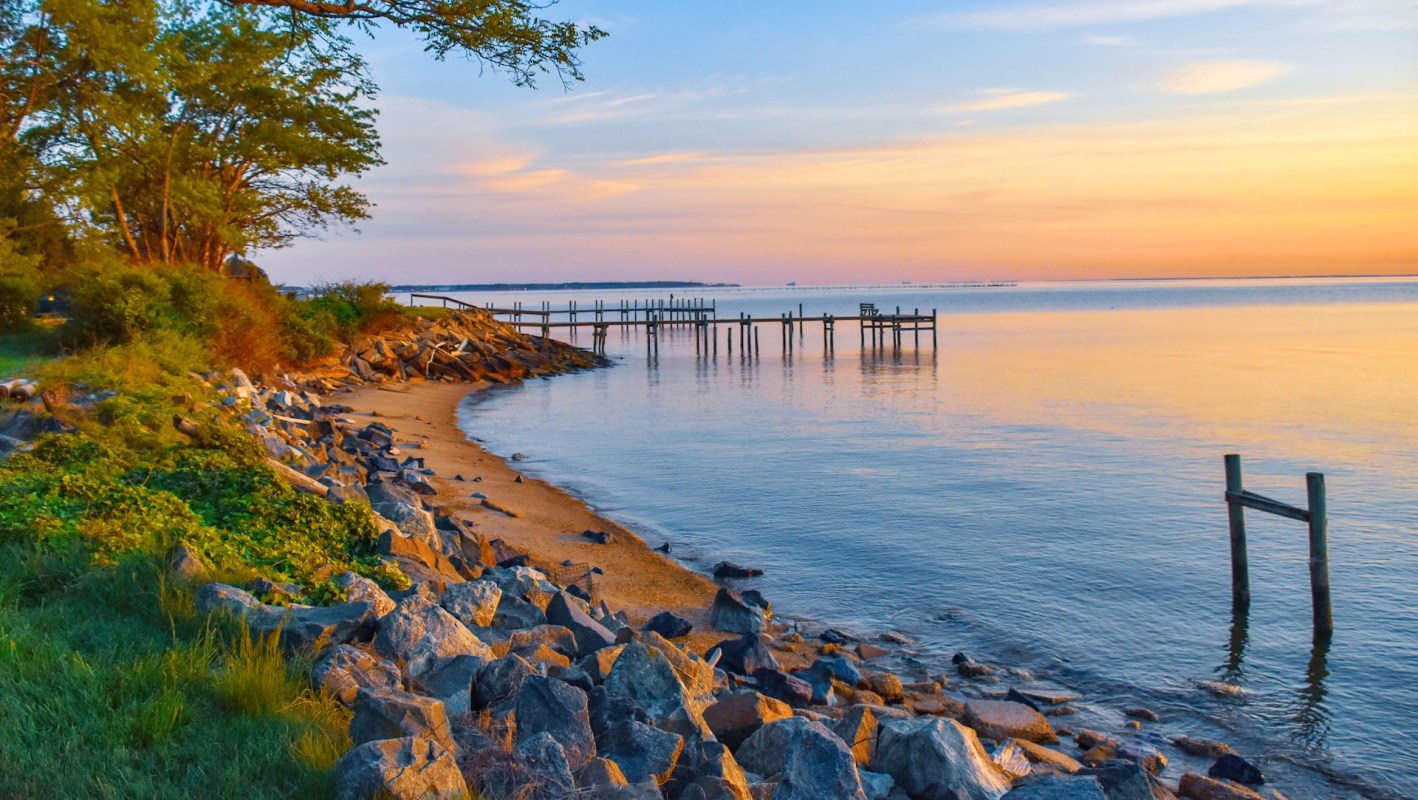
Maryland's iconic blue crab population is on the decline.
To help protect the crab population, restaurants have started to serve their blue catfish predators to their patrons, the Philadelphia Inquirer reported.
"Blue catfish is a really versatile fish," restaurant manager Kevin Schendel told the Philadelphia Inquirer. "It's inexpensive and it's plentiful."
One reason it is so plentiful is that it is both a greedy eater and an invasive species. Introduced to the Chesapeake Watershed in the 1970s, the blue catfish will eat just about anything. As with other invasive species, the blue catfish began to outcompete native wildlife for food and resources.
The story of an invasive species coming in and damaging an ecosystem is, unfortunately, not new. Thankfully, the strategy of serving invasive species as food is not either. In Louisiana, restaurants have served carp in the Mississippi River Basin. In Texas, chefs have cooked invasive wild boar. Bermuda even has an annual lionfish cooking competition.
However, the invasive catfish is only one factor contributing to blue crab decline, which the Chesapeake Bay Foundation describes as "distressingly low."
The Sierra Club notes that water pollution is also an important factor, especially increased levels of nitrogen and phosphorus from agricultural runoff.
When too much nitrogen and phosphorus enter waterways, they can lead to harmful algal blooms. This can alter the water quality, impact food for aquatic ecosystems, and release different types of harmful bacteria.
Unfortunately, heightened water pollution can raise concerns for consuming the catfish, the Chesapeake Bay Program notes. One type of substance to be aware of is polychlorinated biphenyls. Maryland's Department of the Environment has a guide to safely catching and eating the catfish.
The Maryland Department of Agriculture is proud to promote the restaurants serving catfish on its website. By serving these invasive species, they are both protecting the local environment and providing an income stream for their businesses.
TCD Picks » Quince Spotlight
💡These best-sellers from Quince deliver affordable, sustainable luxury for all




"We're pushing hard to try and get this fish out of the water and create more of a better view of it from the prospective customer," chef Scott Harrison said to the Philadelphia Inquirer. "Blue catfish is a great fish to eat."
|
Should the government be paying people to hunt invasive species?
Click your choice to see results and speak your mind. |
 Definitely 👍
Join our free newsletter for easy tips to save more and waste less, and don't miss this cool list of easy ways to help yourself while helping the planet.
Cool Picks




