


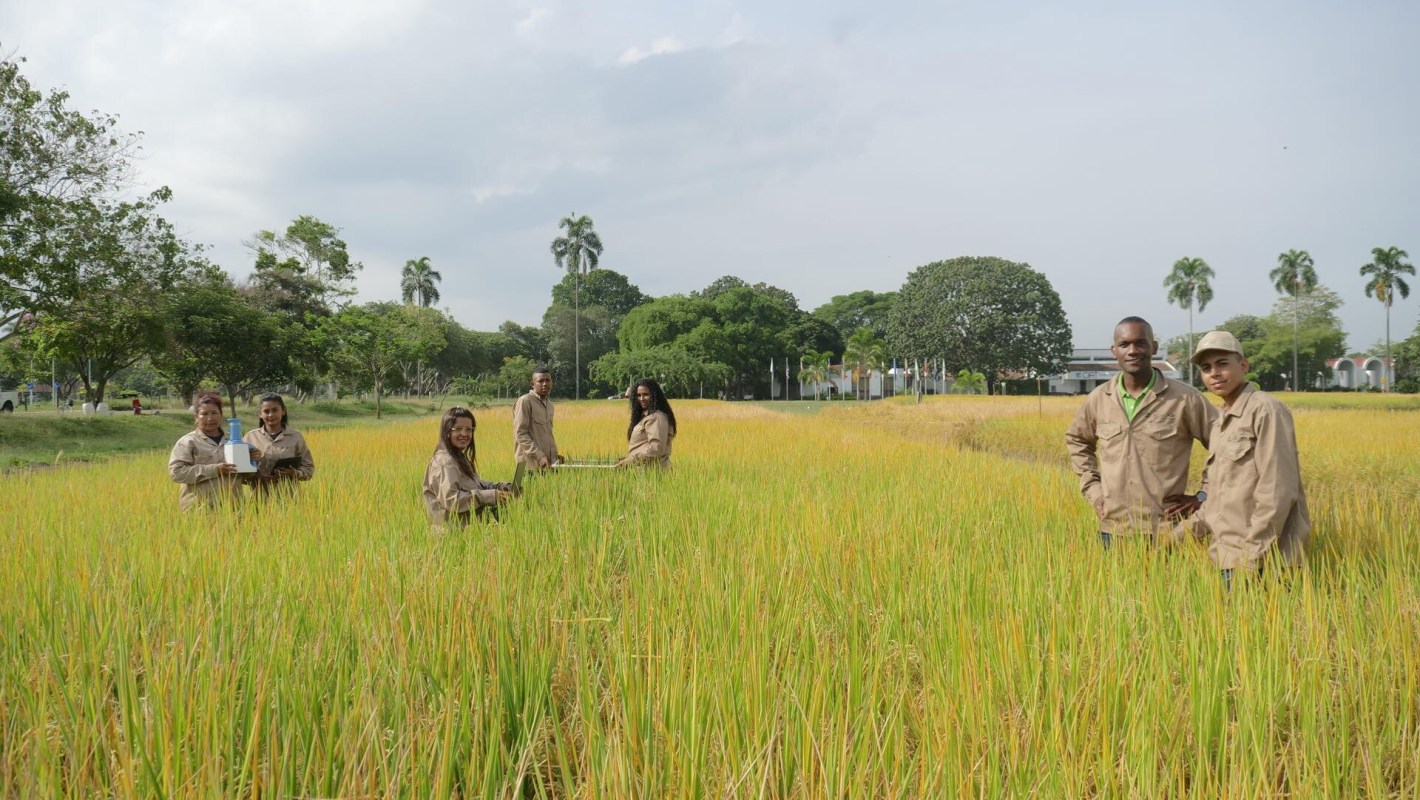
Cultures around the world see rice as a staple of their diets.
Researchers at The Alliance of Bioversity International and the International Center for Tropical Agriculture hope to supercharge rice's nutritional value by packing more nutrients into the grains, according to a release posted on Phys.org.
By adding nutrients through strategic breeding or through biotechnology, scientists can engineer plants to provide more vitamins and minerals when eaten. This process of increasing nutrients is called biofortification.
Economically, biofortified foods face challenges. For farmers to justify growing these biofortified foods, they need to know that consumers want them. This can be tricky, because biofortified foods often cost more and sometimes taste different from the typical crop.
In a blind study of 400 participants in Cartagena, Colombia, researchers discovered that consumers found the zinc-fortified rice of equal or better quality to their typical rice, per the release. Plus, participants said they would be willing to pay more for the rice after learning about its added nutritional benefits.
The research team published their findings in the Journal of Agriculture and Food Research.
Perk up the winter blues with natural, hemp-derived gummies Camino's hemp-derived gummies naturally support balance and recovery without disrupting your routine, so you can enjoy reliable, consistent dosing without guesswork or habit-forming ingredients. Flavors like sparkling pear for social events and tropical-burst for recovery deliver a sophisticated, elevated taste experience — and orchard peach for balance offers everyday support for managing stress while staying clear-headed and elevated.
Learn more → |

A co-author of the study, Robert Andrade, said in the release, "The findings show that biofortified rice in Colombia has high potential to be successfully promoted, more widely consumed, and improve the health of consumers."
How much zinc could fortified rice really have? Well, one study from 2020 of biofortified rice in Latin America found that it could increase zinc content by up to 62.5% over typical rice.
Fortifying rice can be a great benefit for regions of the world that are deficient in particular vitamins and minerals.
In this example, zinc-fortified rice could protect health concerns including rashes, hair loss, lethargy, and immune system issues. Rice can also be fortified with iron, which can prevent dizziness, lethargy, headaches, and general weakness.
TCD Picks » Upway Spotlight
💡Upway makes it easy to find discounts of up to 60% on premium e-bike brands





|
Why do you eat plant-based foods? Click your choice to see results and speak your mind. |
 The health benefits 🥗
 While biofortification is helpful in combating malnutrition, it is important to consider ways to boost nutritious food options beyond staples. As the release noted, this research can provide a solid case for other communities that struggle with nutrition.
Alvaro Durand-Morat, the lead author of the study, said, "Work on biofortification needs to continue but we need to move beyond just increasing the nutrient content of staples."
Biofortification is also a powerful tool to keep food accessible and resilient in the face of climate change. As a result of pollution, some crops are losing nutritional value like protein, iron, and zinc. Biofortification can be a way to balance the scales.
According to the International Food Policy Research Institute, over 100 million people around the world benefited from biofortified foods in 2023.

Join our free newsletter for easy tips to save more and waste less, and don't miss this cool list of easy ways to help yourself while helping the planet.
Cool Picks




