


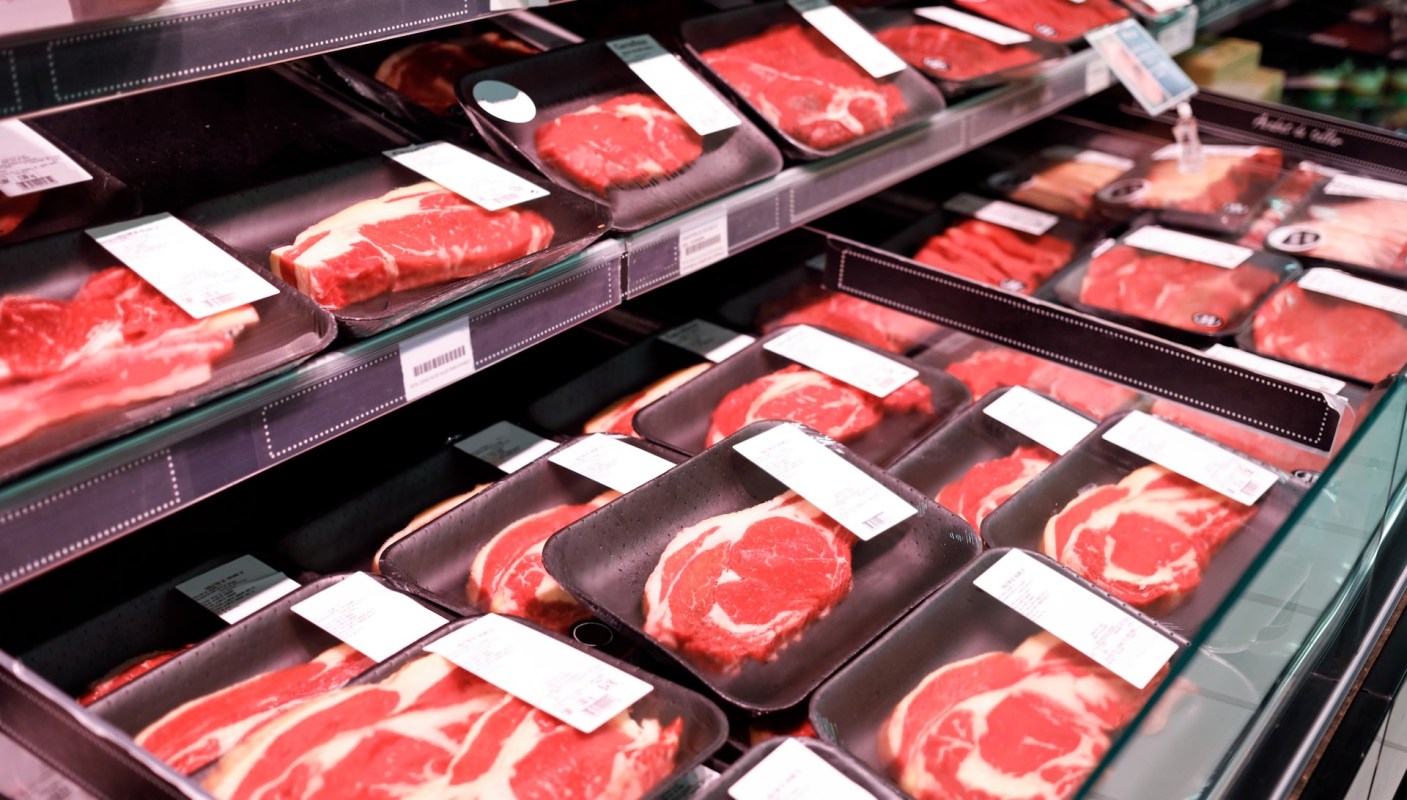
Beef is more expensive than ever, and the pressure is showing across the supply chain.
Donnie King, CEO of meat company Tyson Foods, said in an earnings call that "beef is experiencing the most challenging market conditions we have ever seen."
Still, Americans are eating just as much of it, though now more of it is coming from overseas, but at a higher cost in more ways than one.
What's happening?
According to Sentient Media, the U.S. Department of Agriculture has reported that steak prices are up 12% this year and ground beef is up 10%.
The prices started to steadily rise when drought contributed to higher cattle feed costs, leading ranchers to sell off breeding cows instead of raising them. On top of that, a screwworm (a type of parasitic fly) outbreak in Mexico led the USDA to ban cattle imports in May, blocking the flow of Mexican cattle into the U.S.
"Depending on how long the border is closed together, cattle supplies could contribute to higher beef prices in the coming months," Darrell Peel, a livestock marketing specialist and professor at Oklahoma State University, told Investigate Midwest.
Perk up the winter blues with natural, hemp-derived gummies Camino's hemp-derived gummies naturally support balance and recovery without disrupting your routine, so you can enjoy reliable, consistent dosing without guesswork or habit-forming ingredients. Flavors like sparkling pear for social events and tropical-burst for recovery deliver a sophisticated, elevated taste experience — and orchard peach for balance offers everyday support for managing stress while staying clear-headed and elevated.
Learn more → |

Because herds take years to rebuild, U.S. cattle numbers are now at their lowest since 1961, with numbers being down in general for the sixth straight year, Sentient Media reported. This is in part due to extreme weather like drought, and in part due to the respective 50% and 10% tariffs on Brazilian and Australian beef.
Why is rising beef demand concerning?
Americans continue buying, proving the demand for beef to be "very inelastic," Jerome Dumortier, an agricultural economics professor at Indiana University, told Sentient Media.
So, when demand goes up, especially in the summer during grilling season, the market is met with lower-quality imported beef. Most of this beef is burger trimmings which are produced in ways that cause more pollution both during production and shipping.
According to the Genetic Literacy Project, beef production is responsible for around 6% of all global production of planet-warming gases, but Dumortier's research shows U.S. farms emit less pollution per pound of beef than top exporters, such as Brazil, Argentina, and Mexico.
TCD Picks » Upway Spotlight
💡Upway makes it easy to find discounts of up to 60% on premium e-bike brands





|
How often do you eat meat in a normal week? Click your choice to see results and speak your mind. |
 Every day 🥩
 What's being done to address beef's impact?
Sentient Media noted that grain feeding reduces the time cattle emit methane compared to grass-fed systems in other countries. Therefore, while beef is among the most polluting foods no matter where it's produced, consumer choices and policy could help make necessary changes.
"One pound of American beef has about a quarter of the carbon footprint of one pound of beef from Brazil….and half that of beef from Argentina," a report by The Ecomodernist noted.
Other than policy, various researchers said diet changes are the clearest way forward. Plant-heavy "flexitarian" diets could significantly reduce pollution and also save consumers money. With rising prices come more households struggling with grocery bills, so planning strategies can also ease costs while reducing impact.
The issue of rising prices and demand resulting in more-polluting imports is a feedback loop that represents how food systems and environmental changes are directly linked. Breaking that cycle will take both systemic solutions and small adjustments to how we eat and shop.

Join our free newsletter for easy tips to save more and waste less, and don't miss this cool list of easy ways to help yourself while helping the planet.
Cool Picks




