


Some Australians are putting more than shrimp on the barbie. Delicious reports some of the region's top culinary pros are using wild and invasive species to save the outback and avoid food waste.
Invasive species are dangerous since they often multiply quickly and overrun spaces. However, their abundance can provide more food sources for those willing to use them.
For example, Cam Hines, co-founder of Southern Seagreens, told Delicious that native golden kelp is "the most sustainable crop in the world." Hines gave the seaweed this moniker since it doesn't need fertilizer, freshwater, or soil to grow.
His team also explores more plant-based options through invasive wakame. The marine plant grows in dense mats and "releases up to a million spores" before dying off annually.
Jo Barrett, Harvey Norman Produce Awards National Judge and chef, also used the invasive wakame in sauces, pickling, and salad dressings at her former restaurant, Little Picket. She's since moved on to creating pies and sausage rolls filled with wild invasive deer, wallaby, and goat.
"We are lucky to have these ingredients," Barrett told Delicious.
Perk up the winter blues with natural, hemp-derived gummies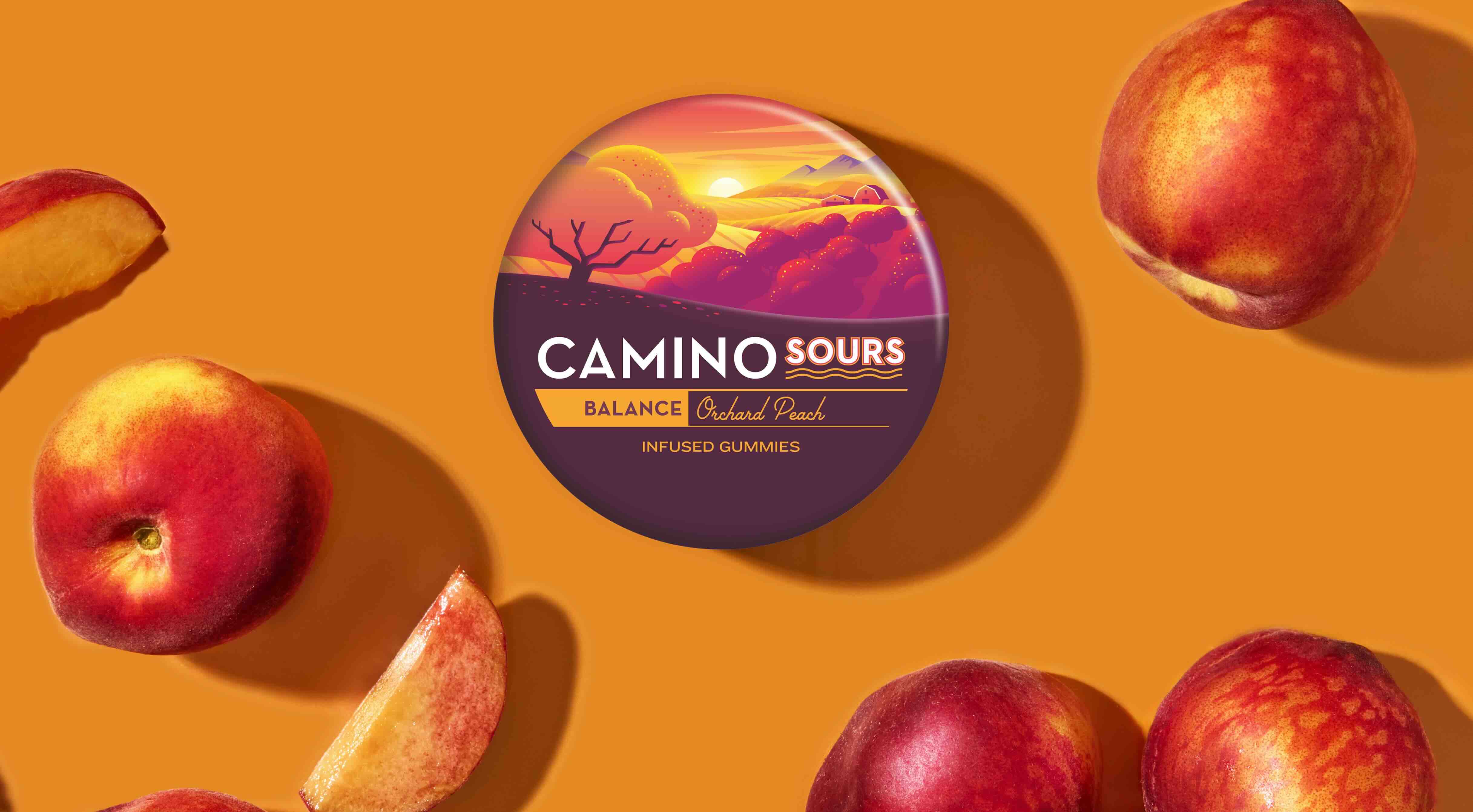 Camino's hemp-derived gummies naturally support balance and recovery without disrupting your routine, so you can enjoy reliable, consistent dosing without guesswork or habit-forming ingredients. Flavors like sparkling pear for social events and tropical-burst for recovery deliver a sophisticated, elevated taste experience — and orchard peach for balance offers everyday support for managing stress while staying clear-headed and elevated.
Learn more → |

Speaking of wallaby, it's a native wild marsupial that can prevent native bush regeneration, deplete understories, cause soil erosion, and eat pasture meant for farmstock, according to the Gisborne District Council. The owner of Bruny Island Game Meat, Richard Clark, sells it to hotels and restaurants as it's a "clean source of protein" and a low-fat option for meat eaters — just don't overcook it.
Until recently, Australians ignored using water buffalo for sustenance despite the animal producing the second-most-consumed milk globally behind cow milk, according to MedicineNet.
That's where Elena and Andrei Swegen of Burraduc Buffalo Dairy come in. While never removing calves from mothers before weaning is complete, the couple humanely makes buffalo-milk feta, yogurt, mozzarella, curd cheese, and cottage cheese from milk rich in vitamins such as A, C, and B12, potassium, and calcium.
Cooking with invasive species is uncharted territory that fosters both professional innovation and eco-friendliness. One London chef has turned Japanese knotweed — dubbed the "U.K.'s most damaging plant" — into gourmet meals. Oregon even has an annual event for chefs to show off their invasive-based cooking.
TCD Picks » Upway Spotlight
💡Upway makes it easy to find discounts of up to 60% on premium e-bike brands





|
Which sustainable cooking change are you most interested in trying?
Click your choice to see results and speak your mind. |
 Reducing my food waste 🗑️
 Uncontrolled invasiveness can destroy vegetative habitats, putting species like pollinators at risk. A healthy predator-prey balance prevents herbivore overgrazing and carnivore starvation. This biodiversity acts as carbon sponges that prevent the climate from overheating and making more places unbearable to live.

Join our free newsletter for easy tips to save more and waste less, and don't miss this cool list of easy ways to help yourself while helping the planet.
Cool Picks




