


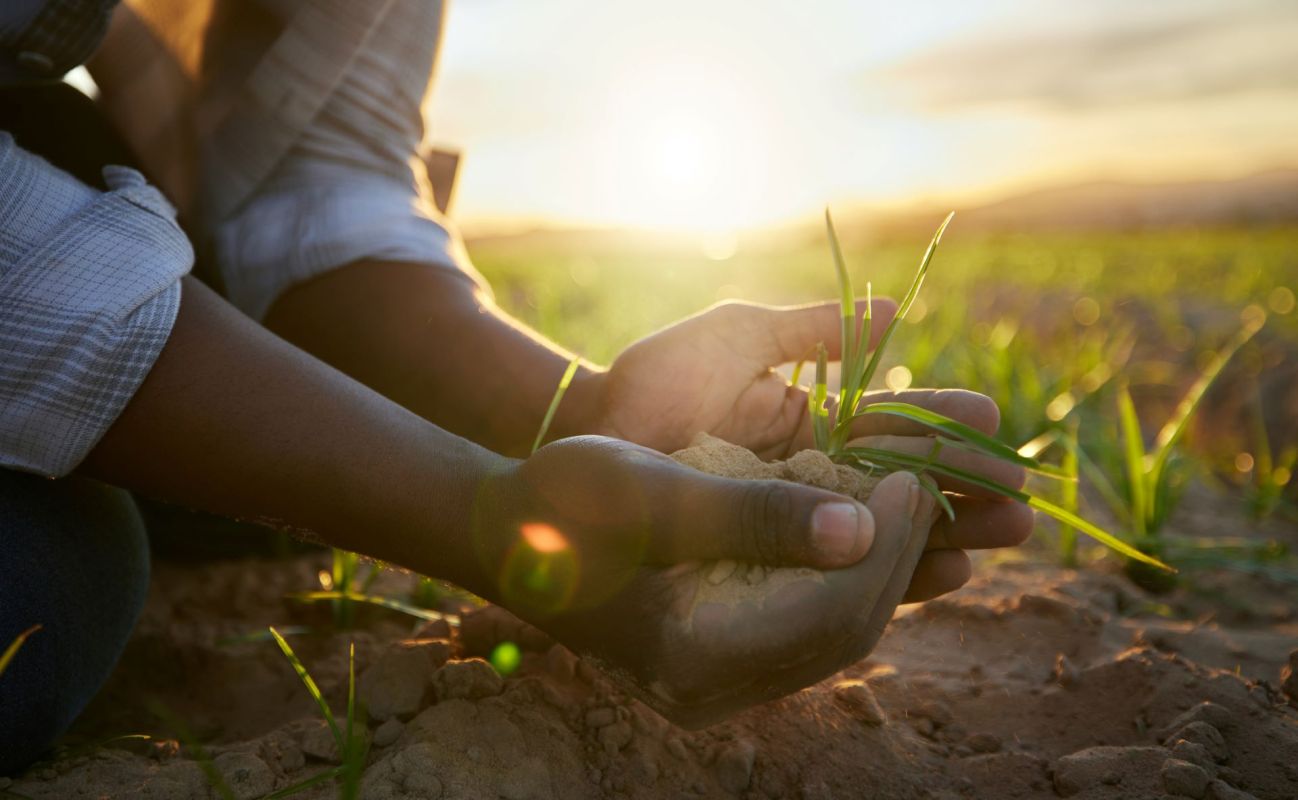
Parts of Africa have experienced severe droughts over the past decade, hampering the growth of maize, a staple crop across the continent.
What's happening?
According to CNN, corn is the dominant crop in Africa, where it grows on roughly 100 million acres and feeds millions of people.
The African Development Bank Group reported that in some regions, the grain provides over half of the calories and protein consumed in eastern and southern Africa.
As important as corn is to food security, nutrition, and livelihoods for African communities, it is at serious risk due to rising global temperatures, which have worsened droughts across the continent.
Unfortunately, corn is a high-moisture crop that requires significant, consistent water to grow successfully, but with most African farmers using rain-fed systems, that's not nearly enough to meet demand.
That's why Africa imports roughly $50 billion of food, mostly cereal crops, each year, according to CNN. However, supply chain disruptions and geopolitical tensions over the past few years have led to inconsistent shipments and pricing.
"We've seen a lot of volatility when it comes to price shocks caused by climate change, the lack of a structured market, and demand versus supply," Wawira Njiru, a Kenyan native who launched Food4Education, a nonprofit that provides affordable, nutritious food for children in need, told CNN.
"In other parts of the world, shocks happen, but you don't see as much adverse effects."
Why are the droughts in Africa concerning?
CNN reported that Africa produces the least maize globally at just over 2 tons per 2.5 acres, while the United States yields roughly five times more on the same amount of land.
African farmers already struggle to make ends meet with little rainfall, and poor harvests mean less money coming in and fewer shipments going to food suppliers.
TCD Picks » Quince Spotlight
💡These best-sellers from Quince deliver affordable, sustainable luxury for all




|
What is the biggest reason you don't grow food at home? Click your choice to see results and speak your mind. |
 Not enough time ⏳
 While most of South Africa's corn exports go to neighboring countries, some are also shipped to Asian markets such as China, Vietnam, and South Korea, according to the Observatory of Economic Complexity.
Widespread crop failures are likely to lead to higher corn prices in these countries, affecting consumers' budgets.
Erratic weather caused by the changing climate is impacting corn crops elsewhere, including in Hungary, China, and Colombia.
In the latter country, indigenous communities are turning to more heat- and drought-resistant crops and creating seed banks for food security, and Africa is also using some of these strategies to bolster resilience.
What's being done to help?
As CNN reported, some organizations are working with African communities to teach them about regenerative agriculture methods, which aim to restore degraded soils by working with nature.
The Consultative Group on International Agricultural Research, a network of research centers committed to a food-secure future, has been growing heat-tolerant maize varieties for the last 15 years and has so far distributed over 150 strains to seed companies. In 2024, this helped around 60 million people.
Meanwhile, the Kenyan government announced it would add sorghum, millet, pigeon peas, and mung beans to the National Grain Reserve, which will greatly help with Africa's food security.
While the issue of drought in Africa might seem far away for some, there are still ways to do your part.
For example, switching to energy-efficient appliances can reduce power usage and ease strain on an energy grid that typically relies on burning fuels.
This can slow the production of planet-warming pollution, a major driver of increasing droughts, heat waves, and temperatures.
Even something as simple as washing clothes in cold water or turning off lights when you're not in the room can help conserve energy, and, therefore, contribute to a healthier planet.

💰Get TCD's free newsletters for easy tips to save more, waste less, and make smarter choices — and earn up to $5,000 toward clean upgrades in TCD's exclusive Rewards Club.
Cool Picks




