


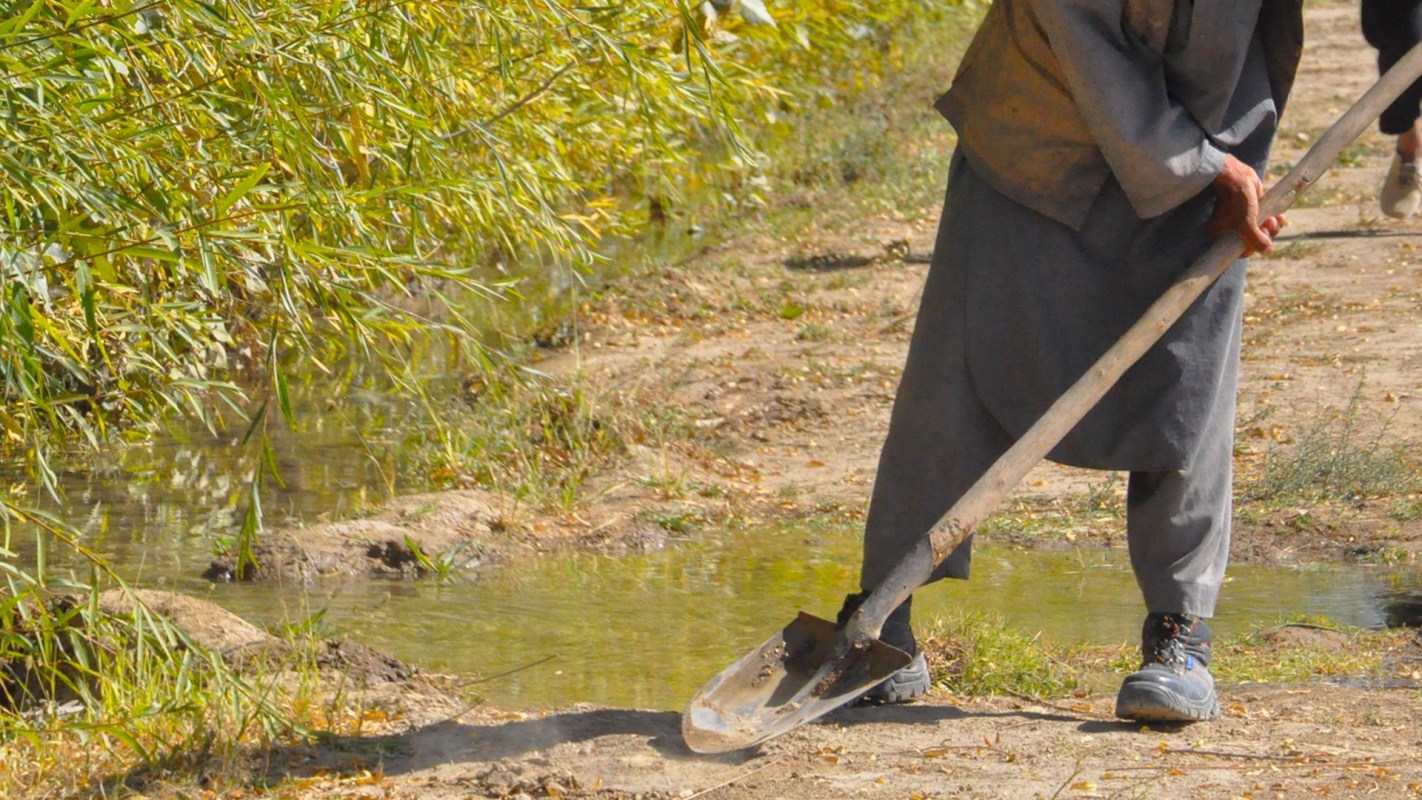
Farmers in Afghanistan are struggling with the local impacts of drought as the worsening crisis devastates key crops.
What's happening?
Pajhwok Afghan News reported that the climate is rapidly changing in Afghanistan, leading to droughts and other severe weather events, including heavy rainfall and flooding. For instance, farmers and orchard owners in Ghazni Province recently reported poor yields due to a drought this year, and they are asking the government to construct dams to address water shortages.
One source told the news site that the drought caused his apple orchard yields to plummet from 5,600 kilograms last year to just 2,100 kilograms this year. Many of the region's remaining crops were also plagued by disease.
"Crop yields and quality have declined due to the dry spell," another farmer named Zabiullah told Pajhwok. "In previous years, I sold seven kilograms of apples for 200 afghanis, but this year, the same quantity was sold for only 40 afghanis."
Why are changing weather patterns concerning?
More than 80% of Afghans rely on agriculture as their primary source of income, according to Pajhwok. But agricultural woes related to a warming planet are a global concern. In Bangladesh, extreme weather recently damaged vegetable fields, for instance. Meanwhile, Indian grape farmers projected a 50% decline in harvests this year due to adverse weather.
Poor harvests make it difficult for many farmers worldwide to stay afloat. At the same time, crop shortages cause price increases that are passed on to consumers. One example is the spike in olive oil prices over the last few years, which is linked to olive shortages caused by droughts and heat waves across the Mediterranean.
Perk up the winter blues with natural, hemp-derived gummies Camino's hemp-derived gummies naturally support balance and recovery without disrupting your routine, so you can enjoy reliable, consistent dosing without guesswork or habit-forming ingredients. Flavors like sparkling pear for social events and tropical-burst for recovery deliver a sophisticated, elevated taste experience — and orchard peach for balance offers everyday support for managing stress while staying clear-headed and elevated.
Learn more → |

What's being done about food security?
As the weather becomes more erratic across the globe, researchers are looking for ways to make crops more hardy. One answer is what some are dubbing "super potatoes," different varieties of these spuds that would be able to withstand different climatic conditions. Other researchers are looking into the development of drought-proof melons and heat-tolerant apples.
It's also important that we do what we can to try to slow the rise in global temperatures, which are driving many extreme weather patterns, droughts, and heat waves. One way we can help is by relying less on gas-guzzling vehicles. More planet-friendly options include walking when possible, riding a bike, taking public transportation, and driving an electric vehicle.
|
How did your garden turn out this year? Click your choice to see results and speak your mind. |
 Amazing 🤩
Get TCD's free newsletters for easy tips to save more, waste less, and make smarter choices — and earn up to $5,000 toward clean upgrades in TCD's exclusive Rewards Club.
Cool Picks




