


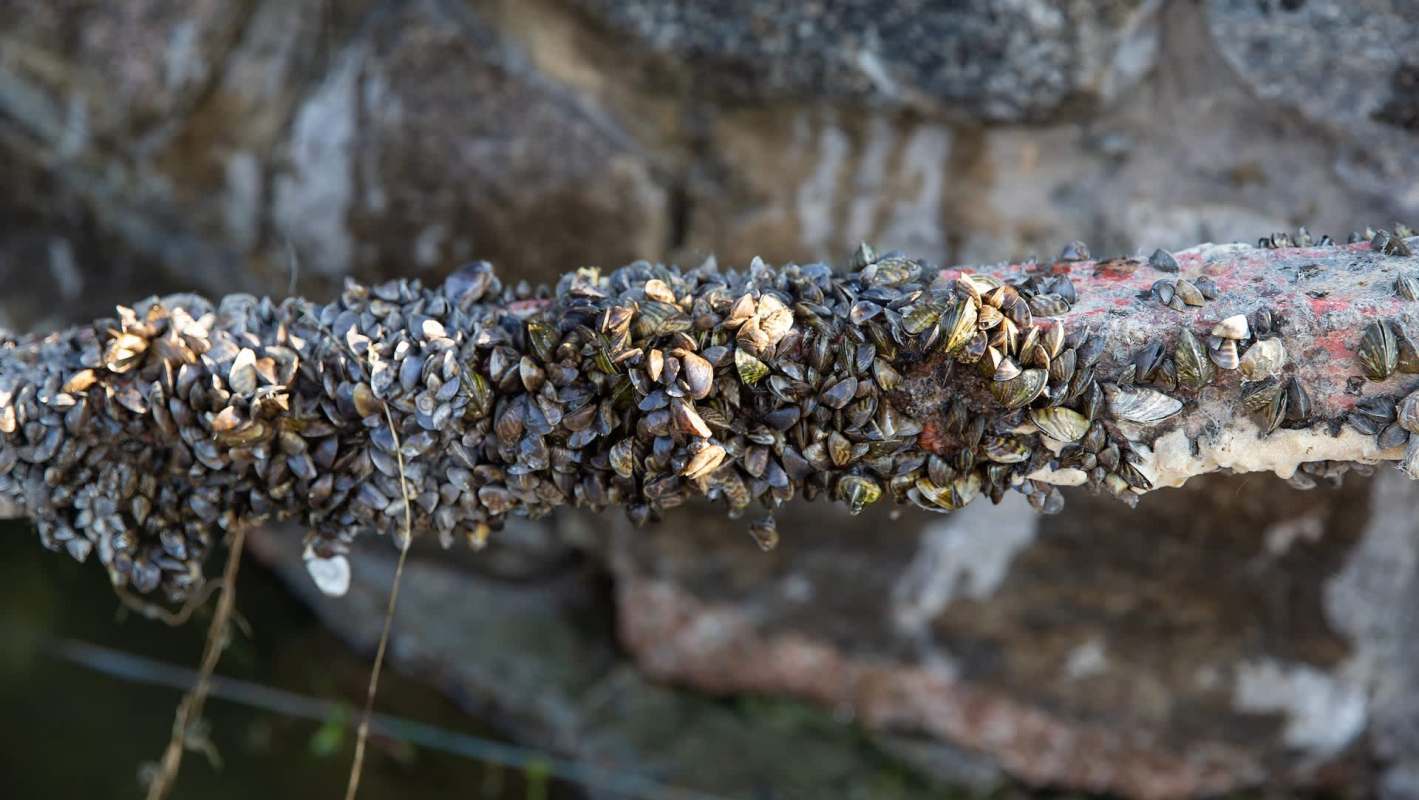
Minnesota boaters heading back onto the water this season are facing a familiar problem, but this year, a furry new line of defense is helping stop it in its tracks.
A trained detection dog with the Minnesota Department of Natural Resources is now helping officers spot zebra mussels before they can hitch a ride to another lake, CBS News reported.
As boating season ramps up across the state, officials are again warning about the spread of zebra mussels, a tiny invasive species that can cling to boats and trailers and move quickly from one body of water to the next.
The Minnesota DNR has identified infestations in more than 370 lakes and rivers statewide, making prevention especially urgent as more people launch pontoons, fishing boats, and other watercraft for the summer.
One of the state's newest tools is K-9 Molly, a detection dog that began training in March to recognize odors from invasive species, including zebra mussels.
On Saturday, Minnesota DNR Conservation Officer Matt Brodin said Molly flagged a pontoon before it entered the St. Croix River, leading officers to find zebra mussels.
TCD Picks » Quince Spotlight
💡These best-sellers from Quince deliver affordable, sustainable luxury for all




Zebra mussels may be small, but they can cause outsized damage. Experts say they crowd out native species, disrupt aquatic ecosystems, clog pipes, damage boats, and can even create hazards for swimmers.
Once zebra mussels become established, they are notoriously difficult to remove, which is why early detection and prevention remain so important.
To combat the spread, the DNR is deploying Molly to help officers inspect boats before they enter the water. Because detection dogs can pick up scents humans might miss, they provide an extra layer of protection at launches.
Officials say dogs and officers cannot do it alone. Brodin emphasized that boaters themselves are a critical part of slowing the spread from lake to lake.
"Zebra Mussels are everywhere in Minnesota and our main focus this year is to slow it down. Prevention is hard to do, but if we can slow it down and talk to boaters so they are not spread to other lakes, that is our primary focus," Brodin said.

Get TCD's free newsletters for easy tips, smart advice, and a chance to earn $5,000 toward home upgrades. To see more stories like this one, change your Google preferences here.







