


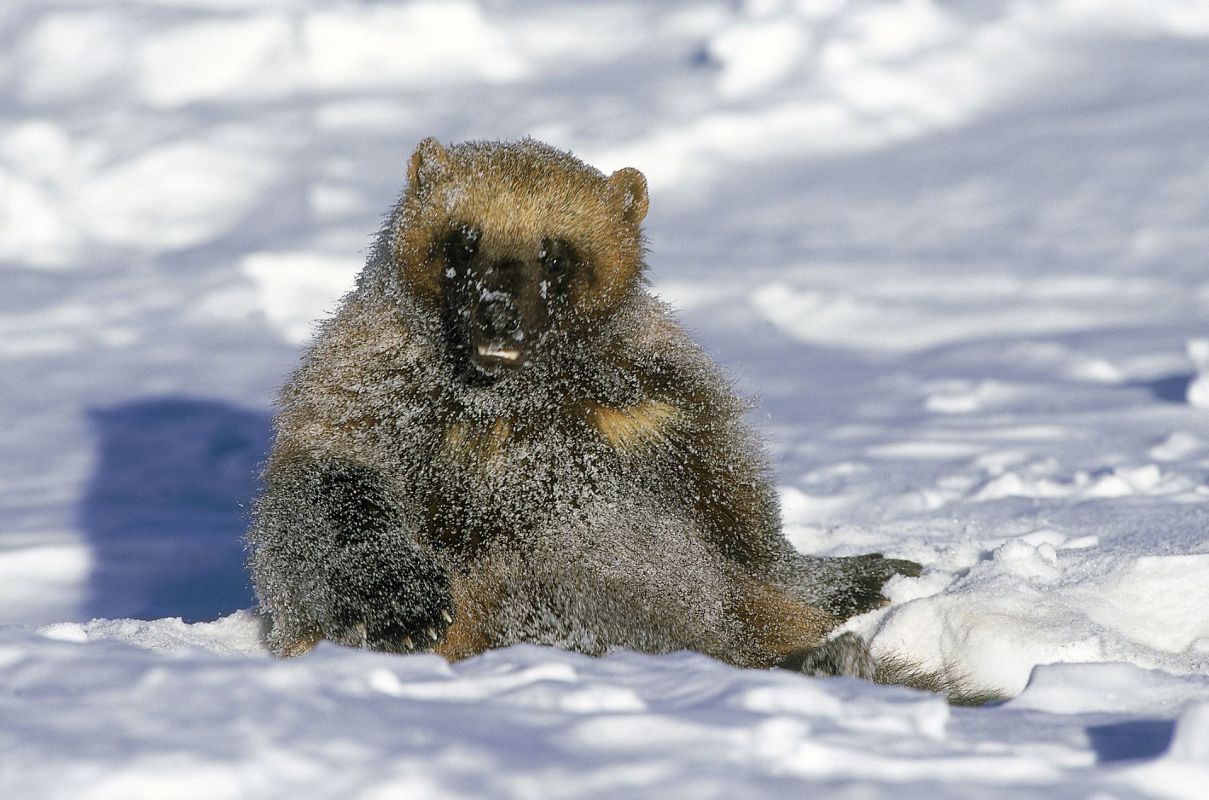
The Colorado Rockies may soon see wolverines roaming their slopes again after the Colorado Wildlife Commission approved a plan in January to reintroduce them to the state in the next three years.
Their return, which was authorized by Colorado lawmakers in 2024, will start with 45 wolverines, and it will be the first time in 100 years that they will be found in the state, the Sierra Club reported.
Conservation groups like Defenders of Wildlife have said that wolverines, which are part of the weasel family — not the wolf species, despite the similarity in name — may be released as early as 2027.
They thrived in Colorado's remote and snowy backcountry over a century ago. The Colorado Sun shared that they disappeared around the early 1900s due to trapping for their luxurious fur and poisoning campaigns against predators.
Three zones in Colorado's mountain ranges, some 10,000 feet above the ground, will serve as the wolverines' new home, according to the Colorado Parks and Wildlife. They're elusive by nature and rarely target cattle, although they are carnivores.
State officials, through CPW, are working to establish a compensation program for ranchers and farmers in the event of livestock losses.
Conservation advocates hailed these latest moves to restore wolverine populations, currently listed as a state-endangered species. The state provided a suitable habitat for them, and lawmakers noted that reintroducing wolverines would strengthen Colorado's wildlife diversity, per CPW.
Kaitie Schneider, DOW's Rockies and Plains representative, said that the meeting announcing the plan was a rare moment of unity.
"That's just really cool to see," she told Sierra Club. "There were hunters in the room, there were ranchers in the room, and there was nobody there speaking in opposition for this reintroduction."
According to the Denver Post, wolverines clean up carcasses left by other predators, reducing the spread of diseases. As their presence helps build the area's biodiversity resilience, the local ecosystem can better withstand stressors caused by weather changes. Thriving natural environments help support clean water, fertile soil, and other natural resources essential to local communities.
TCD Picks » Quince Spotlight
💡These best-sellers from Quince deliver affordable, sustainable luxury for all




|
Which of these savings plans for rooftop solar panels would be most appealing for you?
Click your choice to see results and speak your mind. |
 Save $1,000 this year 💸
 Biologists predict that Colorado's high country can retain snowpack better than low-lying habitats, such as parts of Montana.
The effort follows the successful reintroduction of lynxes to the state and mirrors similar initiatives happening nationwide. Other examples involve cougars in Oregon and grizzly bears in Washington. These programs show how supporting local conservation efforts can help species thrive.
In 2024, Denver Zoo conservation officials expressed anticipation for the wolverine's return to Colorado.
Stefan Ekernas, its field conservation director, told CBS News: "Humans can be the problem, but we can also be the solution. This is a space where we can help bring the species back that ought to be in Colorado."

Get TCD's free newsletters for easy tips to save more, waste less, and make smarter choices — and earn up to $5,000 toward clean upgrades in TCD's exclusive Rewards Club.
Cool Picks






