


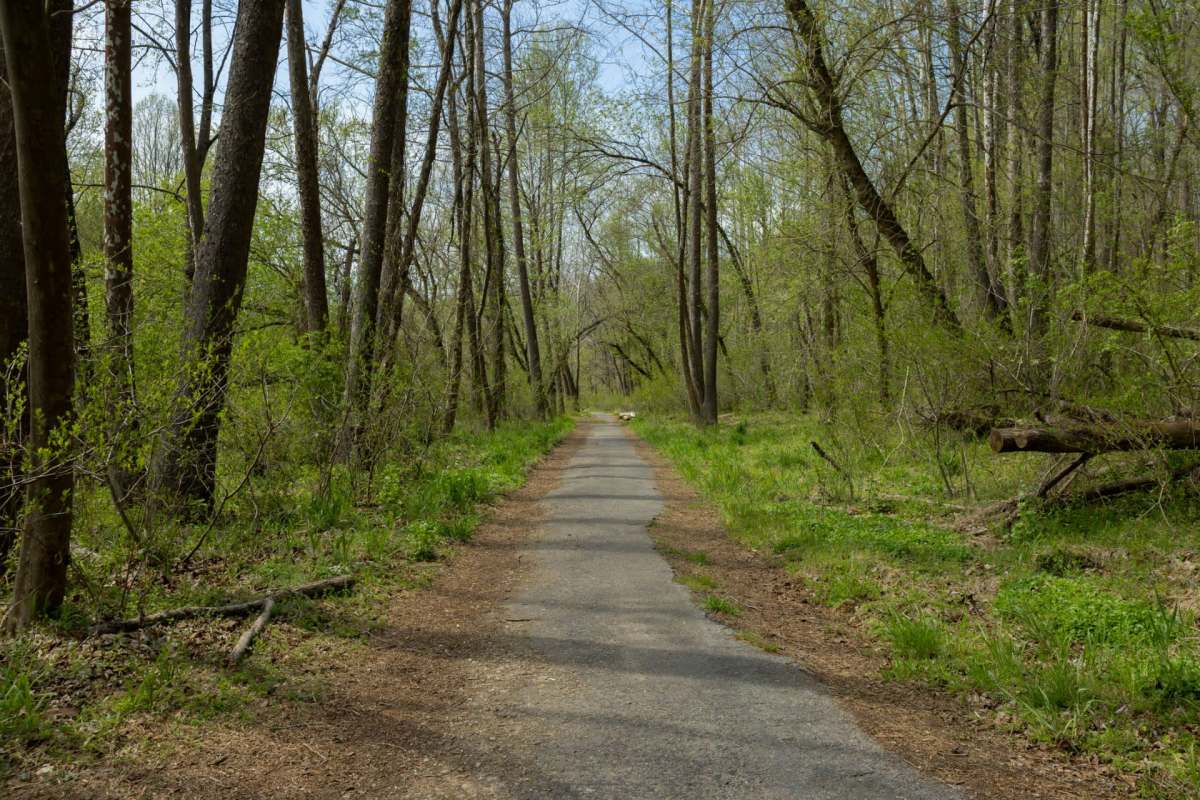
Experts in Maryland are warning residents to be on the lookout for invasive winter creeper.
According to Forest Hills Connection, the state's Department of Agriculture designated winter creeper as a Tier 1 invasive plant in 2018, prohibiting its sale, transport, or propagation as it can kill small trees and restrict the growth of native plants.
Winter is a perfect time to remove this plant from wherever you find it, since it tends not to produce new seeds or growth during this time.
Ana Chuquin, a National Park Service botanist, explained to the Forest Hills Connection what to do with the plant: "Dig it up and dispose of it."
While finding and eliminating winter creeper in parks or in neighborhoods is extremely beneficial to all, destroying any of this invasive plant found in one's own yard is vital, too. Winter creeper can take over a yard quickly, killing off everything else growing, and may eventually spread to sheds and other small buildings if left unchecked, causing headaches for homeowners.
One simple way to help stop the spread of this invasive species is by planting native species. Native plants help hold invasive ones back while also offering plenty of other benefits to homeowners.
Perk up the winter blues with natural, hemp-derived gummies Camino's hemp-derived gummies naturally support balance and recovery without disrupting your routine, so you can enjoy reliable, consistent dosing without guesswork or habit-forming ingredients. Flavors like sparkling pear for social events and tropical-burst for recovery deliver a sophisticated, elevated taste experience — and orchard peach for balance offers everyday support for managing stress while staying clear-headed and elevated.
Learn more → |

Perhaps the most obvious benefit is the time and money that native species save homeowners. These plants need little to no maintenance, which results in less time spent on yard work, and require little water, which can reduce water bills.
Native plants provide less obvious perks as well.
Some native species have deep roots that help prevent soil erosion, while others, like the plants used in one New Jersey town's rain garden, help limit water runoff. Because of their hardiness, these plants can hold up to extreme weather; the city of San Antonio offered homeowners incentives to replace grass lawns with long-lasting, drought-tolerant plants to conserve water.
Best of all, native species attract pollinators. According to the National Park Service, pollinators are responsible for one out of every three bites of food people eat each day, making them vital to protecting human food supplies.
TCD Picks » Upway Spotlight
💡Upway makes it easy to find discounts of up to 60% on premium e-bike brands





|
What's the hardest thing about taking care of your yard? Click your choice to see results and speak your mind. |
 Mowing the lawn 🏡
 If a total rewilding of your lawn isn't feasible, simply planting clover, buffalo grass, or a few plants native to your area in a corner of the yard will prove rewarding.
Between ridding an area of winter creeper and planting native plants in their place, homeowners will notice a world of difference in the beauty and liveliness of their lawns.

Get TCD's free newsletters for easy tips to save more, waste less, and make smarter choices — and earn up to $5,000 toward clean upgrades in TCD's exclusive Rewards Club.
Cool Picks






