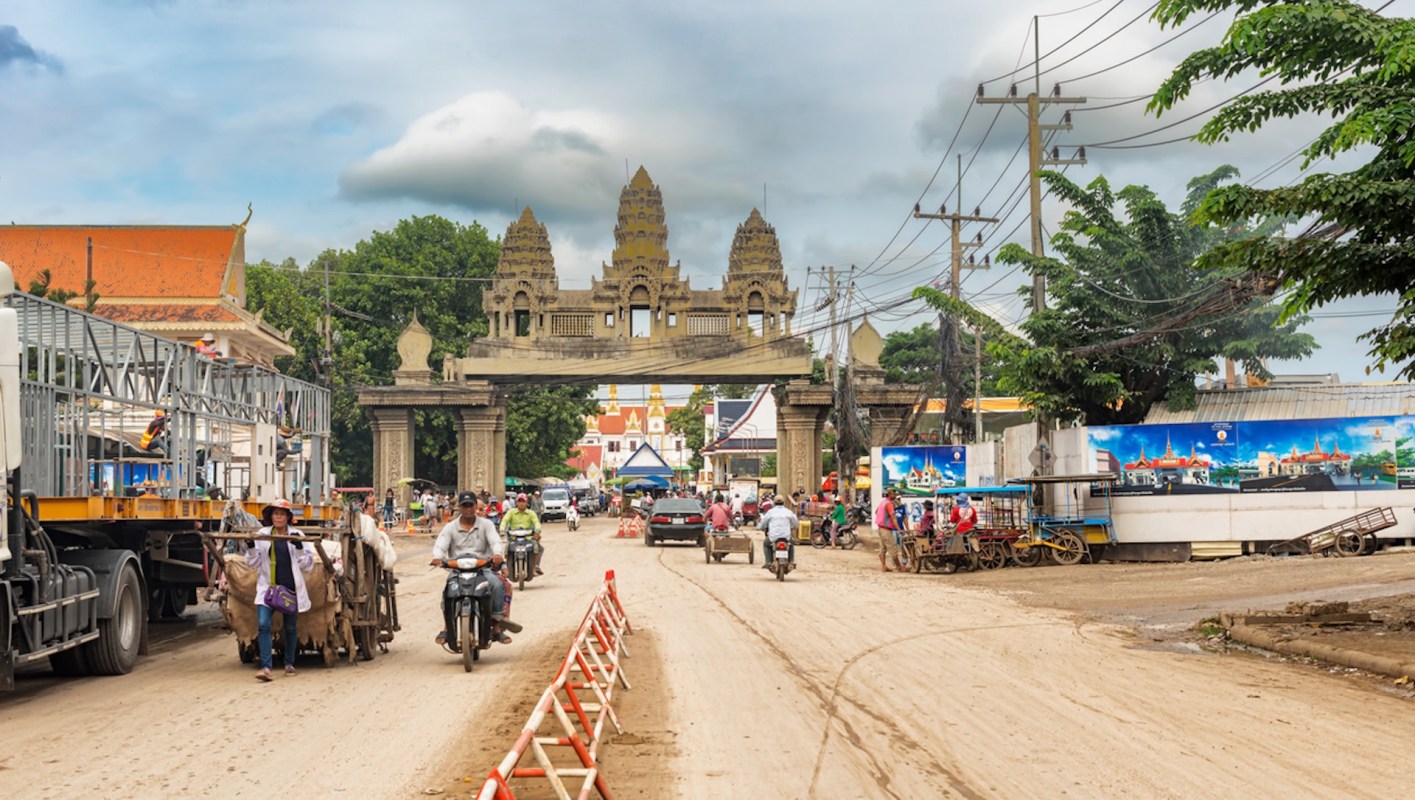
Two men were arrested in Thailand on suspected charges of wildlife smuggling when Thai officials found meth and 81 monkeys in a car near Cambodia, according to CBS News.
What's happening?
Thai police caught two men suspiciously unloading cargo from a vehicle on Friday, November 14, in the Aranyaprathet district of Sa Kaeo province in Thailand. After a car chase, police stopped the vehicle and found 81 macaques stuffed in blue duffel bags. They also found methamphetamine pills and crystal meth.
"At 3:20 pm, authorities arrested the two suspects and inspected their vehicle," the 12th Ranger Forces Regiment of the Thai police said.
According to CBS, the men admitted to their involvement in the international wildlife smuggling ring, attempting to smuggle the monkeys into Cambodia.
Why is wildlife smuggling concerning?
Each year, illegal wildlife trafficking affects nearly 4,000 plant and animal species and is estimated to be worth as much as $10 billion.
"High profit margins, low risk of detection, low rates of conviction, low-level penalties, and official collusion and corruption mean that wildlife crime continues to be an attractive prospect for poachers and the criminal networks behind them," said Will Travers, president of wildlife conservation group Born Free.
Perk up the winter blues with natural, hemp-derived gummies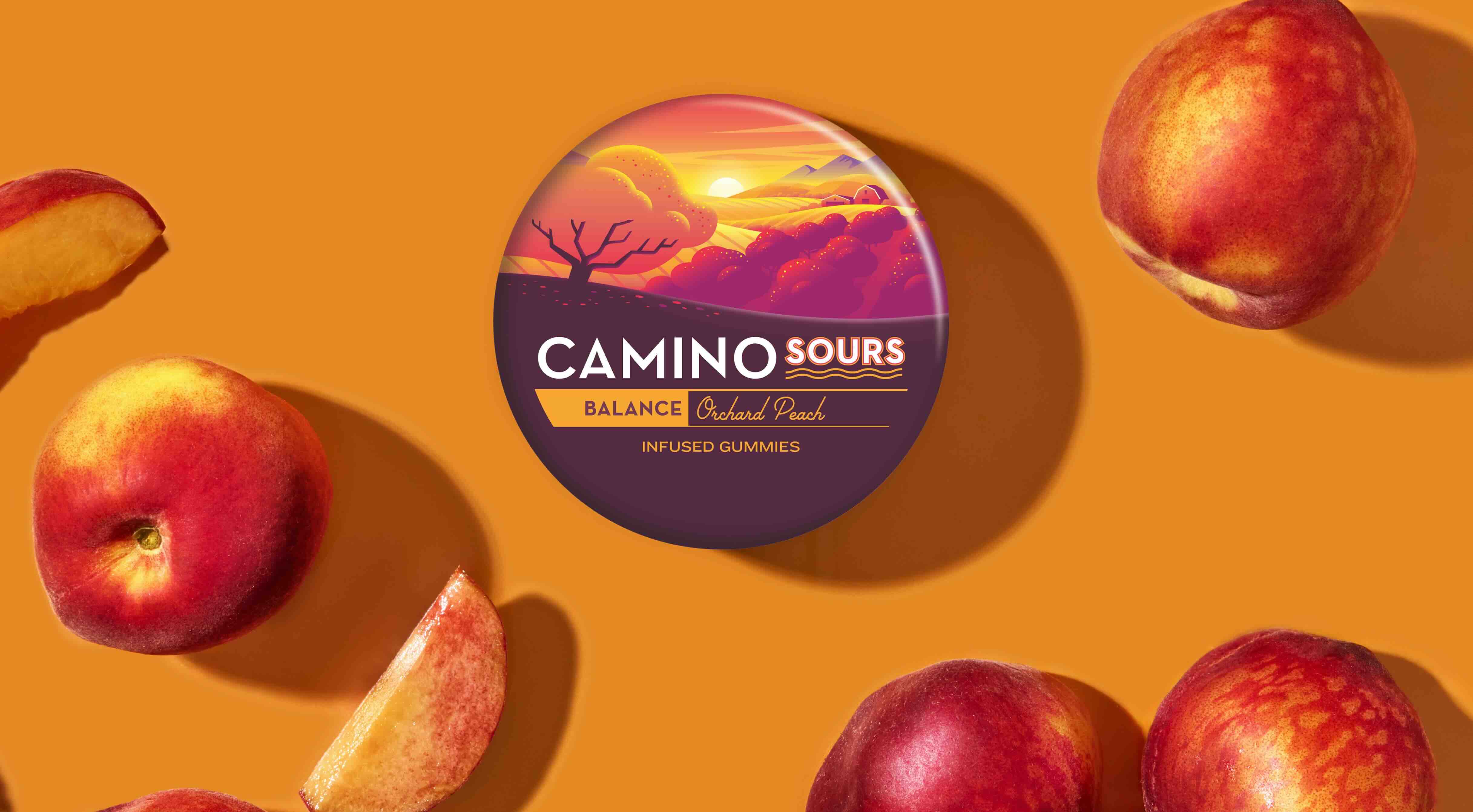 Camino's hemp-derived gummies naturally support balance and recovery without disrupting your routine, so you can enjoy reliable, consistent dosing without guesswork or habit-forming ingredients. Flavors like sparkling pear for social events and tropical-burst for recovery deliver a sophisticated, elevated taste experience — and orchard peach for balance offers everyday support for managing stress while staying clear-headed and elevated.
Learn more → |

Thailand is frequently at the heart of illegal wildlife smuggling because it is home to 10% of the world's animals, with many diverse species. Authorities have caught many animals being smuggled out of Thailand, from baby anacondas and tortoises to gibbons and orangutans.
Many macaques are labeled as vulnerable by the International Union for Conservation of Nature (IUCN), including long-tailed macaques — a common biomedical research subject — which is listed as endangered.
Wildlife trafficking is "the largest direct threat to the future of many of the world's most threatened species," according to the World Wildlife Fund (WWF). It pulls animals out of ecosystems, upsetting balances and the food chain. It can also lead to the introduction of invasive species into new areas, increasing the risk of new pathogens and reducing food for native species.
What's being done about illegal wildlife smuggling?
A 2024 report from the World Economic Forum says 164 Member States of the United Nations criminalize wildlife trafficking to some extent. There is some optimism, as illegal wildlife trade decreased by 10% in 2021. However, much work needs to be done.
TCD Picks » Upway Spotlight
💡Upway makes it easy to find discounts of up to 60% on premium e-bike brands



|
Should companies be required to help recycle their own products?
Click your choice to see results and speak your mind. |
 Definitely 👍
 Conservation groups, such as the WWF and the U.S. Fish and Wildlife Service, work with local groups to increase enforcement and reduce worldwide demand for illegal goods.
Large arrests and rescues show the power of groups like these in curbing illegal wildlife smuggling. In Madagascar, over 24,000 tortoises were saved by the Turtle Survival Alliance. Earlier this year, nearly 20,000 animals were rescued in the largest-ever wildlife operation.
On the individual level, you can help make a difference in the global illegal wildlife trade by buying sustainably sourced products and ensuring you are buying pets from respected and trustworthy sources.

Get TCD's free newsletters for easy tips to save more, waste less, and make smarter choices — and earn up to $5,000 toward clean upgrades in TCD's exclusive Rewards Club.
Cool Picks