


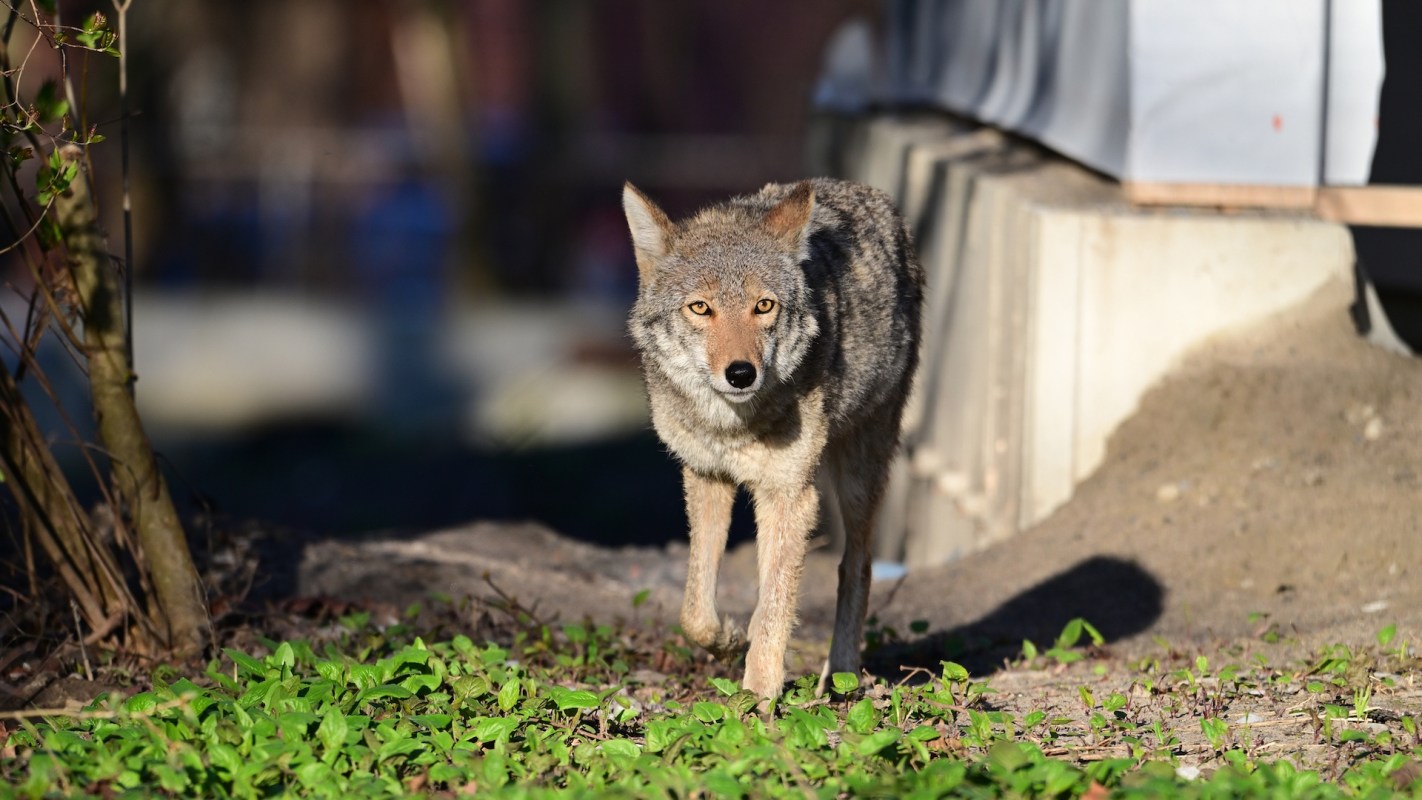
As Arizona's monsoon season rolls on and high temperatures persist, residents in some neighborhoods might spot more wildlife making its way through nearby streets and yards.
Coyotes and bobcats are the animals people most often see in areas near open desert and wash corridors. Mountain lion sightings are much less common, though officials say it's still important to know what to do if one shows up.
What's happening?
The City of Maricopa says residents should stay alert because seasonal changes and ongoing heat can push wildlife to roam in search of food, water, and new territory, according to Signals AZ.
City officials said that pattern is typical for this time of year. Near the edges of desert habitat, coyotes and bobcats may only be passing through neighborhoods, and some younger animals may simply be wandering into unfamiliar areas.
Although these encounters are usually short and generally not dangerous to people or pets, the city said residents should avoid doing anything that could make the situation worse, especially when a larger predator is involved.
That includes not running, not approaching for a closer look, and not trying to snap a photo when it's nearby. Instead, residents are advised to stay calm, make themselves appear larger, maintain eye contact, and slowly back away.
TCD Picks » Quince Spotlight
💡These best-sellers from Quince deliver affordable, sustainable luxury for all




Why does it matter?
Wildlife sightings reflect the overlap between neighborhoods and desert habitat. As communities expand into areas that were once more remote, animals are left navigating roads, yards, and drainage routes that run through their natural range.
Pet food or water left outside, unsecured trash, overgrown landscaping, and unprotected backyard animals can all attract wildlife — and in some cases, the predators that follow smaller prey.
Once wildlife begins associating homes with easy food sources, conflict can increase, raising the risk of injury, death, and the need for relocation. During extremely high temperatures, pressure on animals to find resources can increase.
Wild animals are more active and harder to spot at dawn, dusk, and at night.
What can I do?
According to Signals AZ, the city said prevention begins with removing the things that attract wildlife in the first place. Residents are encouraged to bring pet food indoors, secure trash in wildlife-resistant containers, trim dense bushes and shrubs, and install motion-sensor lights to make yards less appealing.
Protecting pets is another crucial step. Dogs and cats should be kept indoors or on a leash, especially during lower-light hours. Residents with chickens or small livestock are advised to use secure fencing with overhead protection.
Parents are also encouraged to talk with children about staying away from wild animals and immediately telling an adult they trust if they see one.
Anyone dealing with wildlife that is acting aggressively toward people should call the Arizona Game and Fish Department's 24-hour hotline at 623-236-7201, Signals AZ reported. If a wild animal attacks or bites a person, call 911 right away and get medical care as soon as possible. For non-emergency neighborhood concerns, residents can use the Maricopa Police Department's non-emergency number, 520-568-3673.
Officials said residents should stay calm, give animals space, and avoid leaving out food either intentionally or by accident that could lure wild animals closer to residential areas.

Get TCD's free newsletters for easy tips, smart advice, and a chance to earn $5,000 toward home upgrades. To see more stories like this one, change your Google preferences here.







