


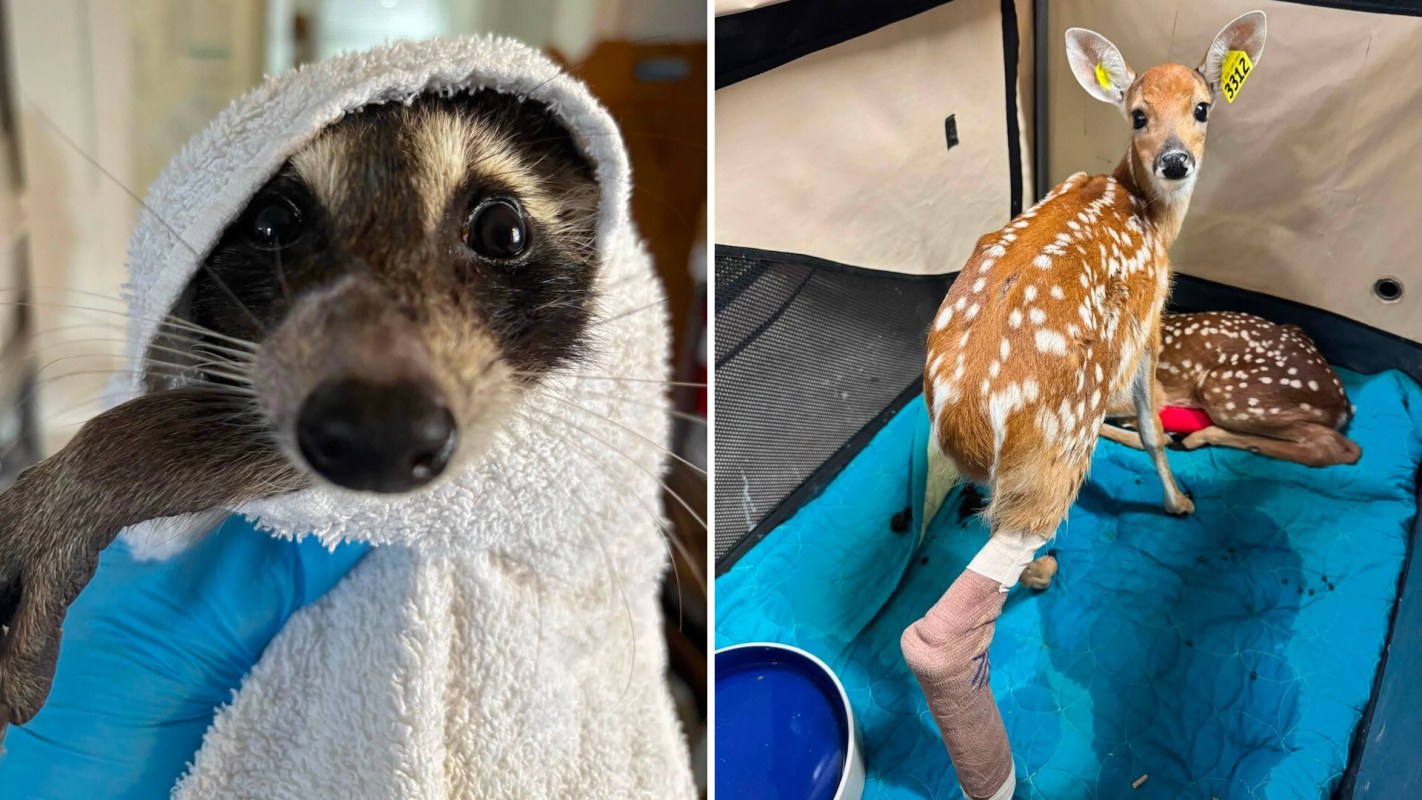
Last week's flash flooding and heavy rain in Central Texas did more than swamp roads and neighborhoods — they also left hundreds of wild animals injured, stranded, or separated from their families.
What happened?
In the week after the storms, Austin Wildlife Rescue's intake rose to more than 270 animals, according to KXAN — far above its normal rate of roughly 30 animals a day.
Executive director Jules Maron said the storms arrived at an especially difficult moment in the season.
"The timing is unfortunate," Maron said. "Spring babies are trying to get ready to leave the nest. We have our very young summer babies as well."
The rescue has been receiving a wide mix of flood-affected animals, including squirrels knocked from trees, songbirds, rabbits, skunks, raccoons, and turtles carried off by the water.
"You know it's bad when turtles are even getting washed out," Maron added.
TCD Picks » Quince Spotlight
💡These best-sellers from Quince deliver affordable, sustainable luxury for all




The organization treated a fawn after it became tangled in wire fencing while trying to cross a flooded river. Maron said the animal is doing "surprisingly well," though she noted that fawns are among the most expensive animals to rehabilitate.
Why does it matter?
Storms like these can be devastating for wildlife, especially during baby season, when young animals still depend on nests, dens, and their mothers for safety. Heavy rain, floodwaters, and thunder can quickly turn that fragile stage into a life-or-death emergency.
Austin Wildlife Rescue described the danger in a Facebook post about young deer: "Frightened by thunder, heavy rain, and the chaos of the storm, they can panic and become separated from their mothers."
Beyond the immediate rescue response, displaced wildlife can affect the balance of local ecosystems, particularly when young animals do not survive or cannot return to their habitats. Community-based wildlife centers play an important role in helping preserve that balance while also reducing suffering for injured animals.
What's being done?
To cope with the spike in cases, Austin Wildlife Rescue is dividing the work between two locations. Animals are first evaluated at the group's intake center and then transported each night to a rehabilitation facility.
Even before the flooding, the Elgin rehab center was packed for peak season, with about 1,800 to 2,000 animals already there, according to KXAN. Despite that, staff is continuing to make room for animals displaced by the storm.
"Space is tight, but we're making it work," Maron said.
Because the nonprofit is funded entirely through donations, outside support is critical to maintaining the response. Along with monetary contributions, the rescue is asking for basic supplies such as towels, laundry detergent, and bleach.
"When the storm stops, that's really when our work begins," Maron said.

Get TCD's free newsletters for easy tips, smart advice, and a chance to earn $5,000 toward home upgrades. To see more stories like this one, change your Google preferences here.







