


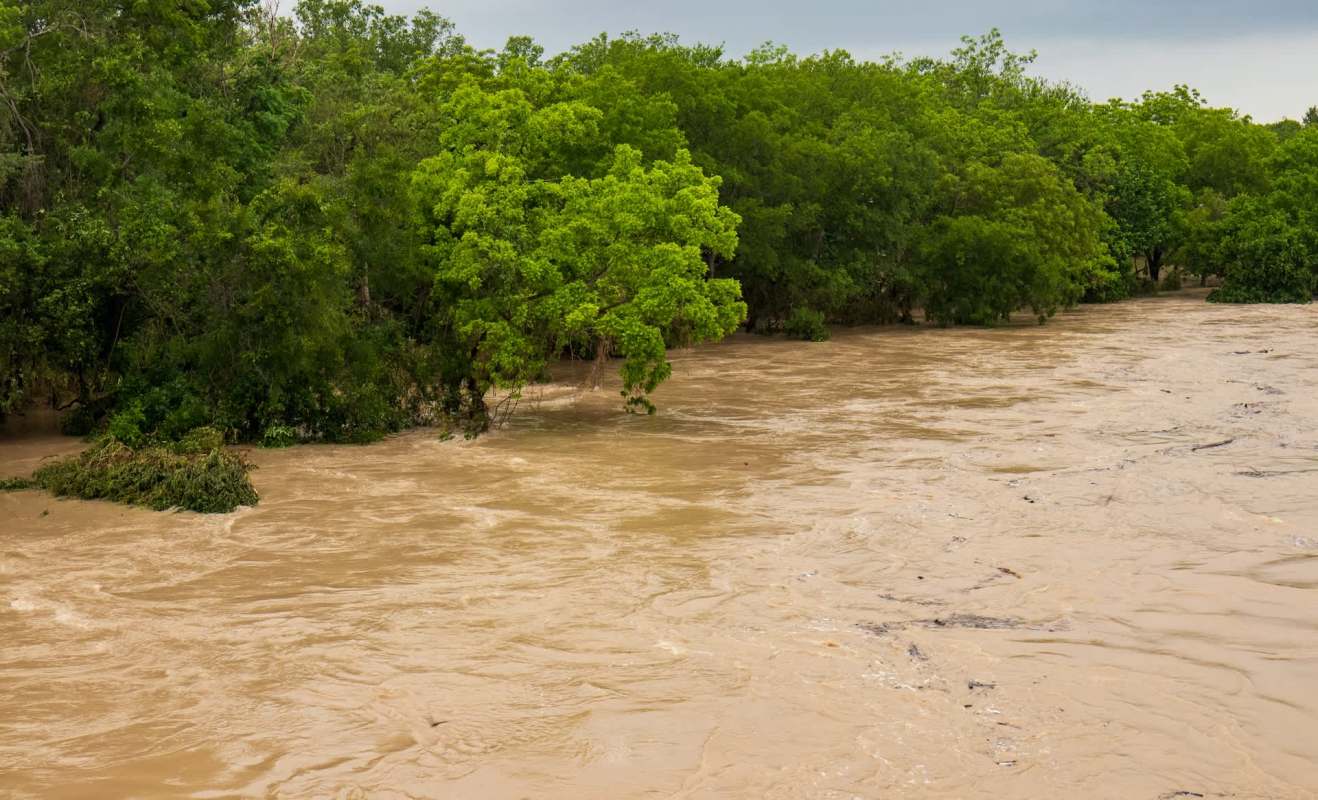
Days of flooding in parts of Texas last week forced evacuations, led to hundreds of rescues, and left at least two people dead.
By Friday morning, the danger was easing unevenly: some of the hardest-hit communities were seeing water recede, while other areas were still under a flash flood emergency.
What happened?
After the storms began on Tuesday, July 14, parts of the Texas Hill Country and areas west of San Antonio received about 24 inches of rain.
According to KSAT, the National Weather Service issued a flash flood emergency early Friday, July 17, for Sonora, a Sutton County city about 170 miles northwest of San Antonio.
With heavy rain still falling, officials told people in low-lying areas near the Dry Devils River to evacuate. The sheriff's office in Sonora carried out one boat rescue, and several nearby counties were also placed under flash flood warnings.
Gov. Greg Abbott said boats and helicopters were used to rescue more than 200 people, including drivers left stranded and residents trapped inside their homes.
TCD Picks » Quince Spotlight
💡These best-sellers from Quince deliver affordable, sustainable luxury for all




Authorities also said a driver near Uvalde died after being swept away by floodwaters.
The other reported victim was 65-year-old John Mark Steward of Kerrville, whose wife said his mobile home was carried into Goat Creek on the Guadalupe River.
The Guadalupe was also the river connected to last year's Camp Mystic disaster, where more than two dozen children and counselors were killed.
Why does it matter?
Flash flooding is among the fastest-moving and deadliest weather threats, capable of overwhelming roads, homes, and emergency services within minutes.
Heavy rain can damage homes, mobile housing, bridges, and utilities, while cleanup costs, lost wages, and rising insurance burdens can linger for months after floodwaters recede.
Moreover, the region is still recovering from last year's devastating floods.
When storms repeatedly hit the same area, communities often have less time and fewer resources to rebuild before the next emergency arrives.
Scientists have warned that a warming atmosphere increases the risk of heavier downpours because warmer air holds more moisture.
What's being done?
Emergency crews across the region have focused on immediate rescues, evacuations, and road safety as conditions continue to shift.
Boats and helicopters were deployed to reach stranded residents, while local officials continued urging people in vulnerable areas to move to higher ground.
As floodwaters abate in some places, the next phase is cleanup and damage assessment.
That often includes clearing debris, checking homes for structural damage, restoring utilities, and identifying roads, bridges, and drainage systems that need repairs before another round of storms arrives.
Repeated disasters like this often push communities to revisit floodplain planning, drainage upgrades, and emergency response systems. Those investments can help reduce harm in future storms, even if they cannot eliminate the risk entirely.

Get TCD's free newsletters for easy tips, smart advice, and a chance to earn $5,000 toward home upgrades. To see more stories like this one, change your Google preferences here.







