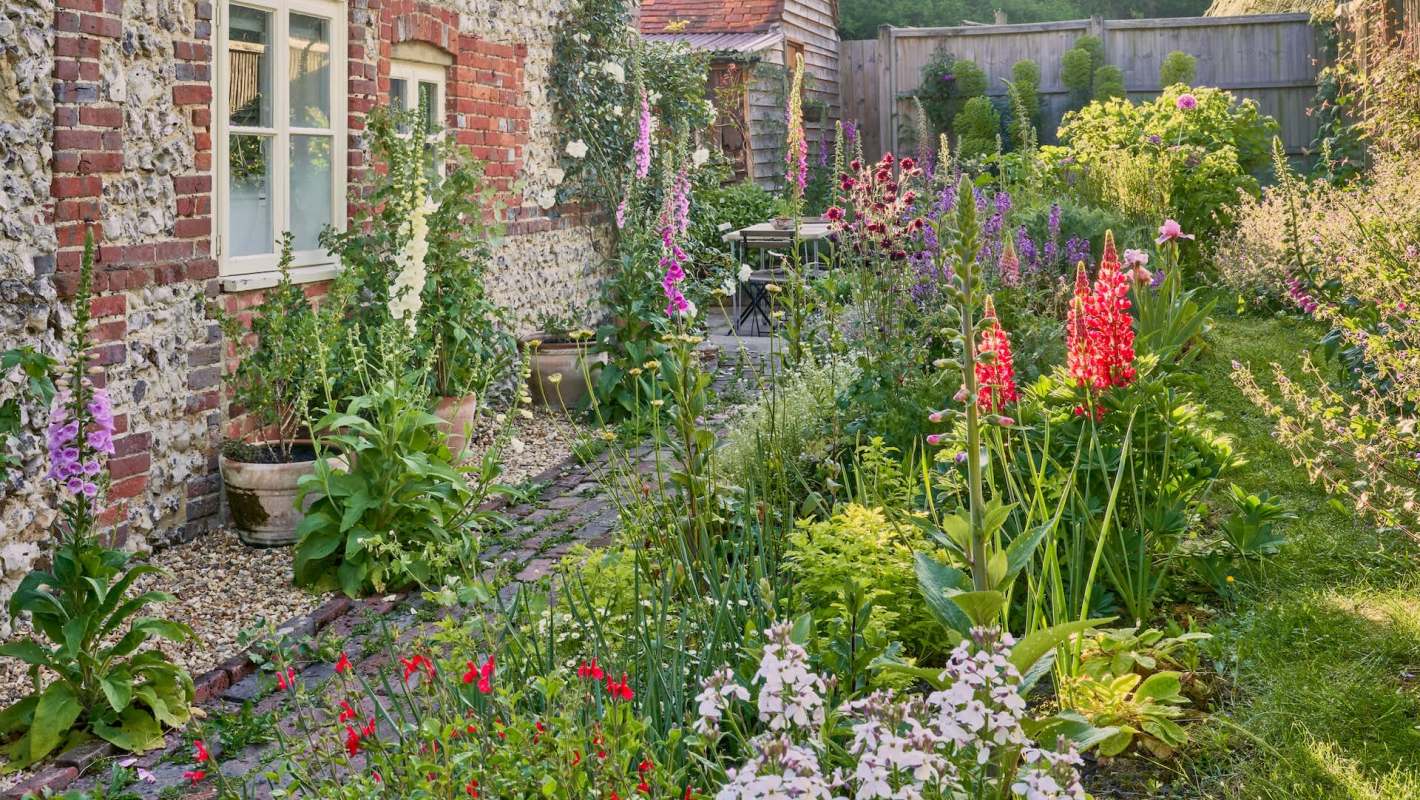
Britain's gardens, balconies, and even the smallest urban green spaces could become one of the country's most effective tools for bringing nature back.
According to a Country Life article cited by the rewilding group LettsSafari, U.K. gardens collectively cover more land than all of the nation's nature reserves combined. In other words, restoring biodiversity may not be something left only to farmers, conservation groups, or owners of large rural estates. Millions of ordinary households could help make a meaningful difference right from home.
That is especially encouraging for people living in towns and cities, where green space can feel scarce, and wildlife habitat is often fragmented. Even small changes to a courtyard, suburban yard, or balcony planter can create food, shelter, and safe corridors for wildlife.
One wildlife-friendly garden on its own may only support a small number of species. But when thousands of households make a few nature-friendly changes, those spaces can begin to function as a connected ecosystem stretching across neighborhoods and cities.
That could be a win for both people and the planet.
Healthier urban biodiversity can support pollination, strengthen local food webs, and make communities feel more vibrant with birdsong and plant life. For homeowners and renters, it also offers a practical, lower-pressure alternative to high-maintenance outdoor spaces centered on constant mowing, paving, and chemical treatments.
TCD Picks » Quince Spotlight
💡These best-sellers from Quince deliver affordable, sustainable luxury for all




Rather than aiming for a perfectly manicured yard, the rewilding approach encourages people to leave room for nature to return. In practice, that might mean letting part of a lawn grow longer, planting native flowers, putting out a shallow water source, cutting back on pesticides, or leaving a few "messy" areas with leaves, seed heads, or logs for wildlife.
The good news is that the changes do not need to be dramatic.
LettsSafari recommends a few easy ways to get started in smaller spaces, including mowing less often or leaving one patch of grass longer, adding nectar-rich plants that bloom at different times of year, and setting out a shallow dish of water with stones for insects.
It is also recommended to keep dead stems and leaf litter through winter.
Even for people without a yard, a window box or balcony planter can become an important stop for bees and butterflies. A small bird bath or container pond can also quickly attract wildlife in built-up areas, where clean, accessible water is often hard to find.
As LettsSafari put it, Britain's gardens "may be one of the country's most powerful tools for restoring nature."

Get TCD's free newsletters for easy tips, smart advice, and a chance to earn $5,000 toward home upgrades. To see more stories like this one, change your Google preferences here.