


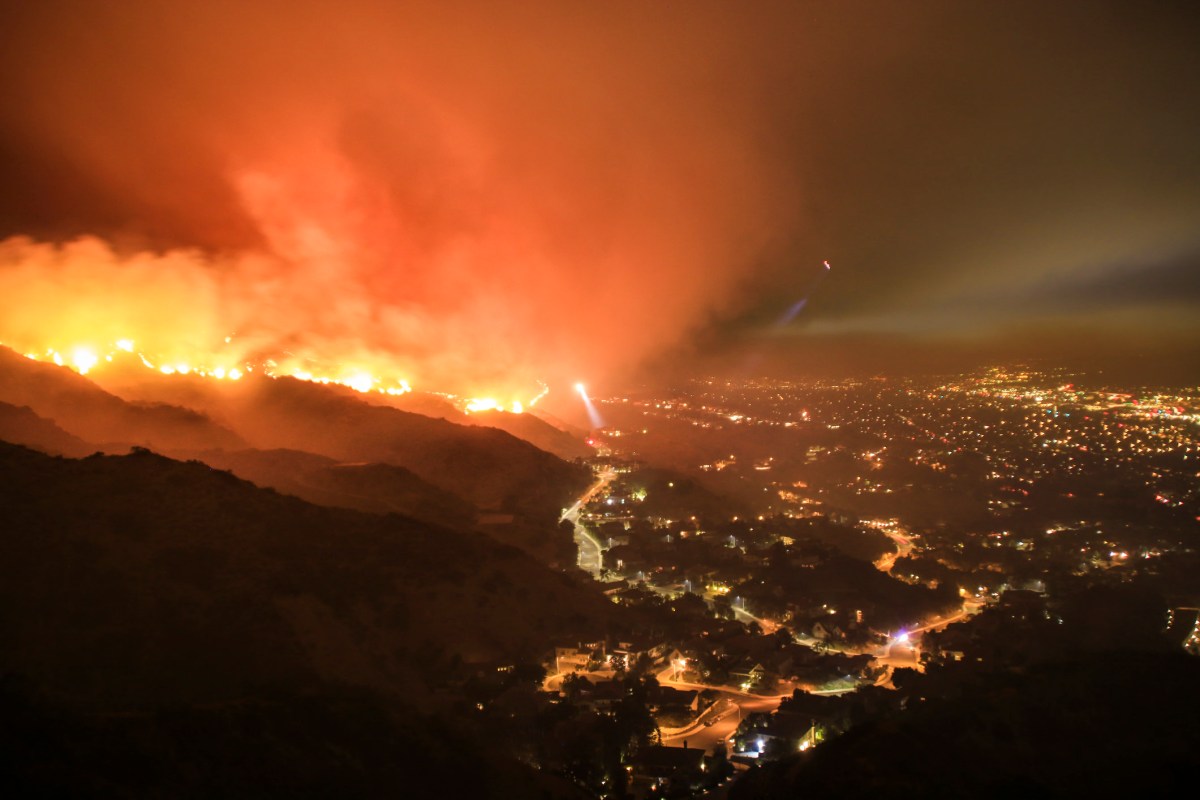
We often hear about how wildfires destroy homes and natural landscapes, but there's another less visible threat: the smoke.
A new study of California's 2020 wildfire season suggests that tiny particles in wildfire smoke, called PM2.5, could be linked to a noticeable increase in emergency room visits for mental health concerns.
What's happening?
Researchers looked at over 86,000 ER visits related to mental health during the peak of California's 2020 wildfires. They discovered that for every 10-microgram-per-cubic-meter rise in PM2.5 from wildfire smoke, mental health-related visits jumped by 8%. Depression-related visits rose by 15%, and mood disorders spiked by 29%.
Some groups were hit harder than others. Children, women, Black and Hispanic communities, and people on Medicaid experienced above-average increases. These patterns suggest that smoke exposure could be doing more than irritating lungs — it might also be affecting the brain.
Why is this important?
Thanks to the changing climate, wildfires are becoming more frequent and intense, which means more people are being exposed to smoky air. PM2.5 particles are small enough to travel deep into the body — even into the brain — where they can cause inflammation, disrupt hormones, and potentially impact mental health.
This turns an environmental issue into a pressing public health challenge. Vulnerable groups may face higher risks, and mental health services could see a surge in demand during wildfire seasons.
TCD Picks » Quince Spotlight
💡These best-sellers from Quince deliver affordable, sustainable luxury for all




What's being done about it?
Healthcare systems are starting to take note. Hospitals are preparing for a rise in mental health needs when smoke levels climb, and public health guidance is beginning to address not just breathing issues, but also emotional and psychological impacts
For individuals, the best defense is staying informed and prepared: track air quality, stay indoors on smoky days, and use air purifiers when possible. On a larger scale, proactive action — from reducing pollution to better managing forests — will be key to reducing the long-term health toll of wildfire smoke.
|
Do you worry about air pollution in and around your home? Click your choice to see results and speak your mind. |
 Yes — always 💯
Join our free newsletter for good news and useful tips, and don't miss this cool list of easy ways to help yourself while helping the planet.







