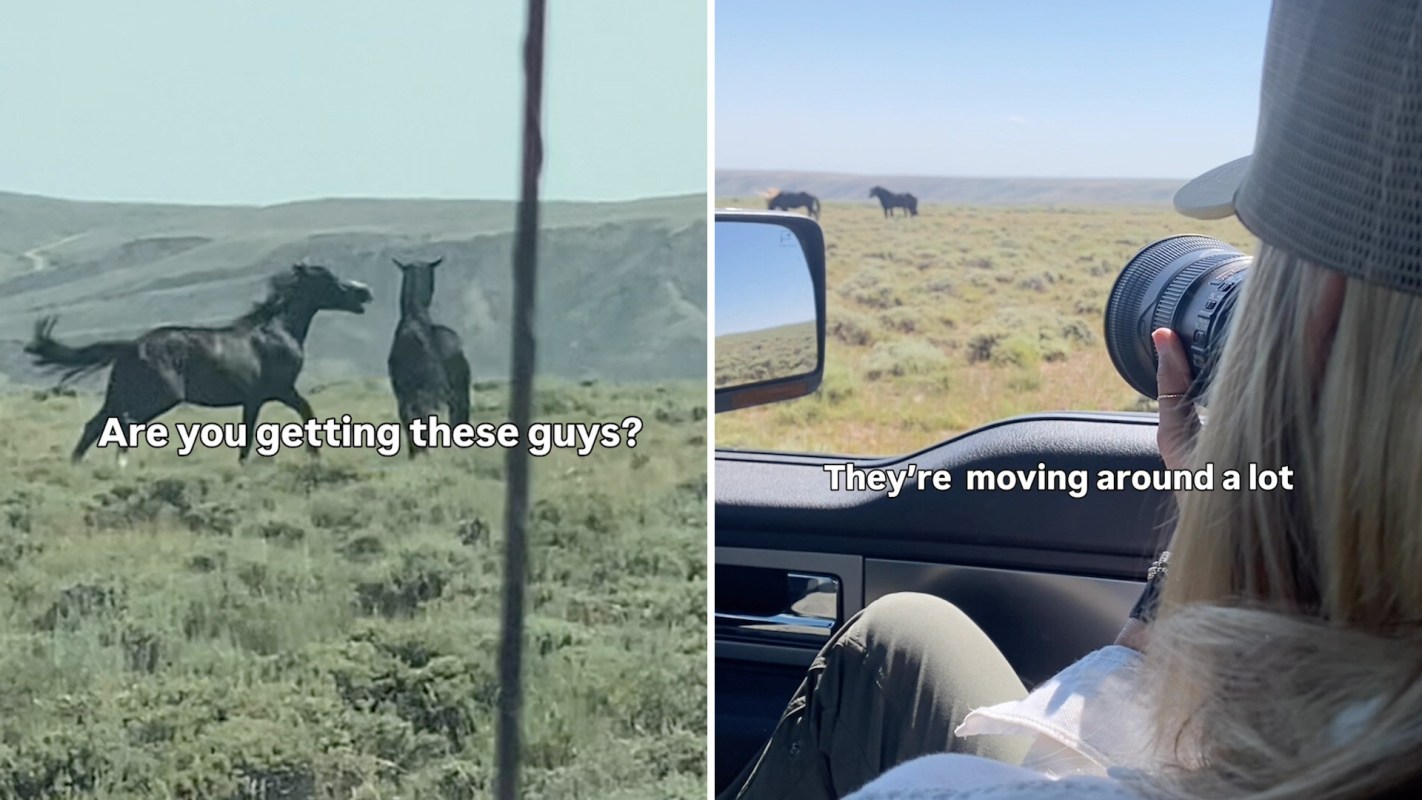
On Wyoming range land, a group of young wild stallions turned open country into a practice ring, roughhousing in a burst that was equal parts competition and play.
The scene offers a striking look at a side of wild-horse life many people do not often get to witness up close: bachelor males learning to navigate the social and physical demands of adulthood.
What happened?
A video shared to TikTok by Maureen Armstrong (@maureenarmstrong9) shows several young wild stallions on Wyoming range land, engaged in energetic but relatively low-stakes sparring that helps them gain experience and sort out rank.
@maureenarmstrong9 Bachelor Party! These Wild boys came to rumble! Young bachelor stallions wrestling, sparring, practicing to be lead band stallions someday. But today was play fighting and fun to watch on the Wyoming range land. . . . #wildhorses #horses #wildhorsephotographer #horsephotography #bachelor ♬ original sound - Maureen Armstrong
In the video, the creator described the moment this way: "Young bachelor stallions wrestling, sparring, practicing to be lead band stallions someday. But today was play fighting and fun to watch on the Wyoming range land."
"These Wild boys came to rumble!" the caption reads, and the person filming can also be heard saying, "Look at him. Look at him."
Why does it matter?
Wild horses are often photographed standing still against dramatic landscapes, but videos like this show something more revealing: behavior.
TCD Picks » Quince Spotlight
💡These best-sellers from Quince deliver affordable, sustainable luxury for all




Bachelor groups are an important part of wild-horse social life, giving younger stallions a chance to test their strength, learn boundaries, and build the skills they may need later.
Understanding animal behavior can deepen public appreciation for wildlife on shared lands.
A horse rearing or pushing another horse may look dramatic, but in this context it is also a normal part of development, communication, and social structure.
Open habitat matters. These moments happen because animals still have room to move, interact, and behave naturally across large landscapes.
What can I do?
If you are lucky enough to see wild horses in person, keep your distance, avoid approaching for closer photos, and let the animals control the encounter. That helps protect both people and horses from unnecessary stress or conflict.
It also helps to learn the basics of wild-horse behavior before visiting areas where they roam.
Knowing the difference between play, sparring, and more serious aggression can make a sighting both safer and more meaningful.
"Absolutely awesome shots of those wild babies! Thank you for sharing," one commenter wrote.

Get TCD's free newsletters for easy tips, smart advice, and a chance to earn $5,000 toward home upgrades. To see more stories like this one, change your Google preferences here.