


On a remote nature reserve only accessible by boat, entomologists have rediscovered a critically endangered species thought to be lost for 40 years. According to the Guardian, the small spider, Aulonia albimana, more commonly known as the white-knuckled wolf spider, was last seen in the UK in 1985.
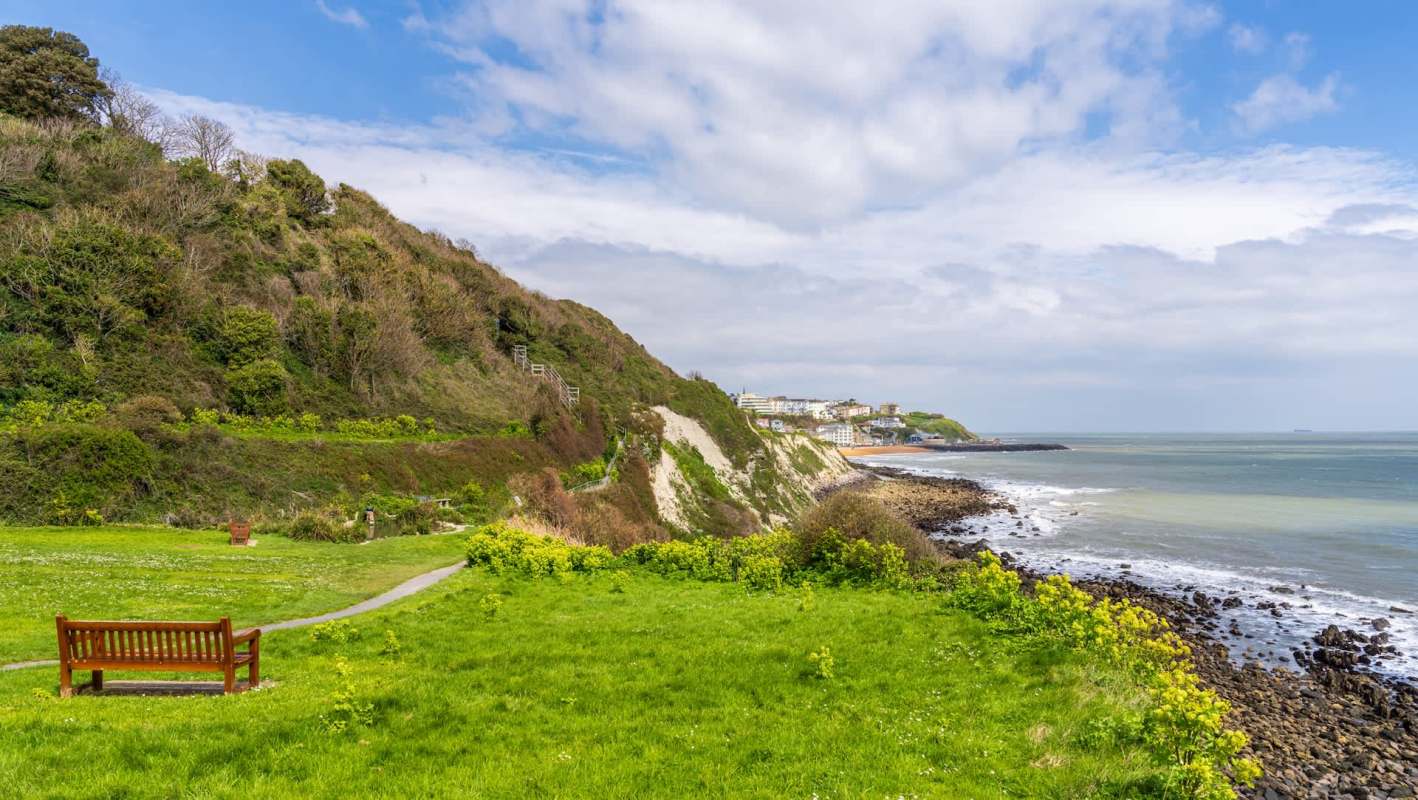
The species was rediscovered by entomologists Mark Telfer and Graeme Lyons, who led a research study on the Isle of Wight, a UNESCO Biosphere reserve off the southern coast of England. Before the species was thought to be lost, it had inhabited an abandoned building at the Newtown nature reserve.
"With repeated failure to find it at its former sites, where its open habitat has been lost, it seemed increasingly likely that it had joined the country's sad list of extinct species," said Helen Smith, the conservation officer for the British Arachnological Society.
While on their four-hour research study on the Isle, Telfer and Lyons discovered two white-knuckled wolf spiders before they had to board their boat back to the mainland.
"I found the first one with just nine minutes to go, and the second one in the last minute," Lyons said. "I've seen 559 species of spider in the British Isles and this one was by far the most exciting find."
The spot where they were found used to be overgrown but has since been restored by grazing Hebridean sheep. The sheep helped cut down vegetation, which allowed the spiders to thrive in "patchy, sunlit ground," according to the Guardian.
"This is one of those unforgettable discoveries," Telfer said. "To find a species thought lost for 40 years is thrilling."
"The remarkable discovery of this dapper little spider on the Isle of Wight is one of Britain's lost species rediscoveries of the century," said Smith.
Wolf spiders, like the white-knuckled wolf spider, are vital to their ecosystems, as they prey on insects, such as crickets and cockroaches, and help control pest populations and invasive species in gardens and other settings. They are also vital food for other species. When a species becomes critically endangered, it can upset the balance of an ecosystem, affecting everything around it.
The return of the white-knuckled wolf spider is welcome news to a species thought to be lost in the UK and can help maintain the balance of the ecosystem on the Isle of Wight, an important nature reserve.
TCD Picks » Quince Spotlight
💡These best-sellers from Quince deliver affordable, sustainable luxury for all




|
Do you think we still have a lot to learn from ancient cultures? Click your choice to see results and speak your mind. |
 Definitely 👍
 Other spider species have recently been rediscovered across the globe, including the Nelson cave spider, which was discovered in a cave in New Zealand, and the great raft spider, which was reintroduced thanks to work from the Chester Zoo in the UK.
According to the Guardian, the next steps are to determine the population of the white-knuckled wolf spider on the Isle of Wight and help protect its habitat.
Work from conservation groups and nature reserves is vital to protecting wildlife and helping ecosystems. The work done by those involved on the Isle of Wight was critical in seeing the return of the white-knuckled wolf spider.
"We've been managing this rare limestone grassland for years to encourage a rich diversity of wildlife," said Paul Davies, the countryside manager for the National Trust on the Isle of Wight. "To see that work paying off with the return of a species this rare is incredibly rewarding."

💰Get TCD's free newsletters for easy tips to save more, waste less, and make smarter choices — and earn up to $5,000 toward clean upgrades in TCD's exclusive Rewards Club.
Cool Picks






