


A white ermine photographed in Ukraine is evidence of how a changing climate is affecting wildlife.
What's happening?
Some animal species have fur that changes color from summer to winter, helping them blend in with the landscape around them. However, as global temperatures rise, animals' fur still changes while nature does not.
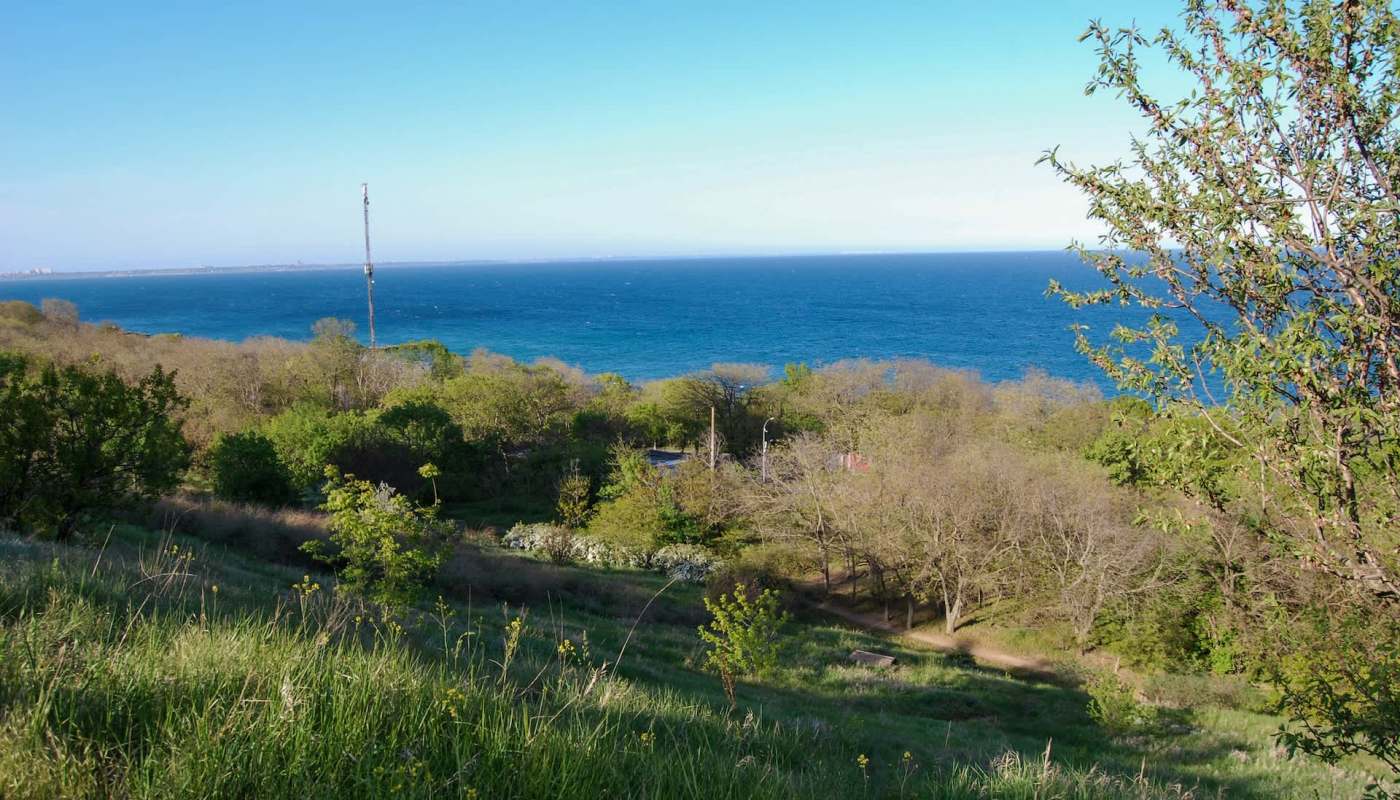
According to EcoPolitic, wildlife experts from the Lower Dniester National Nature Park in Odesa Oblast, Ukraine, photographed an ermine in an area that would normally be snow-covered.
The photograph showed how starkly this small predator now stands out in its white winter coat against a snowless landscape, and the park explained in a Facebook post that this threatens the species' survival.
Park officials wrote, "These photos are a marker of significant changes in nature, which we are obligated to notice and take into account in order to have time to help those who cannot adapt quickly enough."
Why is this news concerning?
The lack of snow, which prevents the animal and its winter coat from blending in, puts this animal at significant risk of being caught by predators, and makes it more visible to its own prey.
The ermine can't stop the color of its coat from changing, so its survival options are limited. Essentially, the species can either spend the next several decades evolving to the point where its coat doesn't change color, or migrate to new regions where snow still exists.
Ermines hunt small rodents, making them key in keeping the populations of these animals in check. If ermines disappear, small rodents could explode in population, affecting farmland and local communities.
Additionally, ermines are not the only animals affected by a lack of snow. Researchers from the University of Washington found that the amount of snow on the ground can affect whether many predators can capture prey or not.
What can be done about a lack of snow?
Unfortunately, only so much can be done to change snow conditions. The most important thing to do is to curb the use of energy sources that cause pollution, such as coal and gas, to help lower ever-warming temperatures.
TCD Picks » Quince Spotlight
💡These best-sellers from Quince deliver affordable, sustainable luxury for all




|
Do you think America does a good job of protecting its natural beauty? Click your choice to see results and speak your mind. |
 Definitely 👍
 That will require not only governments and scientists working together, but also individuals making daily choices to live more sustainably.
Additionally, as one Facebook user said in reply to the park's post, "Habitat support, disturbance reduction, and systematic monitoring are the minimums that can help species survive the transition period as nature seeks a new balance."

Get TCD's free newsletters for easy tips to save more, waste less, and make smarter choices — and earn up to $5,000 toward clean upgrades in TCD's exclusive Rewards Club.
Cool Picks






