


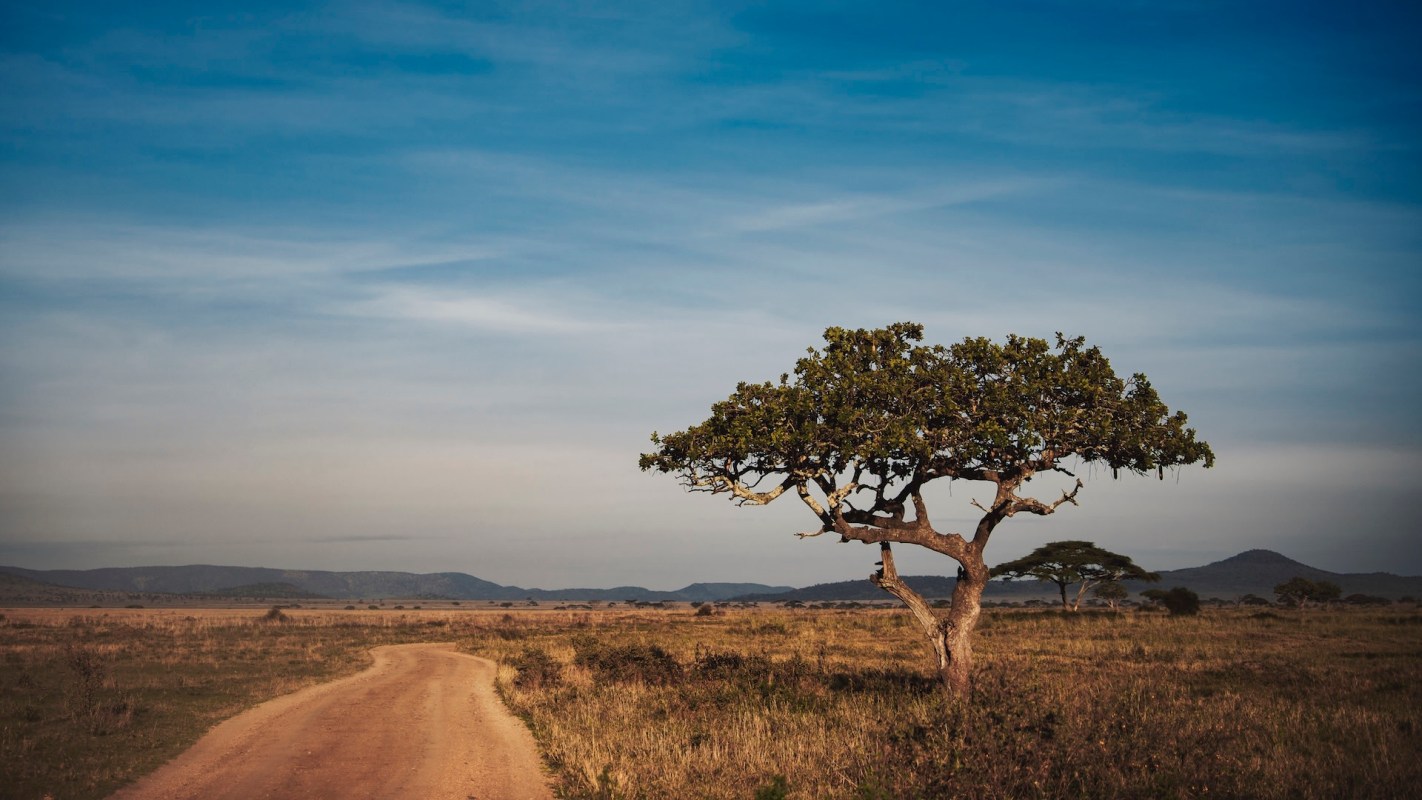
New maps reveal the impact of land use on the white-bearded wildebeest migration in Kenya. After tracking the movements of these wildebeests, researchers are concerned that conservationists can't keep up with the changes happening in the Mara ecosystem.
What's happening?
Kenya's Greater Mara Ecosystem is situated in the northern region of the Serengeti and serves as a key biodiverse hotspot. However, changes in land use across the region are severing migration paths, threatening the white-bearded wildebeest.
A team of researchers from the Smithsonian's National Zoo and Conservation Biology Institute worked with the Global Initiative on Ungulate Migration to gather new data on migration paths and create an accurate map of the white-bearded wildebeest's migration. Published in the Atlas of Ungulate Migration, their findings underscore the consequences of fencing nearby land for agricultural and private use.
The added fencing and infrastructure have not only broken up the wildebeest migration path but have also prevented the species from migrating altogether. Before the land became fragmented by fencing, over 100,000 wildebeest would migrate from the western region of the Greater Mara Ecosystem to the northeastern portion.
However, now, data reveal most white-bearded wildebeest are "resident species," meaning they remain in the same area year-round and don't migrate.
Why are the new maps outlining the wildebeest migration important?
The new maps reveal the extent of the migration collapse for white-bearded wildebeest. After reviewing the data, the researchers found that the wildebeest "migration footprint" has decreased by nearly 90% since 2020.
Migration losses have a direct and devastating impact on the species' survival. Without the ability to migrate to different areas during changing seasons, the wildebeests have reduced access to resources and "calving grounds," noted Phys.org.
"Over the past ten years, the Mara ecosystem has undergone profound changes and offers a warning to other grassland ecosystems facing similar human pressures," Jared Stabach, terrestrial science lead with the Smithsonian's Movement of Life Initiative, told Phys.org. "As land use shifts in East Africa, there is a tremendous conservation urgency in this region."
What's being done about migration changes in the Greater Mara Ecosystem?
Fence removal is one way to reverse path fragmentation and catalyze migration recovery. While it's challenging to restore migration habits in a species, it has been achieved. By analyzing migration maps and outlining key routes, conservationists can better preserve areas of importance.
Rather than preventing land development altogether, conservationists encourage a strategy that allows for land use without interfering with wildlife. This can be accomplished by studying migration paths, species' population numbers, and charting data into accurate maps.
TCD Picks » Quince Spotlight
💡These best-sellers from Quince deliver affordable, sustainable luxury for all




|
Do you think America does a good job of protecting its natural beauty? Click your choice to see results and speak your mind. |
 Definitely 👍
 "Maps are a fundamental tool in guiding conservation decision making," Dr. Joseph Ogutu, a scientist with the University of Hohenheim in Stuttgart, Germany, told Phys.org. "Human development and wildlife migration in Kenya don't have to be exclusive, and maps can pinpoint where animals most need freedom of movement. Maps are essential for reopening and reconnecting blocked or lost migration corridors."

Get TCD's free newsletters for easy tips to save more, waste less, and make smarter choices — and earn up to $5,000 toward clean upgrades in TCD's exclusive Rewards Club.
Cool Picks






