


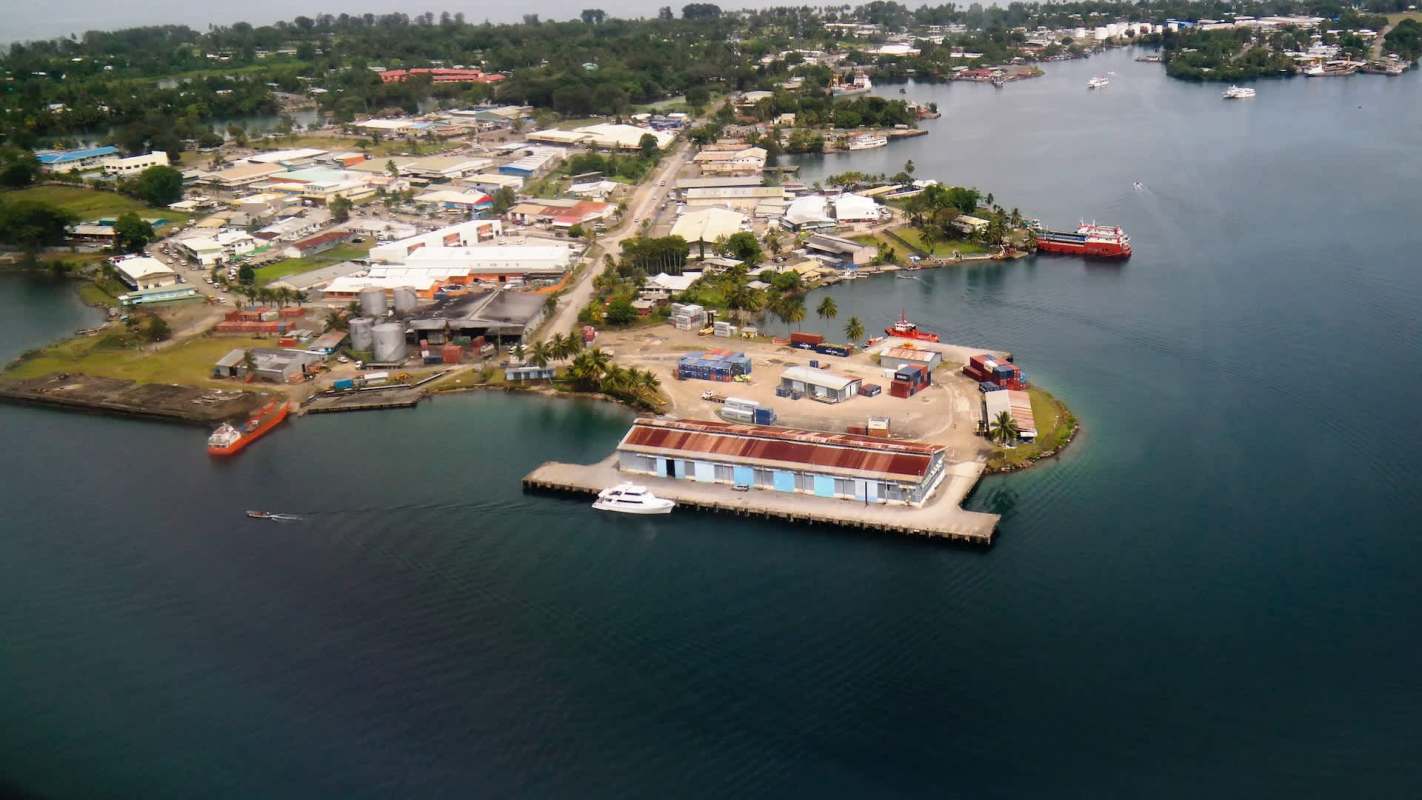
Wewak's coastal communities in Papua New Guinea are watching their livelihoods slowly slip away as encroaching seas damage roads, displace residents, and swallow up land.
What's happening?
Rising sea levels and king tides are causing major damage to East Sepik's coastlines. Roads are vital in giving these communities access to hospitals, education, and markets.
Areas near the country's Defence Force base are at risk, leading local representatives to request funding to maintain operations.
The carnage goes beyond roads, The National reported. Saltwater is ruining food gardens, and the salty soil threatens coconut trees and other crops. The overall impact is pushing communities further inland.
Why are Wewak's rising seas concerning?
These changes are a continuation of challenges for Papua New Guinea, which is especially vulnerable to the changing climate.
In 2021, extreme tidal events displaced approximately 50,000 individuals, and areas like East Sepik bore the brunt of the disaster. The current specific numbers for Wewak are unclear since gradual erosion and displacement aren't officially recorded.
TCD Picks » Quince Spotlight
💡These best-sellers from Quince deliver affordable, sustainable luxury for all




The loss of homes also erases the history and culture associated with those places. Traditional sites and connections to the land could be permanently lost.
There's an unfortunate measure of environmental injustice at play. While the country and region add little pollution, they face a major environmental toll from the impacts of larger, wealthier countries' contributions.
Wewak is just one of many communities threatened by rising sea levels. Highly polluting energy sources like oil, coal, and gas produce heat-trapping atmospheric pollution and contribute directly to this phenomenon.
A warming planet also intensifies extreme weather events. In East Sepik, that translates to greater displacement and destruction when flooding and earthquakes occur, according to the International Organization for Migration.
|
Which of these savings plans for rooftop solar panels would be most appealing for you?
Click your choice to see results and earn rewards to spend on home upgrades. |
 Save $1,000 this year 💸
 What's being done about Wewak's rising seas?
Many indigenous residents are hesitant to relocate, as doing so would endanger their cultural identity and ties to ancestral land. Others who wish to move lack adequate support from the government.
The area's MP and Vice Defence Minister Stanley Muts Samban is advocating for the government to pay for alternative road routes in the area, per The National.
Locals are clamoring for long-term solutions like new sites for residents with more resilient infrastructure. Samban believes that without prompt actions, conditions are likely to deteriorate further.

Get TCD's free newsletters for easy tips, smart advice, and a chance to earn $5,000 toward home upgrades. To see more stories like this one, change your Google preferences here.







