


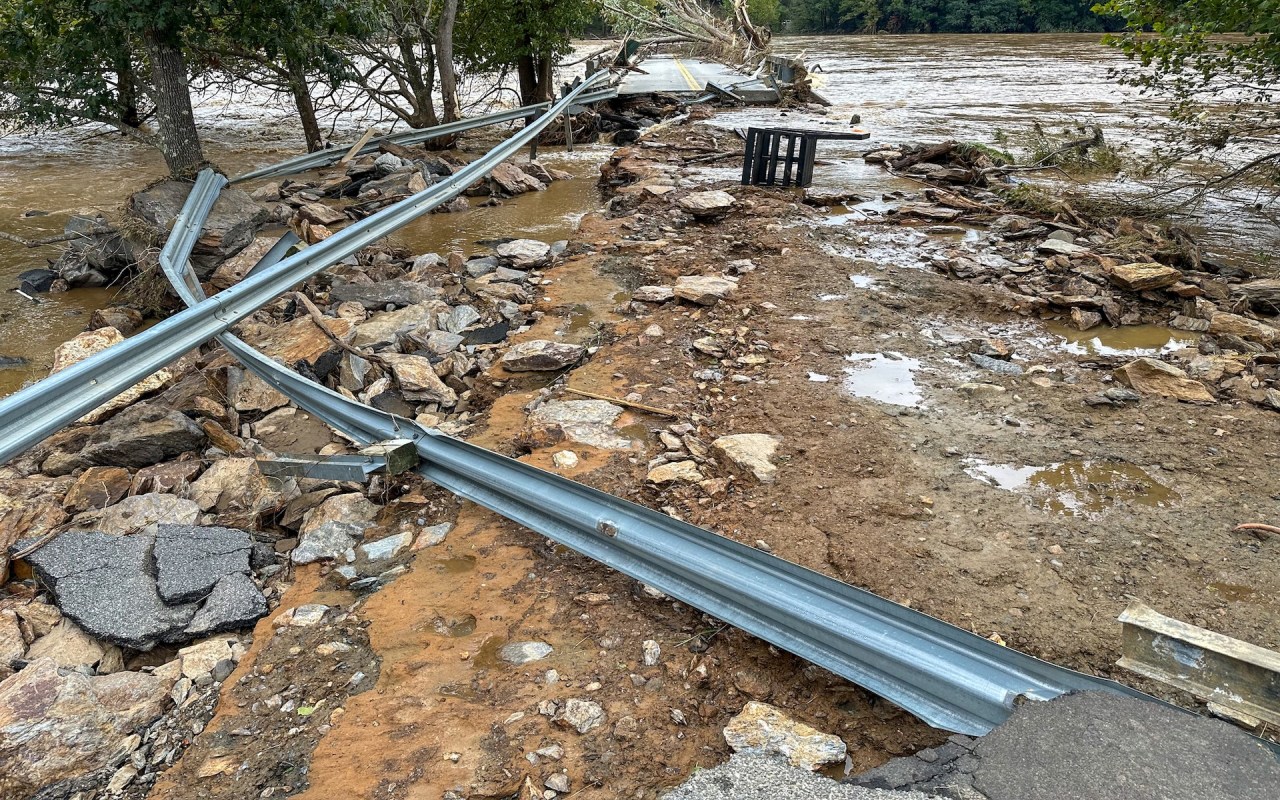
More than 100 people were rescued after severe flooding swept through parts of West Virginia this week, overwhelming roads, homes, and businesses while emergency teams continued trying to locate anyone still missing.
As the Associated Press reported, the flooding followed an intense burst of rain on already saturated ground, quickly overwhelming creeks, roads, and neighborhoods across the northern part of the state.
What happened?
West Virginia Gov. Patrick Morrisey declared a statewide emergency Tuesday night after flash flooding tore through communities, including Buckhannon and Weston.
Morrisey said 500 National Guard members were sent to the areas hit hardest by the flooding, per the AP. He also said 19 helicopters from the National Guard and state police were either carrying out rescues or ready to assist if needed. Officials reported at least 85 high-water rescues and said there was concern that some residents had still not been accounted for.
More than 100 residents were staying in three shelters that opened Wednesday, Morrisey said. He also described extraordinary rainfall totals, with forecasters reporting up to seven inches and some places receiving 4.5 inches in just 37 minutes.
"There's no place for the water to go," Morrisey told the AP.
TCD Picks » Quince Spotlight
💡These best-sellers from Quince deliver affordable, sustainable luxury for all




Damage spread across the region. Water covered parking lots, rushed into a Walmart in Weston, closed sections of Interstate 79 and U.S. Route 48, and washed out bridges and smaller roads.
Lewis County Commissioner Agnes Quinn Queen wrote in a social media post, "The devastation across our county is extensive."
Why does it matter?
Flash floods are among the most dangerous weather disasters because they can trap people in cars, homes, and businesses with little warning. In this case, rescuers reportedly could not reach some locations because roads had already been cut off by high water.
Extreme weather events damage infrastructure and destroy homes. Floodwater can contaminate drinking water, trigger mold growth, block emergency medical access, and leave families without safe shelter, transportation, or income.
This storm also came after earlier rainfall had already saturated the ground, leaving the region especially vulnerable. According to the AP, a U.S. Geological Survey gauge showed Sand Run near Buckhannon rose to a record level, surpassing a mark set during a deadly 1985 flood event.
Tuesday's storms arrived a decade after flooding in the same broader area killed 23 people, the outlet noted. Repeated disasters can quickly strain community safety and economic stability.
What's being done?
State and local officials remained focused on emergency response, including rescues, searches, shelter, and assessing the extent of the damage. Morrisey said operations continued Wednesday as authorities worked to check reports of missing people and possible fatalities.
"This is a time for West Virginians to come together to do everything possible, not only to pray for all those who are affected, but we're going to need a lot of help in the days and weeks ahead," Morrisey said, per the AP.
Displaced residents were being directed to three shelters, and communities were also starting to organize donation drop-off efforts. Buckhannon Mayor Robbie Skinner said West Virginia Wesleyan College would be one collection point once conditions allow broader recovery work to move forward.
"This is heartbreaking," Skinner declared, according to the AP. "This is not something you want to see in your hometown. But we will get past it. We will get through it."

Get TCD's free newsletters for easy tips, smart advice, and a chance to earn $5,000 toward home upgrades. To see more stories like this one, change your Google preferences here.







