


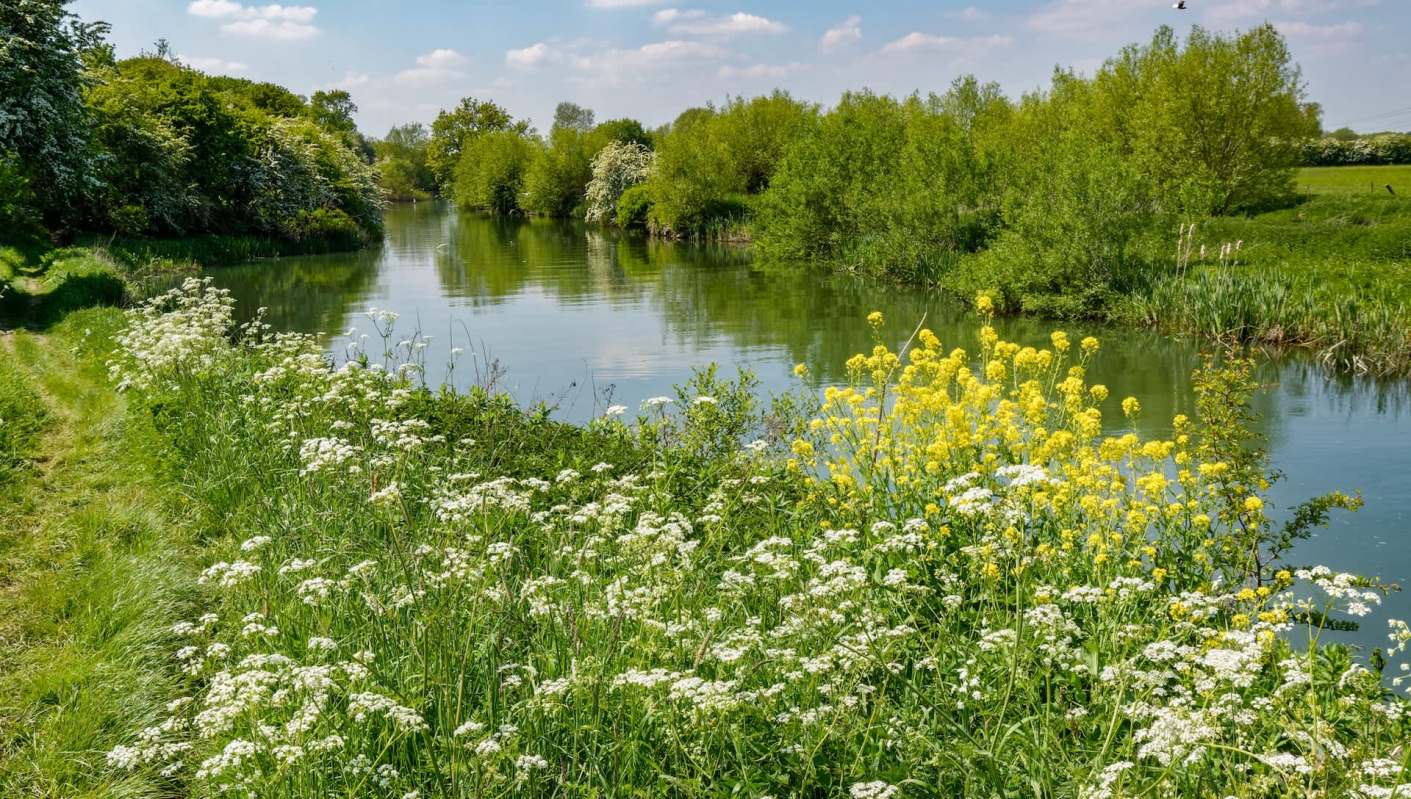
Water voles are swimming through a British river system again after going undetected for close to two decades.
According to BBC News, the River Thame Conservation Trust filmed the small mammals at two spots in the region: one in Buckinghamshire's Chearsley area, the second at Chalgrove Brook near Stadhampton in Oxfordshire.
Volunteers set up cameras with motion sensors across the watershed as part of an ongoing observation program.
No mammal in Britain has seen steeper population losses than the water vole. Their numbers have plummeted over 90% in the past three decades, and the species has disappeared from 94% of its former territory.
Conservationists reintroduced voles to the area near Cuddesdon and Chiselhampton in 2006. Researchers can't say whether the animals caught on camera descend from that group or trace back to wild ancestors.
Trail cameras have become useful instruments for monitoring at-risk species and tracking recovery work. These devices operate continuously without startling animals to give scientists a window into population health and behavior patterns.
For secretive creatures like water voles, motion-triggered cameras can gather proof that standard field surveys often miss.
When we safeguard habitat for one species, the benefits ripple outward. Waterways healthy enough for water voles also sustain fish, birds, insects, and vegetation that form interconnected webs.
Balanced ecosystems filter water and strengthen food sources, supporting nearby human communities.
At one site, cameras filmed a heron hunting and consuming water voles.
TCD Picks » Quince Spotlight
💡These best-sellers from Quince deliver affordable, sustainable luxury for all




|
Do you think America does a good job of protecting its natural beauty? Click your choice to see results and speak your mind. |
 Definitely 👍
 "While the footage was not nice to watch, it was also an exciting discovery, evidence of previously undetected water voles in the Thame catchment," RTCT said.
The trust added that seeing herons alongside water voles showed the river now supports a complete ecological cycle.
If you live near streams or rivers in the U.K., you can pitch in by letting area wildlife organizations know about any water vole activity or mink presence. The INNS Mapper website also accepts reports.
Paul Jeffery, an RTCT volunteer and Oxon Mammal Group treasurer, said the discovery brought "real hope that water voles are still clinging on and may one day repopulate the whole river system with our continued help."

Get TCD's free newsletters for easy tips to save more, waste less, and make smarter choices — and earn up to $5,000 toward clean upgrades in TCD's exclusive Rewards Club.
Cool Picks






