


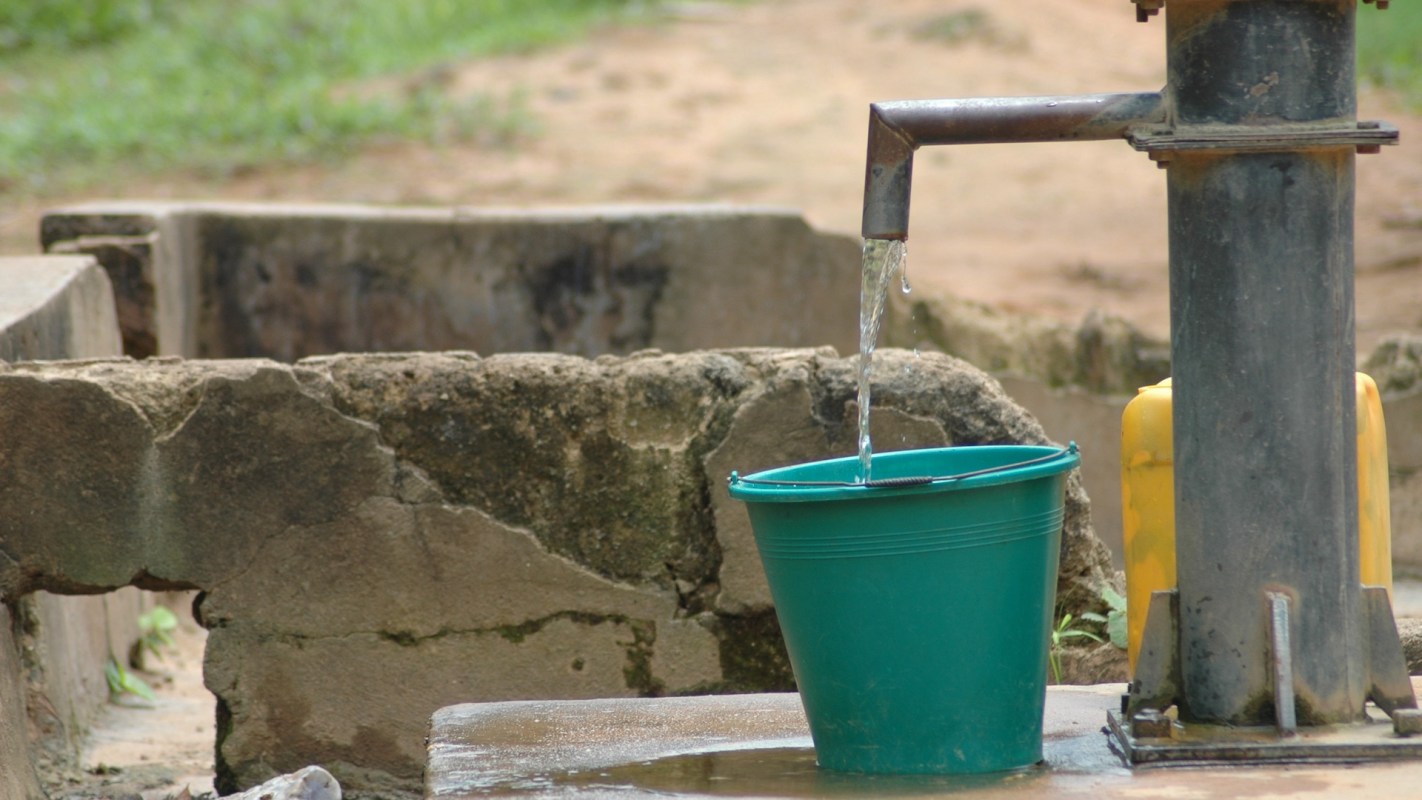
The world's water supply is in far worse shape than many people realize, according to a new United Nations report.
The report, featured by Reuters, warns humanity is edging into what researchers call "water bankruptcy."
What's happening?
U.N. researchers said the planet is facing an "irreversible" crisis driven by decades of overuse and declining freshwater sources.
Nearly three-quarters of the global population now live in countries considered "water insecure" or "critically water insecure," the report found, and about 4 billion people experience severe water shortages for at least one month each year.
"Many regions are living beyond their hydrological means, and many critical water systems are already bankrupt," said Kaveh Madani, director of the United Nations University Institute for Water, Environment and Health and lead author of the report.
The researchers warned that global water supplies are already in a "postcrisis state of failure," after years of pulling more water out of natural systems than can be replenished.
More than 170 million hectares of irrigated farmland, an area larger than Iran, are under high or very high water stress, while economic losses tied to land degradation, groundwater depletion, and rising global temperatures exceed $300 billion annually.
Why is this report concerning?
Water is foundational to nearly every part of daily life, from growing food and producing energy to keeping communities healthy.
When water systems fail, the impacts ripple outward: crops suffer, food prices rise, jobs disappear, and families face difficult choices about where and how they can live.
We're already seeing this reflected in some parts of the globe: In Africa, for instance, 90 million people are on the brink of starvation in part due to drought-driven declines in food access.
TCD Picks » Quince Spotlight
💡These best-sellers from Quince deliver affordable, sustainable luxury for all




|
What's the most you'd pay per month to put solar panels on your roof if there was no down payment?
Click your choice to see results and speak your mind. |
 $200 or more 💰
 The report stressed that returning to "normal" is no longer an option. Instead, researchers argue for a new global water agenda that prioritizes protecting people and ecosystems while minimizing further damage.
What's being done about the water supply?
While the challenges are immense, innovative solutions are emerging.
Researchers at the Indian Institute of Science have developed a new desalination system that uses sunlight and gravity to turn seawater into drinking water. Unlike traditional setups, the system works faster, costs less, and could be especially useful in remote or resource-limited regions.
In agriculture, companies are also finding ways to reuse water already embedded in crops.
Botanical Water Technologies, for example, has partnered with a major tomato processor in California's drought-prone San Joaquin Valley to capture and purify water released during food processing. Tomatoes are about 95% water, and this approach helps return lost moisture to local water supplies.

Get TCD's free newsletters for easy tips to save more, waste less, and make smarter choices — and earn up to $5,000 toward clean upgrades in TCD's exclusive Rewards Club.
Cool Picks




