


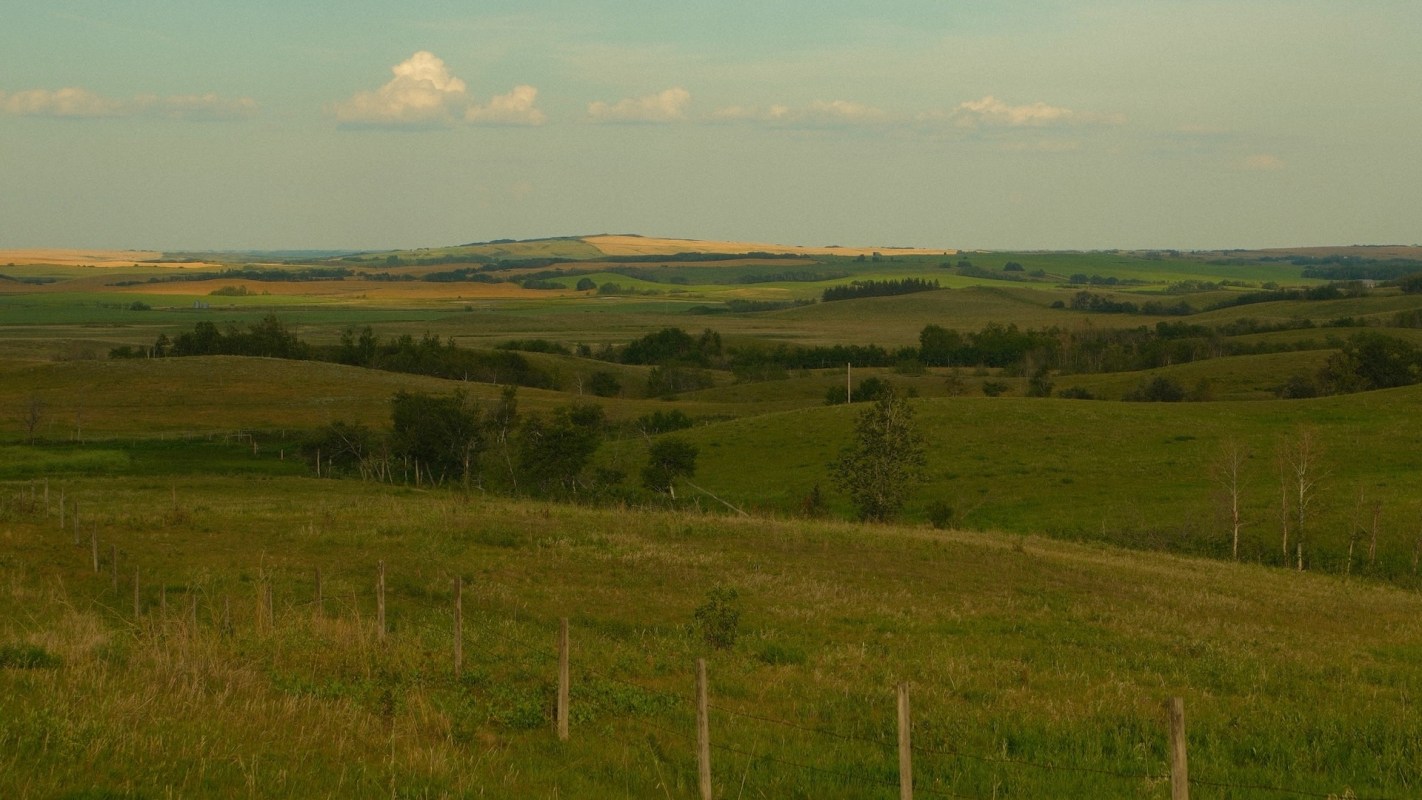
A cache of 142 dead migratory birds was dumped on a property outside of Saskatoon, CBC News reported.
What happened?
Someone left the carcasses on private land close to Patience Lake on Oct. 16. Snow geese made up 129 of the total, while ducks accounted for the rest except for one Canada goose.
Officials shared an image of a pickup truck linked to the offenses of trespassing, littering, and not harvesting animals. A reward of $2,000 is available through a tip line for details that result in charges.
Chris Maier, an inspector with the Conservation Officer Service, said such violations happen repeatedly every year. Irresponsible hunters kill animals and then throw them away to avoid processing work.
The combined penalties for illegal entry, littering, and wasting game could push the fines above 20,000 Canadian dollars.
"It's disgusting," said Jordan Rowswell, the owner of 12 Gauge Outfitting in Battleford, Saskatchewan. "It's an absolute waste of not just meat but a resource. It gives every hunter out there a bad name."
Why is wildlife waste concerning?
This points to a larger problem affecting conservation efforts across North America. When hunters kill animals and discard them, they damage wildlife populations that other species and ecosystems depend on.
The waste threatens food security since hunters often give extra meat to food banks. Throwing away edible protein means families who need it go without.
Bird populations are also facing mounting pressures from habitat loss and climate impacts. Unnecessary deaths from wasteful hunting practices make recovery harder for species already under stress.
The dumping damages the reputation of ethical hunters who follow regulations and use what they harvest, too. This stigma can lead to tighter hunting restrictions that negatively impact responsible outdoors enthusiasts.
TCD Picks » Quince Spotlight
💡These best-sellers from Quince deliver affordable, sustainable luxury for all




|
Do you think America does a good job of protecting its natural beauty? Click your choice to see results and speak your mind. |
 Definitely 👍
 Some conservation groups worry that loose regulations attract hunters from other areas who collect hundreds of birds during extended trips, then struggle to transport or process them.
What's being done about wildlife waste?
Professional outfitting companies follow certain standards and could lose their licenses if caught discarding carcasses. These businesses typically help clients process and transport harvests properly.
If you hunt, freeze extra meat to use another time or give it to local food programs and families. Many communities welcome these contributions as a source of lean, healthy protein.
Contact your local representatives and voice support for policies that prevent wildlife waste. Some provinces limit how long non-resident hunters can pursue migratory birds, which may reduce excessive harvesting.
Report suspected violations to conservation officers immediately. Your call could prevent future waste and protect wildlife populations.

💰Get TCD's free newsletters for easy tips to save more, waste less, and make smarter choices — and earn up to $5,000 toward clean upgrades in TCD's exclusive Rewards Club.
Cool Picks






