


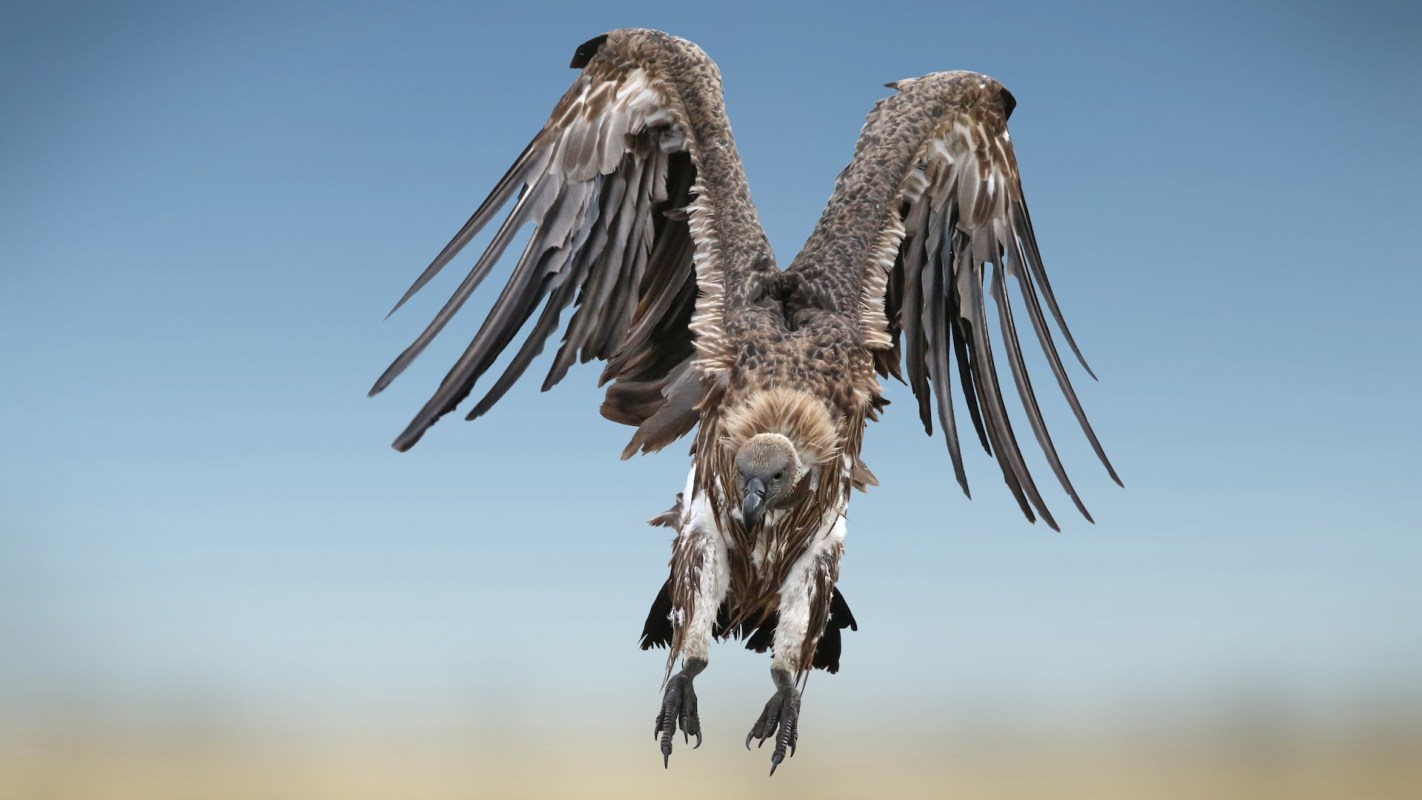
Researchers have discovered a startling link between often misunderstood scavenging species and public health, revealing just how interconnected human survival is with nature.
As NPR reported, a study published in PNAS found that over one-third of vertebrate scavenger species, such as vultures, are threatened by extinction or experiencing population declines. If they disappear, it could result in an untold number of human deaths.
For instance, environmental economist Anant Sudarshan and his colleague Eyal Frank detailed how the decline of the vulture in India contributed to 100,000 deaths in the early 2000s. They published their findings last year in the American Economic Review.
According to that report, vulture populations in India began to drop dramatically in the late 1990s. It wasn't long until the country's estimated 50 million birds numbered in the thousands.
"When I used to go to school, the school bus would cross the river. And you always saw these vultures in vast quantities," Sudarshan told NPR. "... Then they just sort of disappeared."
Researchers identified the livestock painkiller diclofenac as the culprit, as it was poisonous to vultures, which ingested it during feeding. However, the damage was done.
With fewer vultures to clean up rotting carcasses, harmful bacteria multiplied and contaminated water supplies. What's more, feral dogs had an abundance of food to feast upon, and their numbers began to rise. Researchers linked their prevalence to an increase in human-animal conflict and thousands of additional rabies infections.
Stanford University biologist Chinmay Sonawane put it simply when discussing the matter with NPR: "To a certain extent, vultures were controlling these possible routes of disease."
Fortunately, this isn't the end of the vulture's story in India or around the world. In 2006, the Indian government outlawed diclofenac in the treatment of cattle, and it has taken further regulatory action to protect the birds from extinction.
In South Africa, repopulation efforts have led to a small but thriving vulture population at Shamwari Private Game Reserve. More broadly, conservation organizations worldwide are working to counteract a sixth mass extinction event underway as a consequence of human activities.
TCD Picks » Quince Spotlight
💡These best-sellers from Quince deliver affordable, sustainable luxury for all




"The take-home message is that we need to be always factoring nature into the equation of human health," Maastricht University biologist Christopher O'Bryan told NPR. "We can't ignore it."
|
Do you think America does a good job of protecting its natural beauty? Click your choice to see results and speak your mind. |
 Definitely 👍
Join our free newsletter for good news and useful tips, and don't miss this cool list of easy ways to help yourself while helping the planet.
Cool Picks




