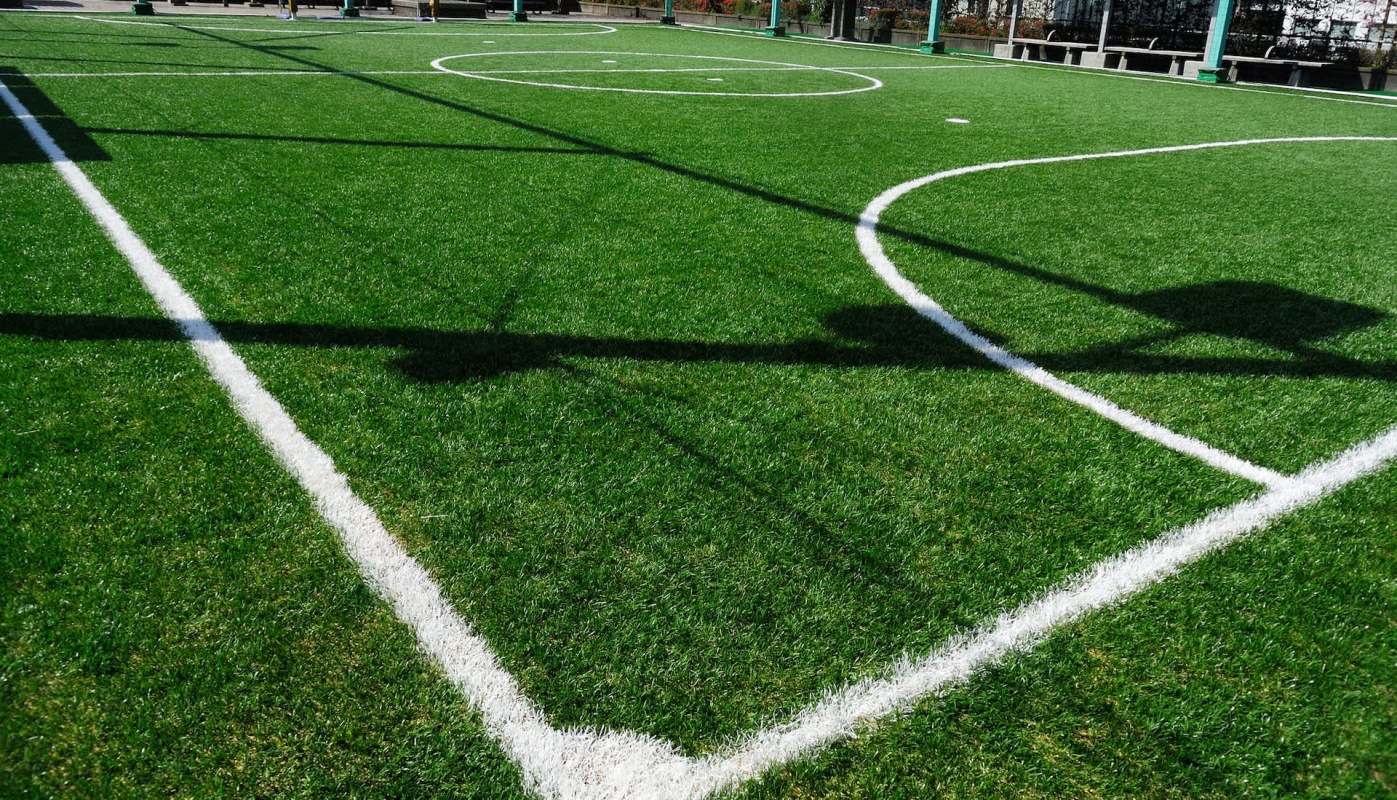
A business owner and local sports fan in Vermont is pushing to replace grass athletic fields at his town's high school with artificial turf. But many community members have resisted the idea due to health and environmental concerns.
Eli Lesser-Goldsmith proposed the new field cover to help local sports teams avoid canceling games due to frequent field flooding.
"We have some of the best sports teams in the state of Vermont," Lesser-Goldsmith told news outlet Seven Days. "We have a rich history of high levels of performance and championships, and yet we have a field that on this day is unplayable."
He pledged to raise the funds for a new turf field himself, but he still faced pushback from area residents. Opponents said they're concerned because of the proximity of the field to a well system.
"I really want to protect my community from the devastating impacts of forever chemicals," said Jennifer Decker, a member of the local planning commission.
PFAS, also known as forever chemicals, are human-made chemicals used in everyday consumer products that break down slowly. They're known to have serious health impacts, including increased cholesterol levels, liver enzyme changes, and certain types of cancer. PFAS are often used in the production of synthetic turf. With a well system nearby, runoff from the field could contaminate the local water supply.
TCD Picks » Quince Spotlight
💡These best-sellers from Quince deliver affordable, sustainable luxury for all




In an email to The Cool Down, Lesser-Goldsmith noted that Vermont passed a law regarding PFAS content that went into effect on Jan. 1 of 2026 and that his plans involve a turf field from FieldTurf that "exceeds the letter of that law." TCD confirmed this law, S.25 Act 131, says that it bans products in the state, including artificial turf, known to include PFAS.
The most relevant section reads as follows: "A manufacturer shall not manufacture, sell, offer for sale, distribute for sale,
or distribute for use in this State artificial turf to which: (1) PFAS have been intentionally added in any amount; or (2) PFAS have entered the product from the manufacturing or processing of that product, the addition of which is known or reasonably ascertainable by the manufacturer."
The bill is not clear on penalties, but it appears that violations would fall under the Vermont Consumer Protection Act and that violators would be open to significant legal action, including state-imposed fines of potentially thousands of dollars per day.
Synthetic turf has more drawbacks beyond PFAS, however, which can vary depending on the actual makeup, and those concerns remain heightened when such a field is in close proximity to a well or reservoir, even if tested to contain zero traces of PFAS.
Artificial turfs are widely believed to increase the frequency and severity of sports injuries, partly because of the amount of heat most artificial fields will absorb, as well as how hard the surface might be, compared to natural soil and grass. The NFL Players Association has also said it believes artificial fields to be less safe, though many scientists and sporting bodies, including the NFL, contend that turf fields are safe, though that belief in safety may be connected to most NFL stadiums' protocols of replacing them as often as every two to five years.
Heat absorption also negatively impacts the environment, creating heat islands and reducing the availability of resources for wildlife.
Particularly when it comes to non-sports uses, there are plenty of natural alternatives to artificial turf, from natural and native lawns to buffalo grass and xeriscaping. Each method is an upgrade from turf, which proponents claim is low-maintenance and low-cost. In reality, turf must be cleaned frequently to keep up its appearance and should also be replaced every few years due to deterioration. Natural lawns, however, require less attention and less water to maintain.
For sports fields, drainage and water redirection systems can be installed to reduce the risk of flooding or muddy conditions, or better location scouting can lead to field placements less prone to such problems in the first place.
In Vermont, the desire to reduce postponements and cancellations over flooded or muddy fields is understandable, leading to disagreement on courses of action. While Lesser-Goldsmith and others have touted the benefits, other neighbors and local leaders have spoken out about the proposed turf field, pointing to state laws and concerns from residents from a perspective of maintaining natural playing surfaces and outdoor spaces over anything artificial that invites risk in exchange for convenience.
"The artificial turf idea is dangerous, and legally futile," Decker wrote in an opinion piece for the Shelburne News, per Seven Days. "Let us enjoy spectator sports while preserving democracy, human health, and the ecosystem."
|
What's the most you'd pay per month to put solar panels on your roof if there was no down payment?
Click your choice to see results and speak your mind. |
 $200 or more 💰
Get TCD's free newsletters for easy tips to save more, waste less, and make smarter choices — and earn up to $5,000 toward clean upgrades in TCD's exclusive Rewards Club.