


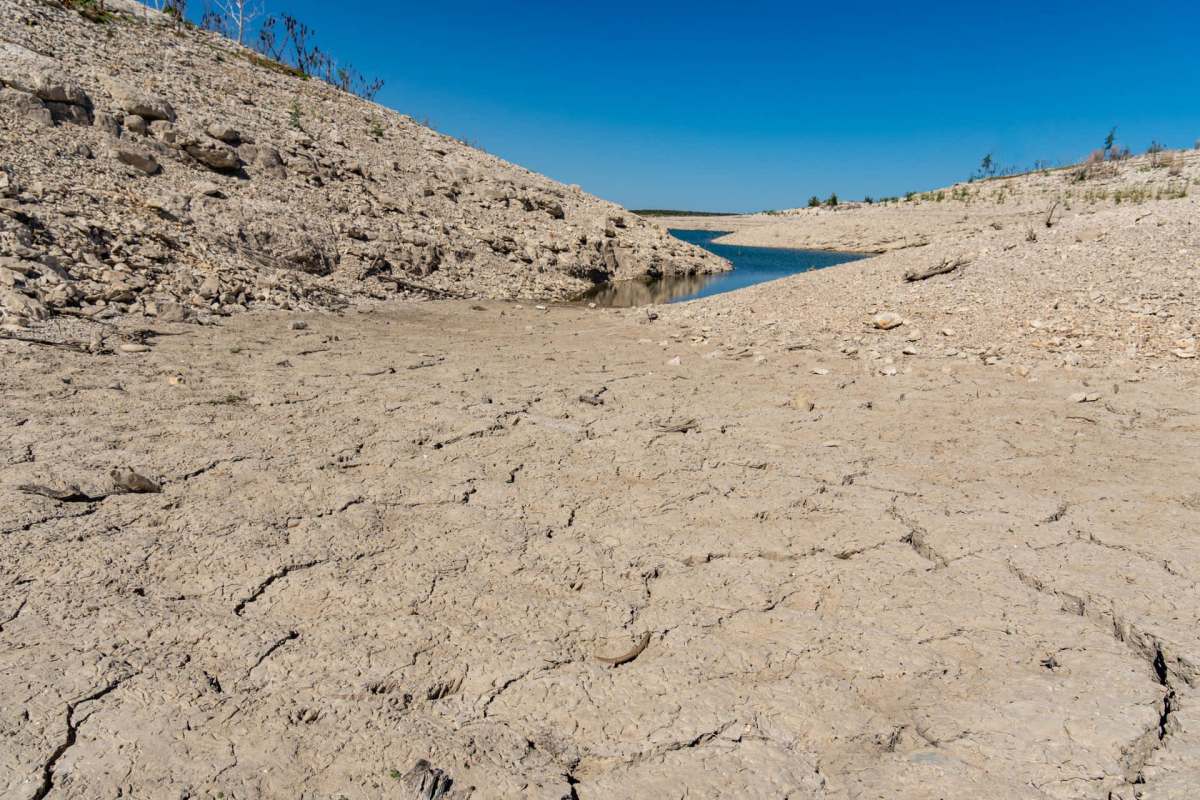
Vermont is facing one of its worst droughts in years. Nearly the entire state is in severe drought, and parts of it are experiencing extreme conditions, reported the Vermont Digger.
Residents and communities are dealing with dried-up wells, restricted water use, and shrinking lakes and rivers. It's not just inconvenient; it's a sign of a larger problem.
What's happening?
This summer, a "flash drought" developed quickly across Vermont. Flash droughts start suddenly and become severe fast, leaving little time to prepare.
By late September, 94% of the state was in severe drought, and 24% was in extreme drought.
Towns like Berlin, Plainfield, and Montpelier issued water conservation notices. In some places, residents have resorted to showering at schools or picking up water from the town hall. Lake Champlain and other water bodies are nearing record-low levels, harming ecosystems and limiting recreation.
"A number of them are recording their lowest value on record," state climatologist Lesley-Ann Dupigny-Giroux said.
Perk up the winter blues with natural, hemp-derived gummies Camino's hemp-derived gummies naturally support balance and recovery without disrupting your routine, so you can enjoy reliable, consistent dosing without guesswork or habit-forming ingredients. Flavors like sparkling pear for social events and tropical-burst for recovery deliver a sophisticated, elevated taste experience — and orchard peach for balance offers everyday support for managing stress while staying clear-headed and elevated.
Learn more → |

Wildlife, crops, and businesses that depend on water are all feeling the impact.
Why is this drought concerning?
While weather events like droughts have always happened, the pattern is changing. Scientists say these events are becoming more frequent and more intense due to human-caused changes to the climate.
Rising temperatures and shifting weather patterns are disrupting the natural water cycle. Rainfall is becoming less regular, and warmer air causes more water to evaporate. This means that even when it rains, the ground dries out faster and less water is stored.
Droughts reduce crop yields, dry up drinking water sources, and increase the risk of wildlife. They also put pressure on fish, plants, and other animals that depend on healthy lakes and rivers.
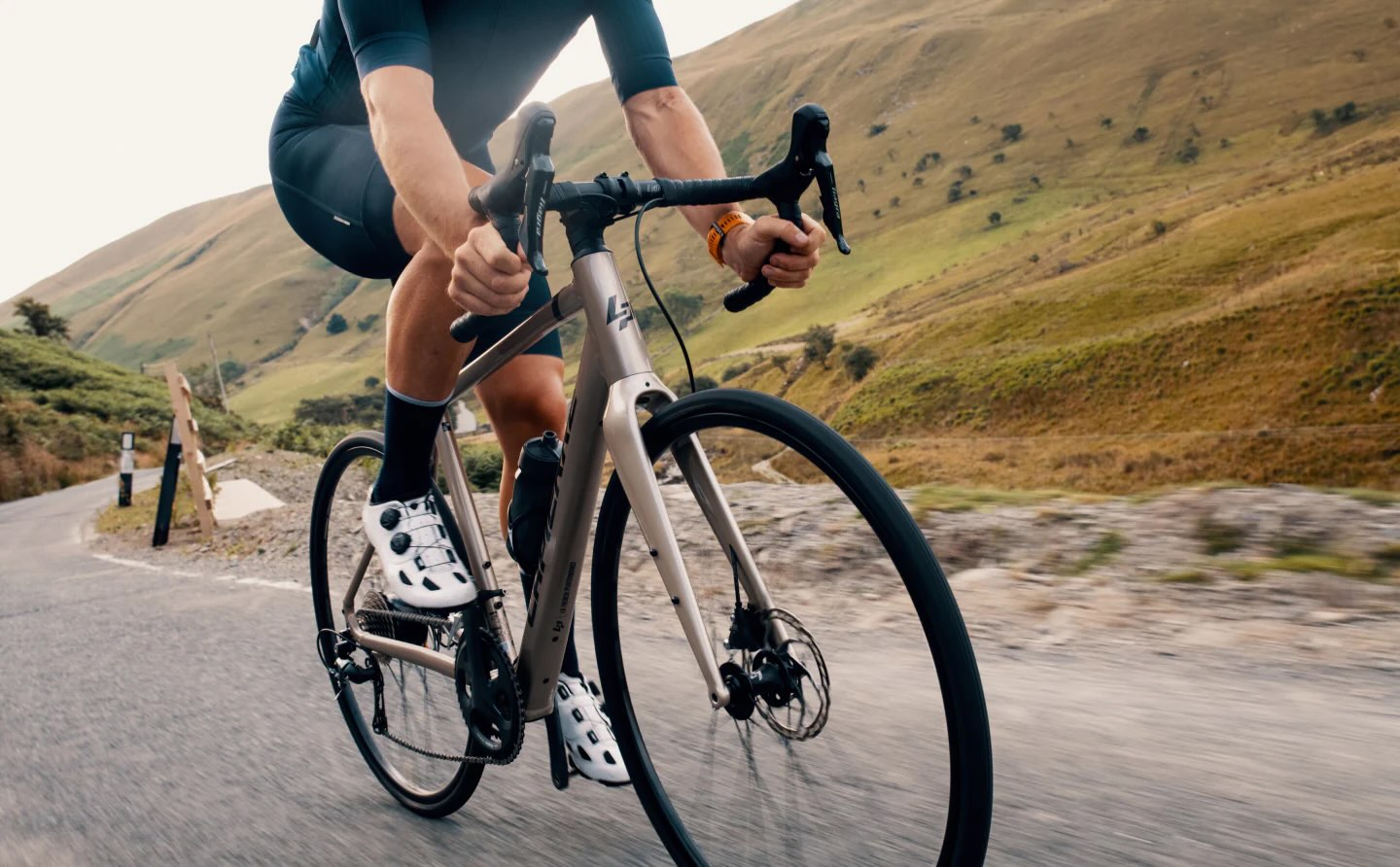
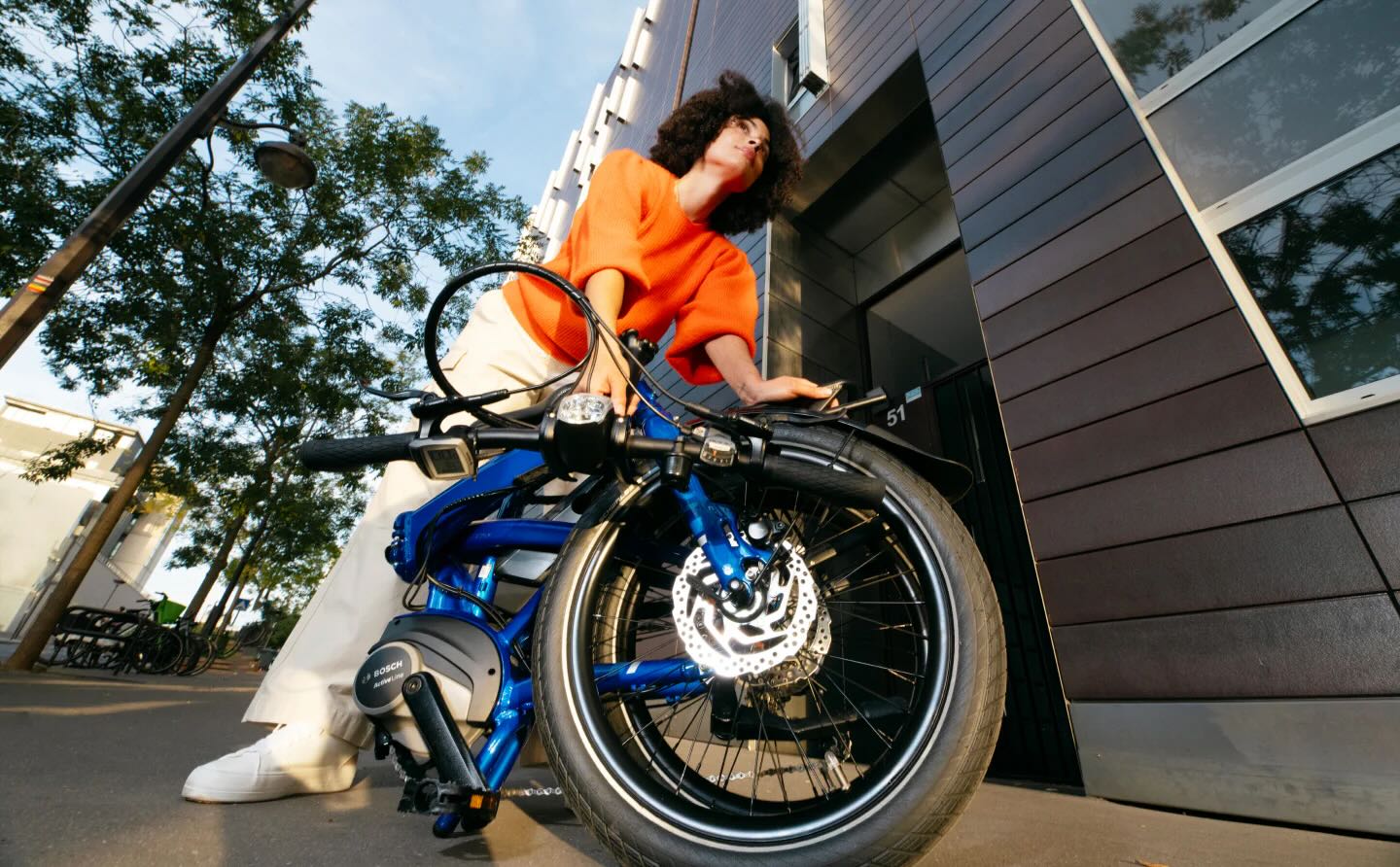
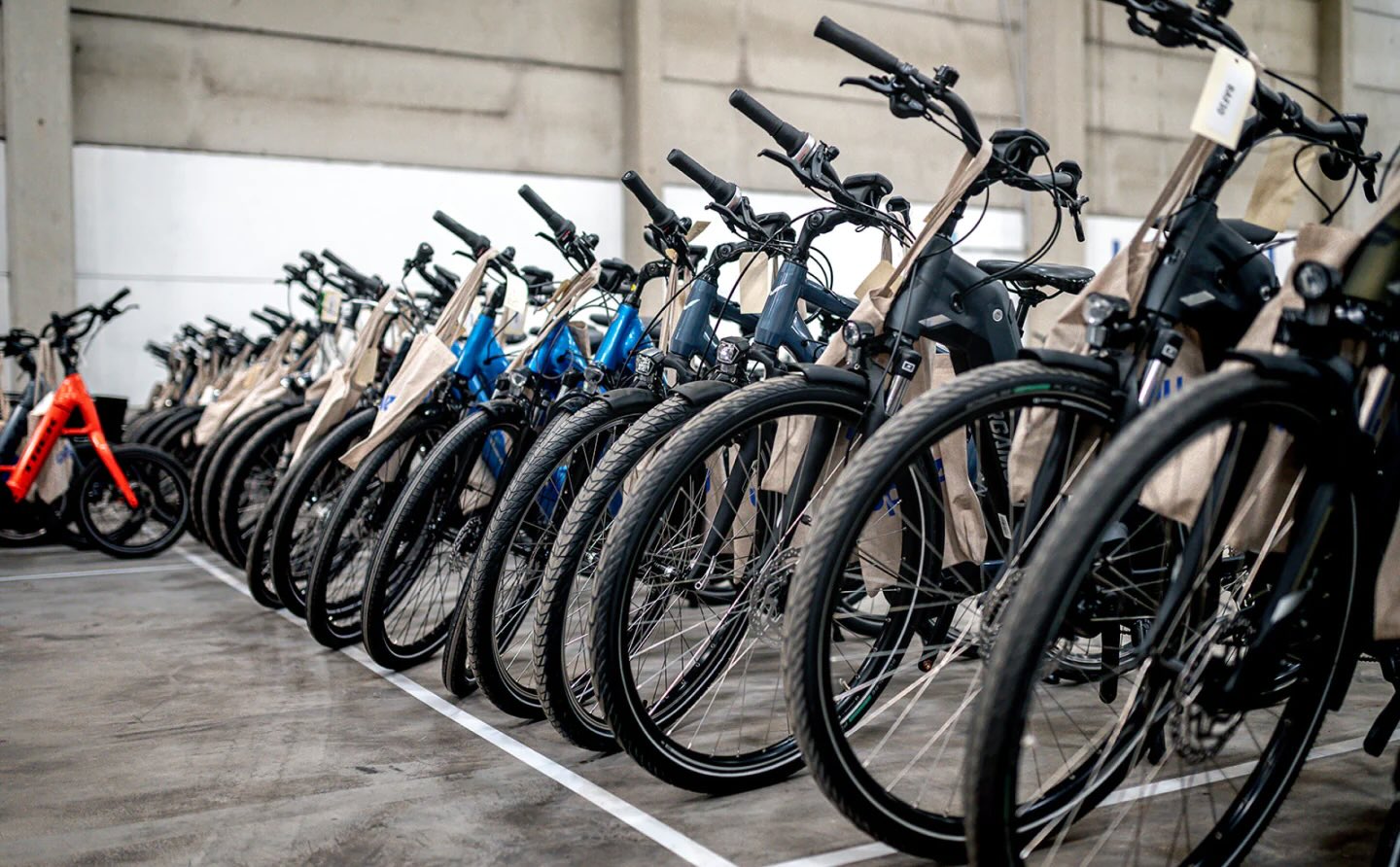
TCD Picks » Upway Spotlight
💡Upway makes it easy to find discounts of up to 60% on premium e-bike brands
|
Do you worry about having toxic forever chemicals in your home?
Click your choice to see results and speak your mind. |
 Majorly 😥
 When water levels drop and temperatures rise, some species cannot survive. Although extreme weather events like droughts or floods have always existed, scientists agree that climate change is making them more powerful and more harmful.
It's not just one hot summer; it's part of a larger, long-term shift.
What can be done about it?
State officials are asking Vermonters to report what they're seeing, so they can better track the impacts.
Towns are urging residents to conserve water wherever possible. Scientists and officials agree that taking action on the changing climate is the only way to reduce long-term risks of more droughts like this one.

Join our free newsletter for good news and useful tips, and don't miss this cool list of easy ways to help yourself while helping the planet.
Cool Picks






