


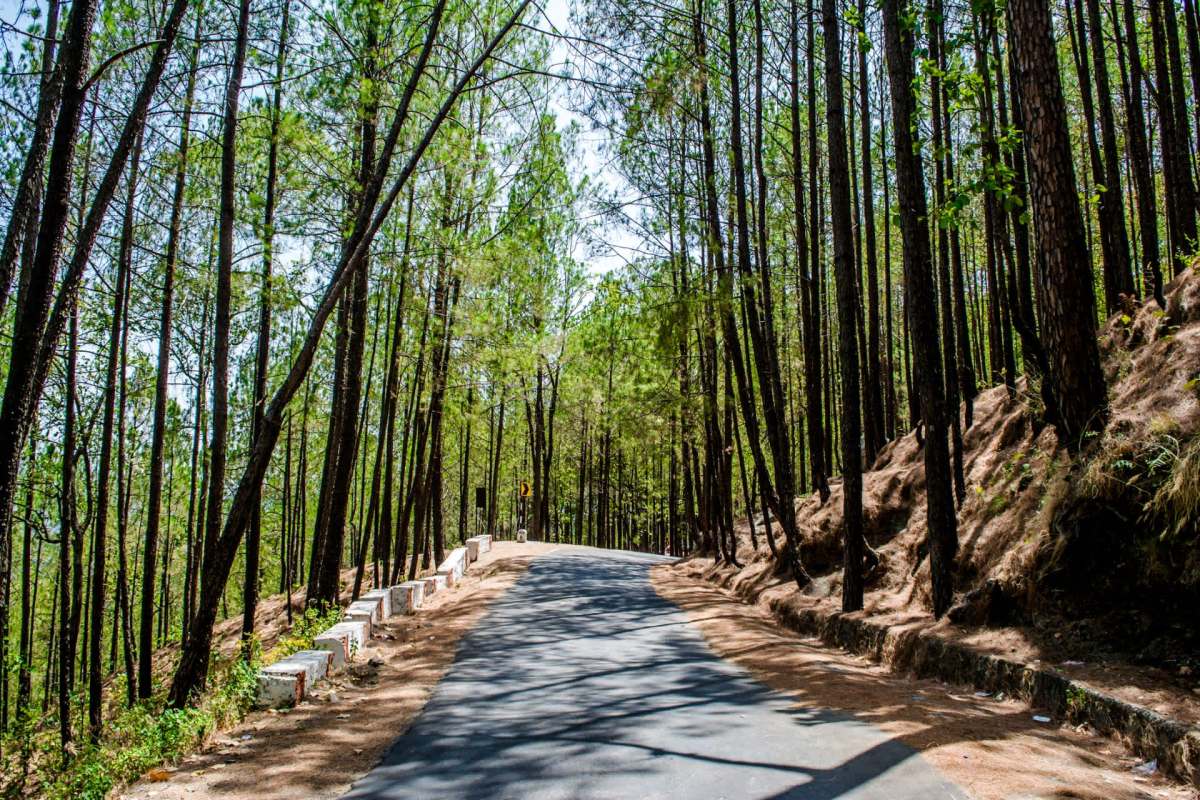
According to the National Herald, officials and researchers say the Indian state of Uttarakhand is experiencing a hydrological drought after an exceptional lack of rain and snow throughout winter.
What's happening?
An unusually dry winter is setting off alarm bells for scientists studying mountain ecosystems across the globe.
Normally, snowfall and seasonal rain help recharge soil, rivers, and glaciers. This year, scientists say those systems are being starved.
Government officials in Uttarakhand estimate crop losses of 15% to 20% in several districts. Because nearly 90% of agriculture in the region relies on rainfall, the lack of moisture has left the soil too dry for seeds to properly germinate.
Glaciologist Manish Mehta of the Wadia Institute of Himalayan Geology warned that without snow accumulation, glaciers are likely to lose more ice than they gain, which is a dangerous imbalance for long-term water security.
Former scientist Jagdish Chandra Kuniyal put it bluntly: "Delayed snowfall may benefit tourism, but it does not help glaciers."
Adding to the concern, sharp temperature swings are creating "false spring" conditions. These fluctuations can trigger premature flowering in fruit trees, leading to poor yields and lower-quality fruit.
Why are winter droughts concerning?
Winter droughts affect crops, but they also threaten entire water systems. Reduced snowpack means less meltwater feeding rivers and reservoirs later in the year, increasing the risk of water shortages for communities downstream.
When dry conditions persist, forests can also become more flammable, raising the likelihood of wildfires that endanger lives, livelihoods, and local economies.
Scientists say this pattern is becoming more common as increasing global temperatures disrupt long-standing weather cycles.
TCD Picks » Quince Spotlight
💡These best-sellers from Quince deliver affordable, sustainable luxury for all




|
What's the most you'd pay per month to put solar panels on your roof if there was no down payment?
Click your choice to see results and speak your mind. |
 $200 or more 💰
 Similar "snow droughts" are unfolding elsewhere, including across the western United States, including Utah and Colorado. In the latter, observing stations have charted record- or near-record-low snow levels in the winter of 2025-2026.
These shifts have real-world consequences, from higher food prices to increased risks for people living in fire-prone regions.
What's being done about these conditions?
In Uttarakhand, emergency teams have been deployed to manage forest fires, while researchers continue tracking snowfall trends and glacier health to better predict future risks.
Ultimately, taking steps to reduce pollution is the most achievable way to slow the rise of global temperatures, which are encouraging troubling weather shifts and exacerbating extreme conditions.
Swapping a gas-guzzling car for an electric one, installing solar panels at home, and using less plastic are among the ways everyone can help deliver a cooler, more stable future — and save money in the process.

Get TCD's free newsletters for easy tips to save more, waste less, and make smarter choices — and earn up to $5,000 toward clean upgrades in TCD's exclusive Rewards Club.
Cool Picks






