


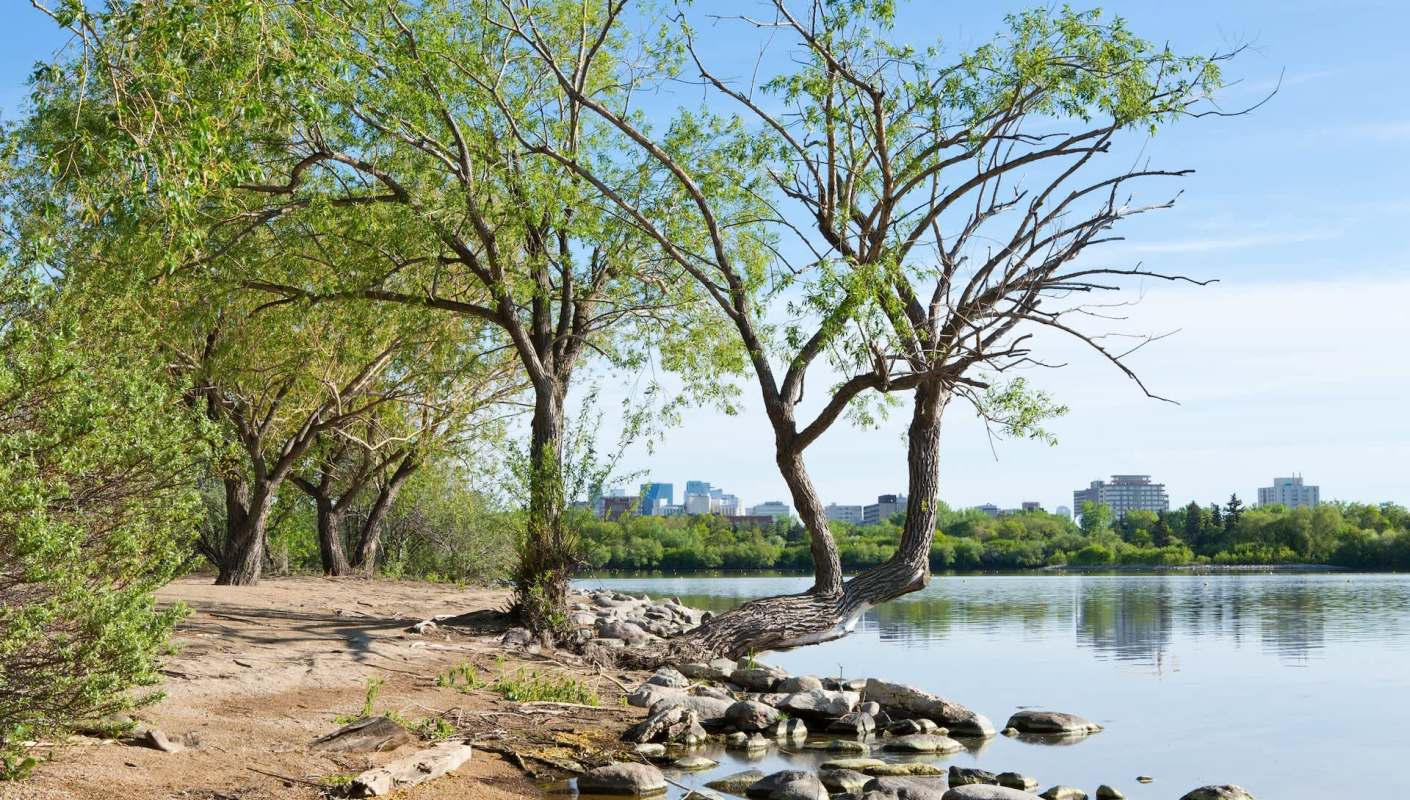
Researchers in Canada have found that the presence of wildlife within cities is increasing, and rising global temperatures may be a contributing factor.
What's happening?
Research in Canada increasingly shows that wildlife is venturing into cities — a trend expected to accelerate as the human-driven climate crisis continues to warm the planet.
One study, based in Regina, Saskatchewan, has been documenting animal activity in and around the city as part of an urban wildlife project. Since 2021, researchers from the Royal Saskatchewan Museum have used 28 monitoring stations across Regina to collect photos and audio recordings of local wildlife, according to CBC.
So far, they've identified 143 bird species and 15 mammal species. The goal is to understand how urbanization affects animal movement. According to researcher Ryan Fisher, the results suggest it isn't having much impact, which is likely because Regina contains an unusually high amount of green space for a city of its size.
A similar pattern has emerged in Saskatoon, also in Saskatchewan. A separate study, led by PhD student Katie Harris, found that moose are becoming increasingly common within city limits, likely due to green spaces providing a ready source of food.
In neighboring Manitoba, a third study explored how the changing climate could drive even more species into urban areas. Warmer temperatures and longer growing seasons may boost food availability in cities, drawing animals closer to human settlements. "There's a particular niche of variables that determine where an animal can live," explained Alex Filazzola, who co-authored the study as per CBC. "If that niche changes as a result of climate change, we would expect the animal to move."
Why is understanding animal movement important?
Habitat destruction and urban expansion are already exacerbating human-wildlife conflict. Understanding what this could look like in the future under different climate scenarios can help us better plan our cities and protect vital habitats, thereby reducing the amount of conflict that occurs and ensuring the protection of wildlife.
Animals straying into human-dense areas can cause problems for both the wildlife and people. Animals that become habituated to the presence of people, especially through feeding, can follow people around or even venture into their homes, leading to dangerous encounters with sometimes deadly wildlife. In these scenarios, animals often have to be euthanized, which is a sad ending all around.
What's being done about protecting urban wildlife?
There are lots of tools that cities can use to protect wildlife. Key approaches include creating urban wildlife corridors that enable animals to pass through the area, enhancing native plant landscapes to provide suitable habitats, and establishing safe crossings, such as tunnels or overpasses, near highways.
All of these approaches help to reduce human-wildlife interactions and promote co-existence for a safer, cleaner future.
TCD Picks » Quince Spotlight
💡These best-sellers from Quince deliver affordable, sustainable luxury for all




|
Do you think your city has good air quality? Click your choice to see results and speak your mind. |
 Definitely 🥰
Join our free newsletter for good news and useful tips, and don't miss this cool list of easy ways to help yourself while helping the planet.
Cool Picks




