


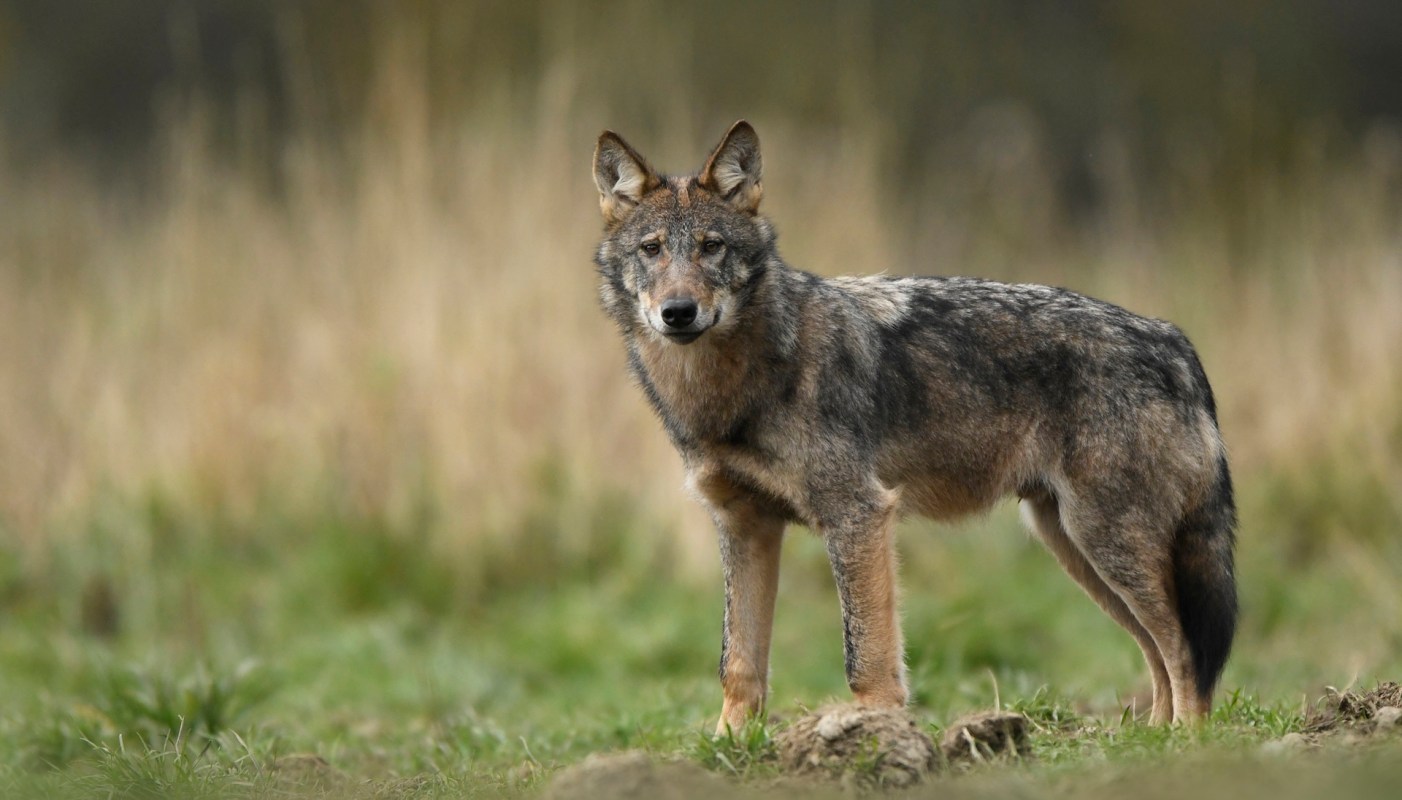
Wild animals that once avoided cities are increasingly appearing in urban neighborhoods — and experts say it's a sign of deeper environmental problems pushing wildlife closer to humans.
What's happening?
Since the start of 2026, foxes have been spotted across several densely populated areas of Athens — including Kolonaki, one of the city's busiest districts — along with a rare wolf sighting in a suburb.
During one incident, a fox was filmed approaching people and trying to steal a bag of food, Tovima reported.
@maria_ourailidi Δεν είναι ai το ορκίζομαι !!! #fox #kolonaki #fy #dontdothis #nightout ♬ do dis do dat - 𝐁𝐑𝐔 ✞
While fox populations exist in surrounding hills, sightings inside the city are unusual — and wolf appearances are even rarer.
Researchers said most of these animals were likely descending from nearby mountain ranges in search of food.
Why are these sightings concerning?
Urban wildlife encounters like these point to deeper environmental pressures.
Habitat loss, expanding development, and changing ecosystems are making the space and resources that animals rely on scarce, forcing them closer to human communities.
When predators venture into cities, whether it's bears rifling through trash cans or mountain lions wandering through neighborhoods, it raises safety concerns for residents.
It's also dangerous for the animals — if a wild animal harms someone, even if provoked, it may be euthanized.
Wildlife sightings in urban areas also signal that natural buffers like forests, which normally keep wildlife away from populated areas, are disappearing. That can put people in communities near natural areas at risk and ultimately threatens wildlife populations.
TCD Picks » Upway Spotlight
💡Upway makes it easy to find discounts of up to 60% on premium e-bike brands





|
Which of these savings plans for rooftop solar panels would be most appealing for you?
Click your choice to see results and speak your mind. |
 Save $1,000 this year 💸
 Greece's wolf population has fluctuated dramatically.
Until the 1920s, grey wolves roamed as far south as the Peloponnese. But their numbers declined with urbanization, reduced prey populations, and aggressive hunting after they were classified as harmful animals.
Protections introduced in 1998 helped their populations recover, although wolves were downgraded from "strictly protected" to just "protected" status in 2025.
The fact that they're venturing into suburbs suggests that their natural habitats aren't providing sufficient resources.
What's being done to protect wildlife habitats?
Local authorities are monitoring sightings and encouraging residents to avoid behaviors that attract wildlife, such as leaving food scraps outside or feeding stray animals.
Residents can also help by securing trash and reporting sightings to local wildlife services.
In the long term, experts stressed the importance of protecting natural habitats and restoring wildlife corridors that allow animals to move safely without passing through cities.
Reducing urban sprawl, preserving protected habitats, and improving waste management can all help limit human-wildlife encounters.
Individuals can support conservation by backing policies that protect natural spaces.
Supporting habitat restoration projects also helps make sure wild animals have the resources they need without venturing into neighborhoods.

Get TCD's free newsletters for easy tips to save more, waste less, and make smarter choices — and earn up to $5,000 toward clean upgrades in TCD's exclusive Rewards Club.
Cool Picks






