


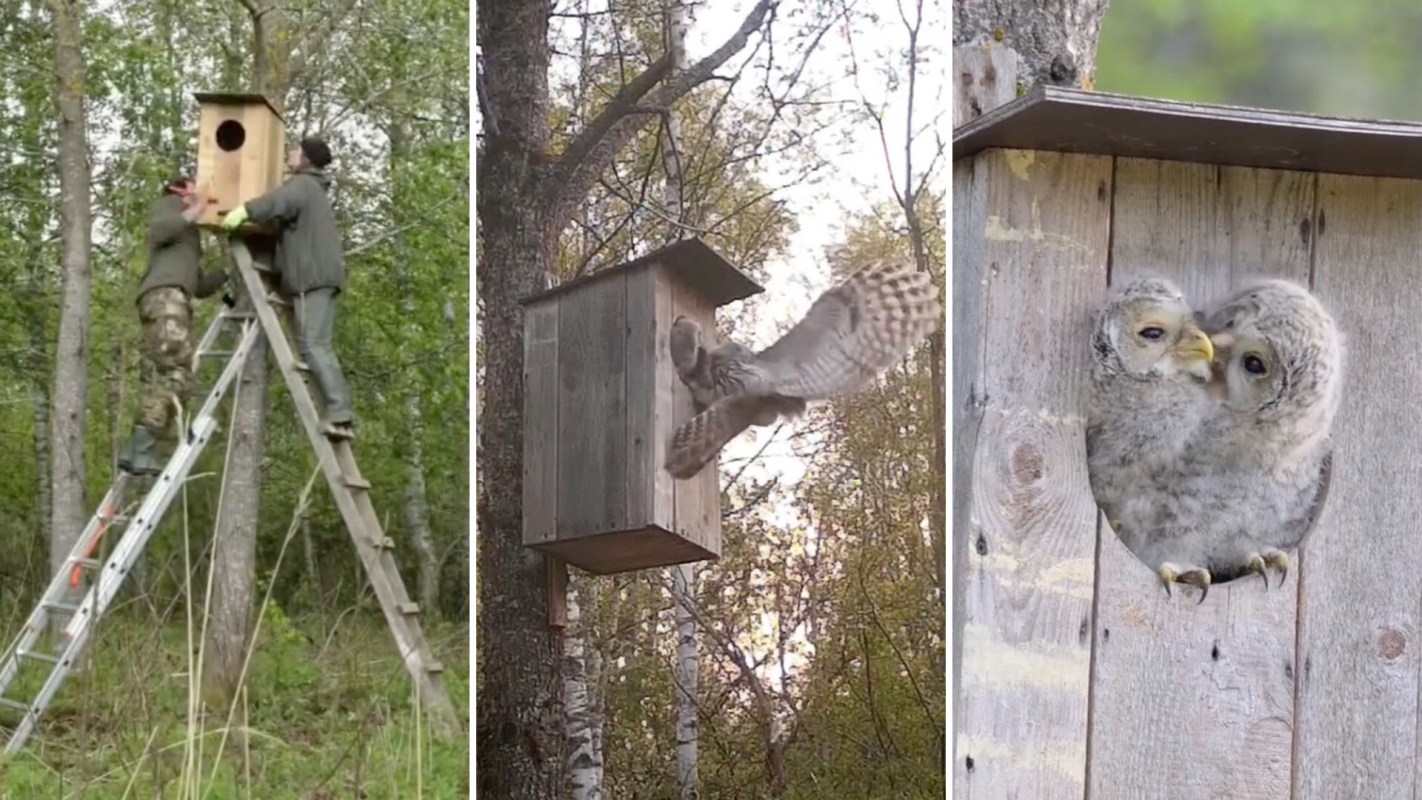
A nest box in Estonia that sat waiting for years has finally become a nursery for one Ural owl family.
An early August Instagram post captures three downy owlets at the opening, underscoring a small conservation success built on patience, habitat support, and hope.
What happened?
On August 6, the creator behind Klaas Huwel (@firstklaasphotography) shared a post showing young Ural owls in an Estonian nest box.
The Instagram reel shows the owlets huddled together and looking out from the wooden cavity, offering a rare close-up look at a successful breeding season.
In the caption, the creator explained how long the moment had been in the making: "Four years ago, we installed this Ural Owl nest box and hoped that one day it might become home to a breeding pair."
After that long wait, the nest box was finally put to use.
TCD Picks » Quince Spotlight
💡These best-sellers from Quince deliver affordable, sustainable luxury for all




The caption says a breeding pair nested in the box and successfully raised three owlets there.
The long-awaited success of the box sparked hope in one commenter, who wrote, "So lucky! I won't give up hope on the box I have for owls! It's been two years."
Why does it matter?
For birds that rely on cavities for nesting, a safe and suitable shelter can make the difference between a failed breeding season and a thriving one.
When older trees with natural hollows become harder to find, well-placed nest boxes can help fill that gap.
Owls are part of healthy local ecosystems, and they help keep small mammal populations in balance. Supporting species like the Ural owl can strengthen biodiversity in ways that benefit landscapes, farms, and communities alike.
What can I do?
Nest boxes, when properly designed for native species and installed in suitable places, can give wildlife more opportunities to breed successfully.
The first step is to learn which species are native to an area and what kind of habitat they need.
Not every bird should use the same box — and not every location is safe — so guidance from local wildlife groups or conservation experts is important.
People can also protect mature trees when possible, support land conservation organizations, avoid disturbing nesting sites, and keep pets away from sensitive wildlife areas.

Get TCD's free newsletters for easy tips, smart advice, and a chance to earn $5,000 toward home upgrades. To see more stories like this one, change your Google preferences here.







