


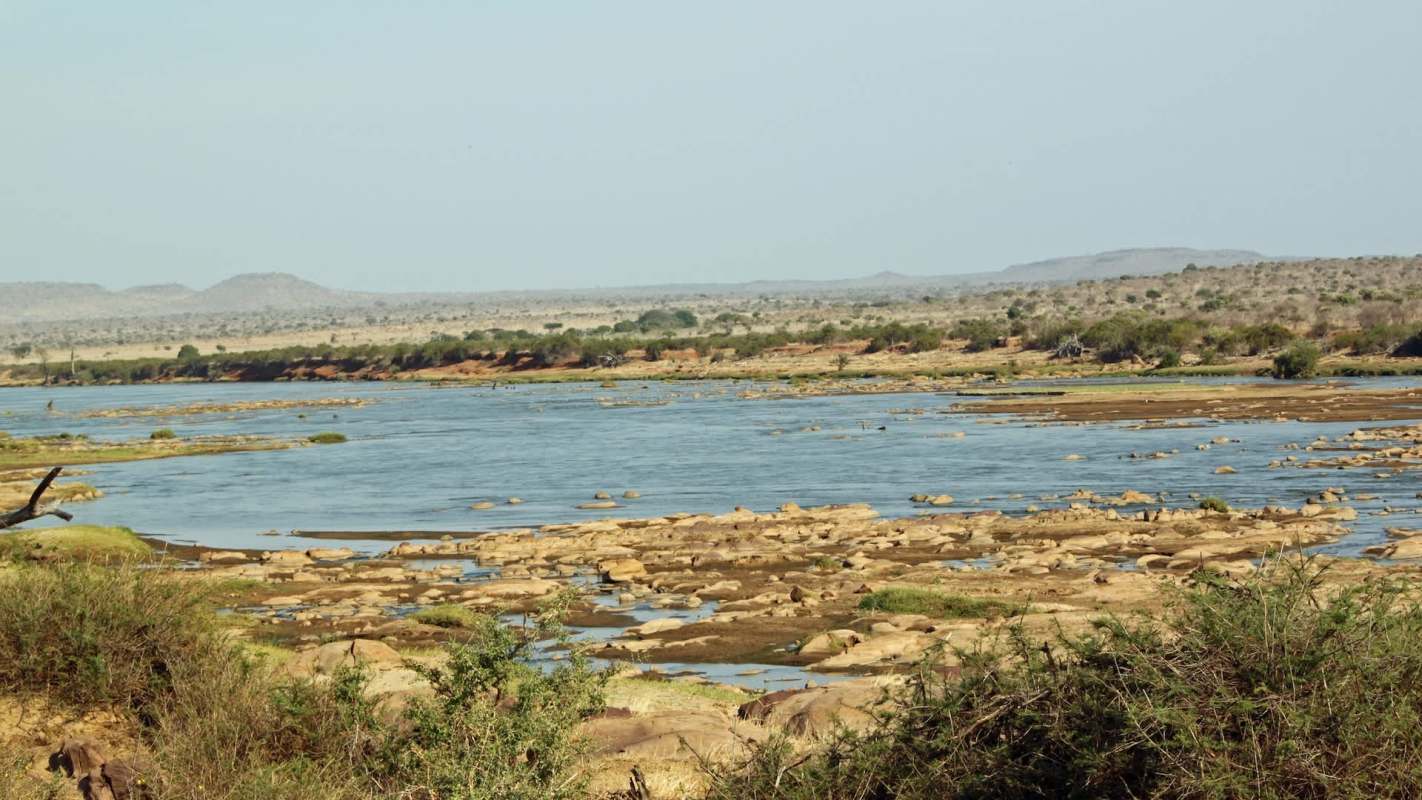
Dozens of elephants in Kenya's Tsavo ecosystem have died after drinking from a river choked with plastic and chemical waste, based on new findings from the Wildlife Research Training Institute, according to The Standard.
What's happening?
Researchers say the Tsavo River, the main water source for Tsavo East and Tsavo West national parks, has become dangerously polluted, killing roughly 50 elephants in 2022.
The pollution stems largely from waste dumped along the nearby Mombasa-Nairobi Highway, where truck drivers and local businesses have discarded plastics, oil, and other refuse directly into drainage channels that feed the river.
WRTI Director Fredrick Lala warned that the contamination now extends downstream into the Indian Ocean. "Marine life is in danger due to massive degradation," Lala said, per the Standard.
The Kenya Wildlife Service has blamed motorists for worsening conditions around the river and has pledged stricter enforcement against illegal dumping in wildlife areas.
Why is Tsavo River pollution important?
The Tsavo River sustains one of Africa's largest protected wildlife areas, supporting elephants, lions, zebras, and countless bird and aquatic species. But its pollution doesn't stop at park borders. The river eventually joins the Athi and Galana rivers, which flow into the Indian Ocean, a critical fishing and tourism region for coastal communities.
Plastic and toxic runoff threaten not only the health of wildlife but also the livelihoods of people who depend on clean water and healthy marine ecosystems.
Kenya's coastline supports coral reefs, mangroves, and fisheries that help feed millions. When those systems absorb microplastics or contaminated sediment, the damage ripples through the food web.
What's being done about the pollution?
Kenyan authorities have announced new crackdowns on waste dumping along highways and within protected zones. Conservationists are urging stronger waste management systems, especially for long-distance transport routes where littering is common.
Community-led cleanups and recycling initiatives are already gaining ground across Kenya, including along the Athi River, offering a model for restoring Tsavo's waterways. Similar restoration projects, such as the river cleanup campaigns around Nairobi and coastal mangrove planting programs, show how local action can reverse years of pollution.
Protecting rivers like Tsavo isn't just about saving elephants; it's about securing clean water, food security, and economic stability for the people and species who depend on them.
|
How concerned are you about the plastic waste in our oceans? Click your choice to see results and speak your mind. |
 Extremely 😫
Join our free newsletter for good news and useful tips, and don't miss this cool list of easy ways to help yourself while helping the planet.
TCD Picks » Quince Spotlight
💡These best-sellers from Quince deliver affordable, sustainable luxury for all




Cool Picks






