


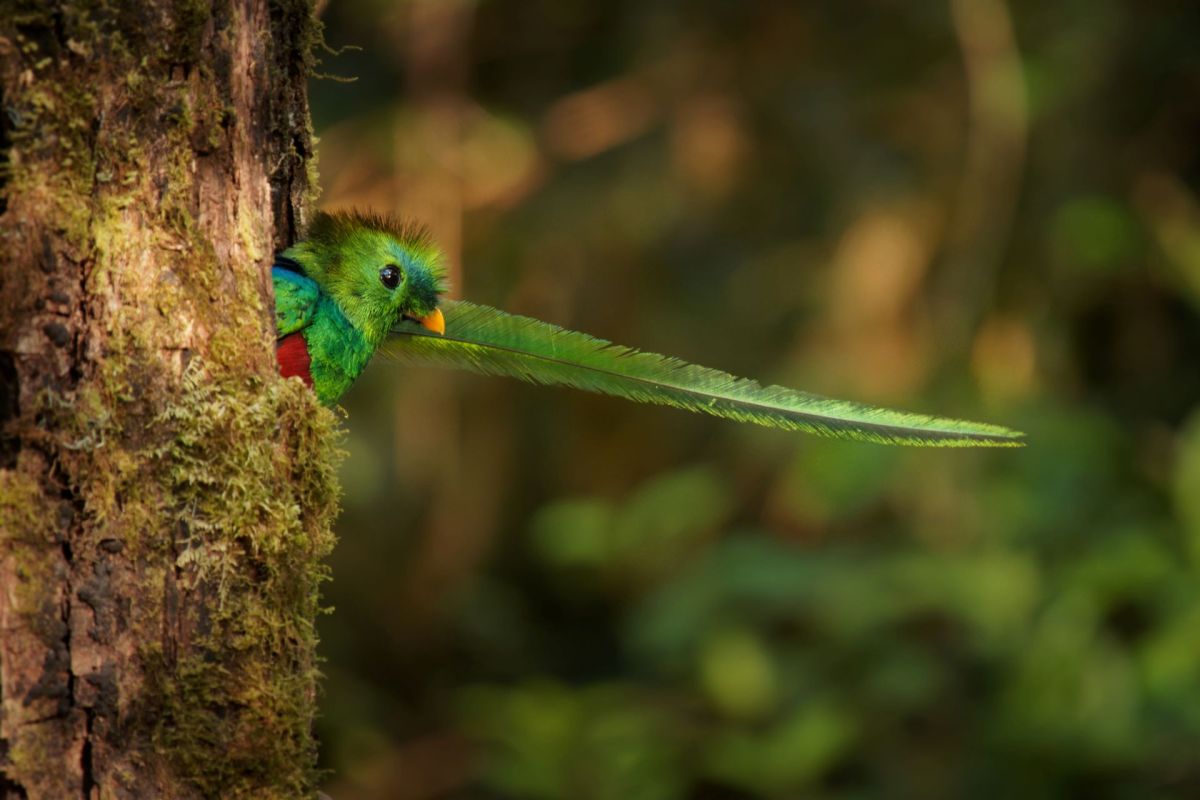
A new study has revealed a startling side effect of rising global temperatures. According to reports by the Straits Times, tropical bird populations are experiencing significant declines due to extreme heat.
What's happening?
Published in the journal Nature Ecology & Evolution, new research findings show that deforestation isn't the only change impacting bird populations. As countries continue to rely on dirty energy, pollutants are entering the atmosphere and causing temperatures to increase. For bird species, especially those in the tropics, the extreme heat is threatening their survival.
While previous studies have analyzed the impact of other factors threatening bird populations, such as deforestation, pesticide use, and invasive species, there has not been as much research isolating extreme heat, as the Times noted.
In the new study, the team of researchers evaluated more than 3,000 bird populations across the globe to identify the impact of extreme heat on diverse bird species, as the authors reported in the Conversation.
"The findings are pretty stark," lead author Maximilian Kotz, a researcher at the National Supercomputing Centre in Barcelona and the Potsdam Institute for Climate Impact Research, told AFP, per the Times.
According to the study, increasing temperatures have led to a 25-38% decrease in tropical bird populations between 1950 and 2020, compared to a modeled scenario without human-driven temperature increase.
Why is the new research important?
During the mid-20th century, the tropics experienced three days of extreme heat per year. Now, those regions endure 30 days of extreme heat per year, according to Kotz, per the Times. That jump in extreme heat has major consequences for tropical bird species, including both heat stroke and dehydration.
Declining global bird populations have numerous consequences. Birds provide important services such as controlling insect pests and pollinating plants, which can be significant for human food crops.
When bird populations decline, it also threatens biodiversity. What's more, population changes don't just impact one species; they can trigger a domino effect within food webs. Declining bird populations can offset the balance of entire ecosystems.
What's being done about declining bird populations?
By analyzing the impact of extreme temperatures on bird populations, scientists are providing the necessary evidence that reveals a reason why bird populations are decreasing. The new research ultimately highlights the "urgent need to reduce greenhouse gas emissions, to conserve the remaining biodiversity," noted the researchers in the Conversation.
TCD Picks » Quince Spotlight
💡These best-sellers from Quince deliver affordable, sustainable luxury for all




|
Do you think your city has good air quality? Click your choice to see results and speak your mind. |
 Definitely 🥰
 Moving forward, more research is needed so conservationists can better understand how to protect fragile bird populations from rising global temperatures.
"We need long-term datasets like the authors used to understand how extreme temperatures impact avian populations." Dr. Aimee Van Tatenhove, a post-doctoral fellow at Cornell University's Center for Avian Population Studies, said, per the Straits Times.
Though she was not a part of the study, she explained her thoughts on the research: "This study is an important reminder that we need to continue examining different causes of population declines and apply those findings to conservation initiatives."

Join our free newsletter for good news and useful tips, and don't miss this cool list of easy ways to help yourself while helping the planet.
Cool Picks




