


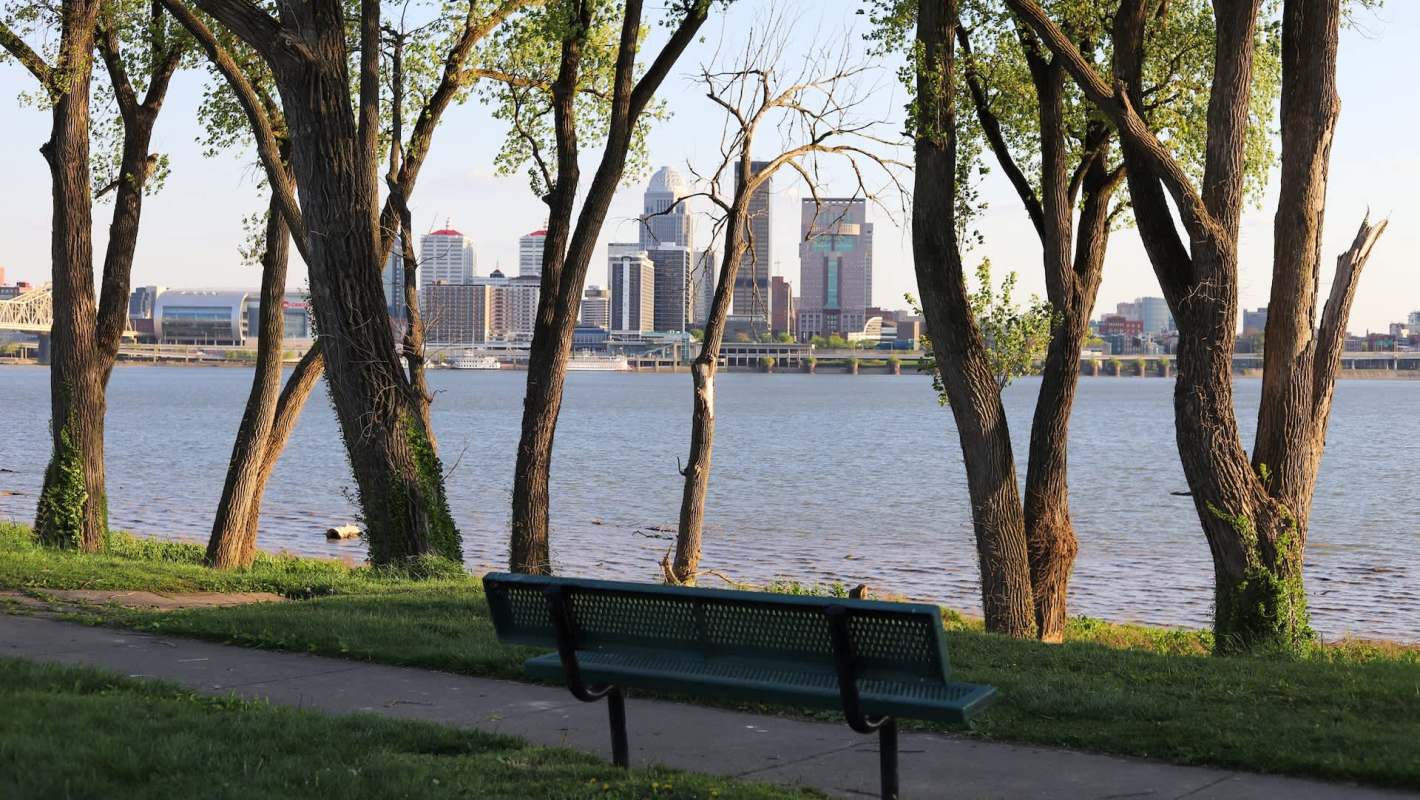
A Louisville, Kentucky, nonprofit called TreesLouisville is planting trees from southern states in city parks, betting that species from hotter regions will thrive as temperatures climb in the Ohio River Valley, reported Inside Climate News.
The group has distributed 25,000 trees for planting over the past 10 years. Its mission centers on improving life in Louisville's neighborhoods, where tree cover ranges from below 5% in some areas to over 70% in others.
The nonprofit grew out of a wake-up call about 15 years ago, when Georgia Tech professor Brian Stone found that Louisville had one of the country's worst problems with elevated urban temperatures, with annual tree losses reaching around 54,000.
TreesLouisville was formed a decade ago in response. Interns from the University of Louisville then helped steer the group toward a practice arborists call "assisted migration," motivated by worries about a warming planet.
Mike Hayman, the group's special projects manager and a retired newspaper photographer, spearheaded the program. His longstanding relationships with growers in the South made for a smooth transition.
This past winter, the group shipped in 60 saplings from Arkansas and Georgia. The species, including bur oaks, Caddo sugar maples, Southern black gums, and water hickories, all come from places with higher heat and humidity, or wilder swings between warm and cold, than Louisville sees today.
The logic is simple: If these trees thrive in Georgia and Oklahoma right now, they should be suited to Louisville's conditions in the decades ahead. Climate Central projects Louisville's summers could run close to 8 degrees hotter over the next 60 years, with conditions by 2060 similar to those in Memphis, Tennessee, today.
Trees in cities do a lot of heavy lifting for the people around them. They absorb rainfall that would otherwise overwhelm storm drains, provide cooling shade, and filter pollutants from the air. But rising temperatures and harsher weather are stressing urban canopies everywhere.
Researchers are closely monitoring programs like this. Christopher Riely, a forestry researcher at the University of Rhode Island, is involved in a U.S.-Canadian effort examining how wooded areas respond to warming temperatures across 14 locations from the East Coast to British Columbia.
"We need to test it, and that's what we're doing to see how well it works," Riely told Inside Climate News. "There's a lot about climate change that's depressing, and with forest adaptation, forests have the potential to be part of the solution, keeping them around for their climate benefits, but also, they're stressed by climate themselves, so [we're] trying to help them adapt."
TCD Picks » Quince Spotlight
💡These best-sellers from Quince deliver affordable, sustainable luxury for all




|
Which of these savings plans for rooftop solar panels would be most appealing for you?
Click your choice to see results and earn rewards to spend on home upgrades. |
 Save $1,000 this year 💸
 The group intends to track every one of those 60 trees going forward, recording growth, soil conditions, and local weather. Down the road, they want to reproduce the best performers through seed harvesting and graft work, with the goal of building a local nursery market for heat-ready tree stock.
At 79, Hayman has spent decades championing tree planting in Louisville. He's encouraged by the progress but wants things to move faster: "I'm 79 years old. I'd like it to speed up."

Get TCD's free newsletters for easy tips to save more, waste less, and make smarter choices — and earn up to $5,000 toward clean upgrades in TCD's exclusive Rewards Club.
Cool Picks






