


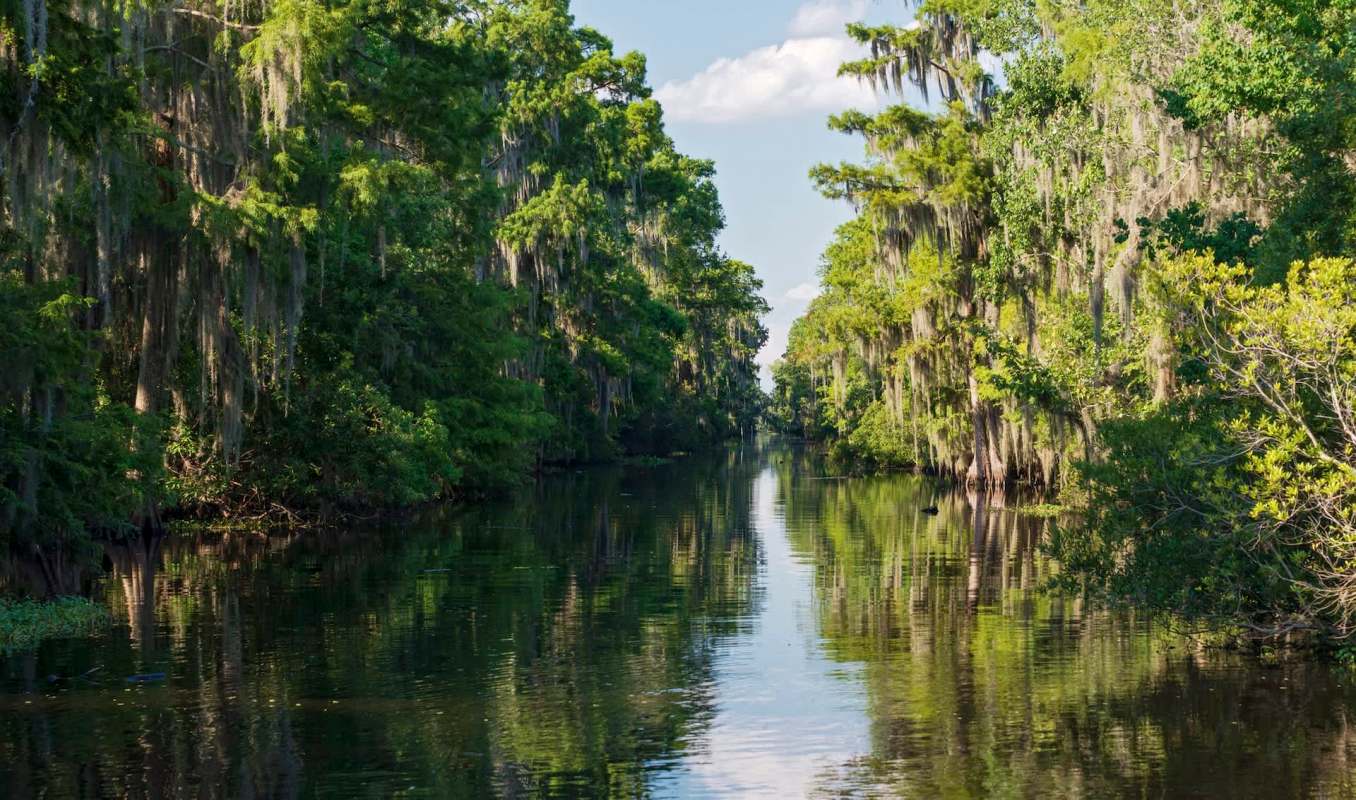
Fish that were thought to be eliminated from Port Sulphur waterways in Louisiana have unexpectedly returned, reported The Times-Picayune.
What's happening?
Tilapia, a fish often found on dinner plates, has reappeared in Port Sulphur canals after wildlife officials thought they had gotten rid of them in 2009.
A New Orleans scientist caught several young tilapia while doing research, finding them up to six miles from his starting point.
These fish first got into local waters about two decades ago from a fishing pond owned by Freeport-McMoRan, a mining company, probably during flooding from Hurricane Katrina. After wildlife teams spotted them in local canals, they spent over $1 million on a cleanup using a chemical called rotenone that wiped out all fish in the area, including local ones.
"We came really close to the holy grail of invasive species management, which is eradication. I feel like we really almost did it," said Michael Massimi, who works with the Barataria-Terrebonne National Estuary Program.
Why are invasive fish concerning?
When non-native fish swim into new waters, they displace local fish by eating their food and taking over their habitats. Tilapia cause trouble because they can live almost anywhere, breed quickly, and gobble up whatever food they find.
"If this thing kept going in 2009, the tilapia would eventually have gotten through to the estuary. They'd be getting into other habitats and they would be displacing our native fishes," said Martin O'Connell, who directs the Nekton Research Laboratory at the University of New Orleans.
"All the shrimp and all the baby crabs, they'd be sucking them down like popcorn."
When newcomer fish change underwater food chains, they hurt wildlife numbers and the money earned by folks who fish for a living. In African waters, like Tanzania, where tilapia were released by people, the fish outcompeted local species.
For folks in the area, a wider tilapia spread could ruin both weekend fishing trips and the income of those who catch fish, shrimp, and crabs for a living. When we protect local fish, we safeguard not just nature but also our food sources and jobs.
TCD Picks » Quince Spotlight
💡These best-sellers from Quince deliver affordable, sustainable luxury for all




What's being done about invasive fish?
O'Connell wants another cleanup before the fish spread further, but Chris Schieble from Louisiana's wildlife department thinks watching the marsh closely makes more sense.
The first cleanup cost between $500,000 and $1 million, with the bill paid by Freeport-McMoRan. Nobody knows who would pay if a new control plan is needed.
If you live close to any body of water, never dump pet fish or plants from your tank into lakes, ponds, or rivers. Fish that seem harmless in a tank can cause problems in open water. Tell your state wildlife office if you spot unusual fish in the water.
Choose local fish and plants for your own water features. Native creatures boost your nearby ecosystem, creating healthier surroundings for everyone.

Join our free newsletter for good news and useful tips, and don't miss this cool list of easy ways to help yourself while helping the planet.
Cool Picks






