


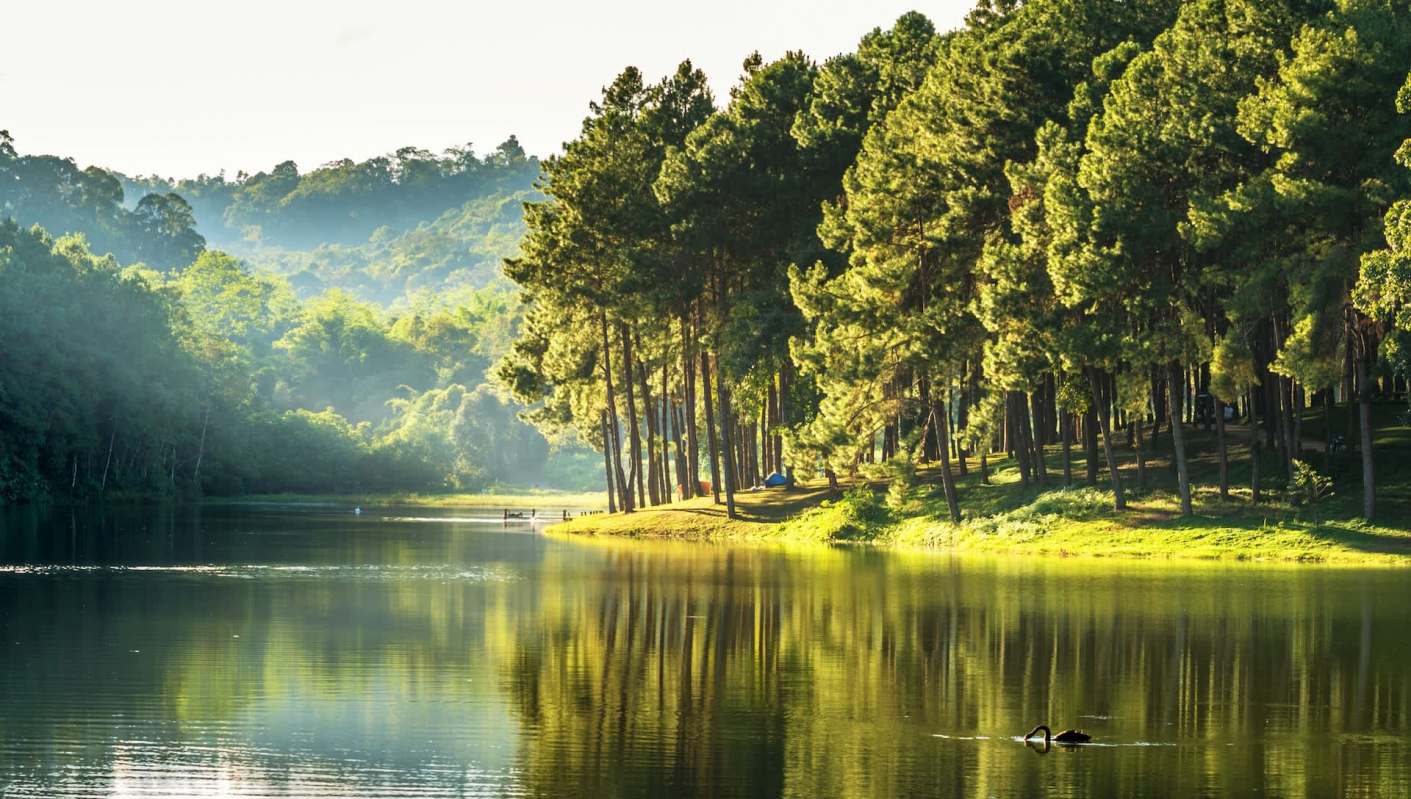
Conservation efforts are working to bring back tigers to Thailand, according to Mongabay.
Organizations including the conservation nonprofit Panthera are observing tigers as they return to the Western Forest Complex region. Other nonprofits, such as World Wildlife Fund, have spent millions of dollars to bring tigers back to this lush, green area.
As Luke Hunter, executive director of the Wildlife Conservation Society big cats program, told Mongabay: "You can bring tigers back. You can catalyze recovery. And we're still in the early stages of it in most places, but we see it's possible."
Recent successes show us that you can bring tigers back, says WCS's Luke Hunter. "You can catalyze recovery. And we're still in the early stages of it in most places, but we see it's possible."https://t.co/kk84Q0kwkD
— WCS (@TheWCS) December 18, 2025
Hunter also said that government support is key to this work. Without land and monetary investments, it's difficult to commit to this action.
In an IUCN report about Panthera tigris, lead author Hunter and others said that organizations need to work on their shared conservation plans and actions. The tiger is considered extinct in over 20 countries and regions.
Research has been conducted in Thailand as well as India, Nepal, and Russia to get a better idea of tigers' ecological habits. Scientists have focused on diet, habitat use, and interactions with other carnivores.
According to WWF, the organization is fighting to phase out tiger farms. These farms keep tigers in captivity and aren't a part of conservation efforts. Thailand has been investigating such facilities, and WWF hopes other Asian countries will follow through on investigations.
When tiger populations are at healthy levels, they effectively contribute to biodiversity, as the WWF also says. They help keep grazing populations in check so herbivores don't overgraze and so plants in the area are abundant. Resulting biodiversity can affect how well our food supply chains are protected.
The forests tigers live in also store carbon and protect watersheds for about 830 million people. Protecting their land means spending less money on cleaning pollution out of the air and filtering water.
Prawut Prempree, founding chief of the national parks department's Si Sawat Corridor, told Mongabay about the land's present and future.
TCD Picks » Quince Spotlight
💡These best-sellers from Quince deliver affordable, sustainable luxury for all




"I'm touched by the condition of the forest and how fertile it is," Prempree said. "Higher tiger numbers — that is our hope."
|
Do you think America does a good job of protecting its natural beauty? Click your choice to see results and speak your mind. |
 Definitely 👍
Get TCD's free newsletters for easy tips to save more, waste less, and make smarter choices — and earn up to $5,000 toward clean upgrades in TCD's exclusive Rewards Club.
Cool Picks






