


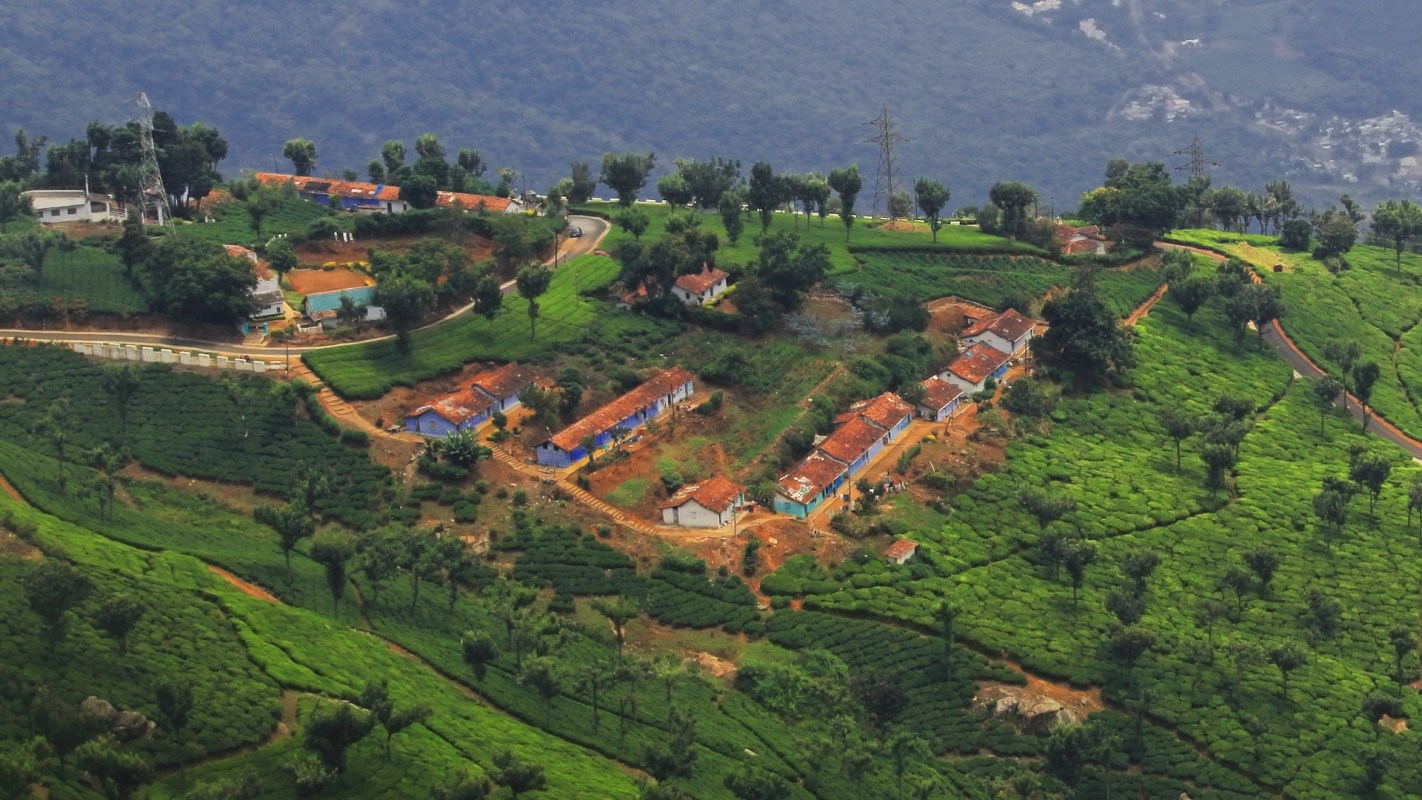
Residents of several villages in southern India are living in fear after a trap camera spotted a large tiger wandering the nearby forests.
What happened?
According to The Times of India, locals have repeatedly reported seeing the tiger roaming along the forest border in villages throughout the Mudigere region of Karnataka.
Farmers and ranchers have noted a rise in cattle attacks, with one cow being killed in the Bharathibail village.
"Ever since we heard about the tiger, no one has the courage to step into the fields," Ramasrey, a villager, told the Times in a separate article about tiger sightings in the Sitapur district located in northern India.
The increased activity has prompted action by local forest department authorities, who have installed a trail camera and conducted unscheduled inspections to ensure public safety.
Farmers in nearby villages — including Bharathibail, B Hosahalli, Doddalla, Hebbalagadde, Hokkalli, Pandavaratta, and Talavara — have reported being hesitant to work in the fields due to frequent tiger sightings, hampering the production of certain crops.
Why is the tiger sighting concerning?
Tiger sightings in rural India are becoming increasingly common, especially near tiger reserves, as development, roads, and agriculture push the animals closer to human habitats in search of food and shelter.
Mudigere is located in the Western Ghats, a mountain range recognized as a global biodiversity hotspot, home to endangered species such as tigers and elephants. Given the presence of several tiger reserves in the region, it's unsurprising that locals report seeing the animals; however, the increased activity is concerning.
India's successful conservation efforts since the early 1970s have enabled tiger populations to flourish, with an estimated 30% living outside formal reserves, according to scientists at the Wildlife Institute of India, as The Times of India reported.
However, as the outlet explained, these free-roaming tigers increase the likelihood of human-wildlife conflicts, prompting forest officials to increase monitoring of the animals and, at times, to capture and relocate them if they pose a threat to communities.
TCD Picks » Quince Spotlight
💡These best-sellers from Quince deliver affordable, sustainable luxury for all




|
Would you feel safe living close to a nuclear power plant? Click your choice to see results and speak your mind. |
 Absolutely ✅
 Habitat loss, pressures from human development, food shortages, and changing ecosystems resulting from rising global temperatures are driving tigers out of forests and into human-inhabited areas. Since farms and villages often have livestock, they provide easy prey for tigers, according to Sleepy Classes.
In rural communities that depend on farming for food and livelihoods, venturing into the fields, even when a tiger is present, is necessary but can have deadly consequences.
Mongabay reported that tigers have killed some villagers and left others disabled, leaving behind both mental and physical scars for survivors.
What's being done to protect residents?
The Times of India reported that forest officials have reassured villagers after announcing they would be "closely monitoring the tiger's movement" and plan to capture and relocate the animal deeper within the forest.
As Sleepy Classes noted, camera traps, GPS tracking systems, and community education initiatives can help protect both tiger populations and humans, ensuring healthy coexistence. But this will require more funding to expand tiger habitats and reserves to keep the animals away from villages.
Officials have urged residents to remain alert and cautious, avoid going outdoors at night, and report any sightings to the forest department.

Get TCD's free newsletters for easy tips to save more, waste less, and make smarter choices — and earn up to $5,000 toward clean upgrades in TCD's exclusive Rewards Club.
Cool Picks






