


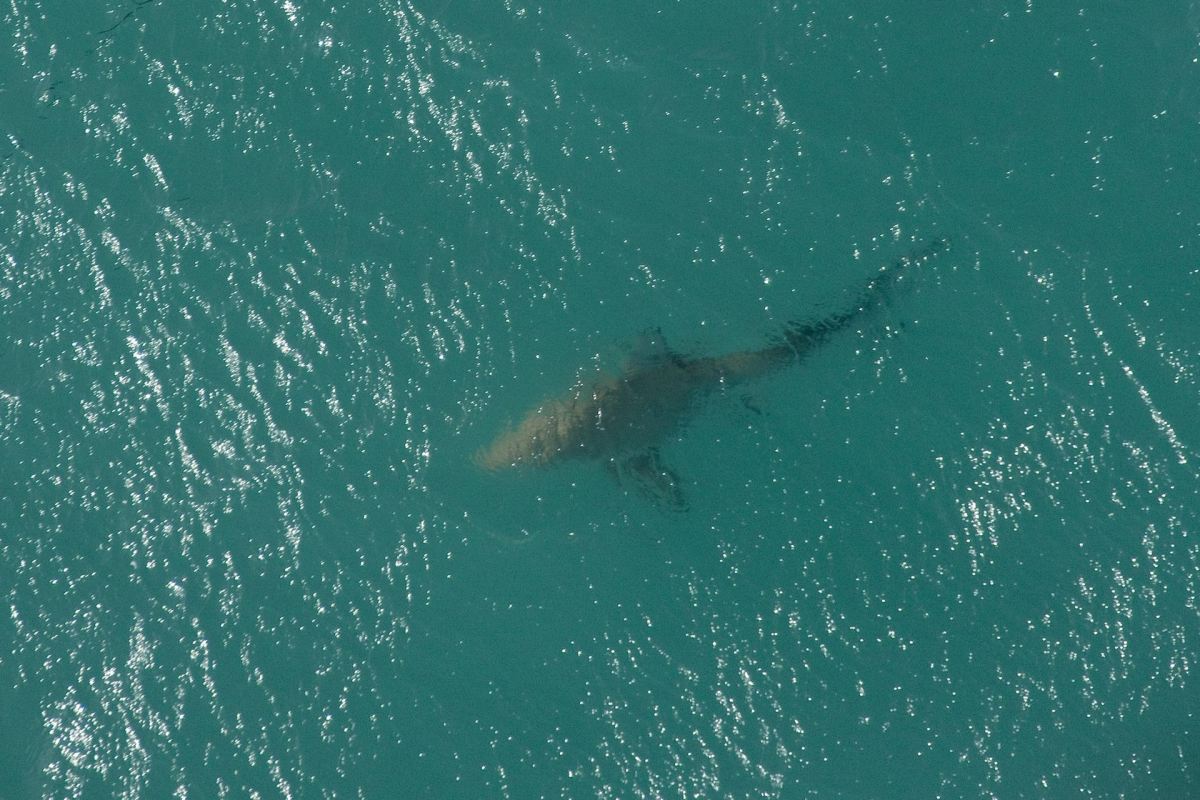
A pet dog wading in shallow ocean waters received a terrifying surprise when it suddenly found itself face to face with a shark, according to news.com.au.
What's happening?
As humans have increasingly encroached on wild animal habitats and tourism around the globe has boomed, people and their pets have had a growing number of close encounters with wildlife. These events can be dangerous for people, pets, and wildlife.
One pet and its owner learned this lesson firsthand when the dog, enjoying the water in Perth, Australia, came within inches of a carnivorous tiger shark. Though the encounter lasted mere seconds and neither the dog nor the shark were harmed, the entire event was caught on video by a drone operator.
"Watching this unfold on my controller left me shocked," said Lexo Aveleyra, per news.com.au. "I knew I had just captured a rare moment."
Aveleyra noted that the shark had done nothing wrong.
"Sharks are in their natural environment," she told news.com.au. "Entering the ocean — whether swimming, surfing, or walking a dog — is always a personal choice. Signs or no signs, awareness is what matters. We all know what lives in the ocean."
Commenters were stunned by what they saw unfold in the video.
"This is such a close call, but absolutely stunning footage," one person said, per news.com.au.
Why is it important?
Though still rare, human-wildlife conflicts have increased, as humans have expanded into formerly wild areas.
"There is a lot of attention around these attacks, but in reality the number of attacks is very low," said Vincenzo Penteriani of the Spanish National Research Council, according to the BBC.
TCD Picks » Quince Spotlight
💡These best-sellers from Quince deliver affordable, sustainable luxury for all




|
What's the most you'd pay per month to put solar panels on your roof if there was no down payment?
Click your choice to see results and speak your mind. |
 $200 or more 💰
 Despite their relatively low risk, the perception that such encounters pose serious threats to humans and pets can hamper conservation efforts to restore wildlife populations and protect ecosystems.
What's being done about it?
Experts have urged people to be aware that when they engage in activities in wild spaces, they are entering the habitats of wildlife. Accordingly, people need to take necessary precautions.
For example, many human-wildlife conflicts occur when people approach wild animals to take photos. Experts also caution against risky behaviors such as allowing pets to roam off-leash or letting children play unattended, according to the BBC.

Get TCD's free newsletters for easy tips to save more, waste less, and make smarter choices — and earn up to $5,000 toward clean upgrades in TCD's exclusive Rewards Club.
Cool Picks






