


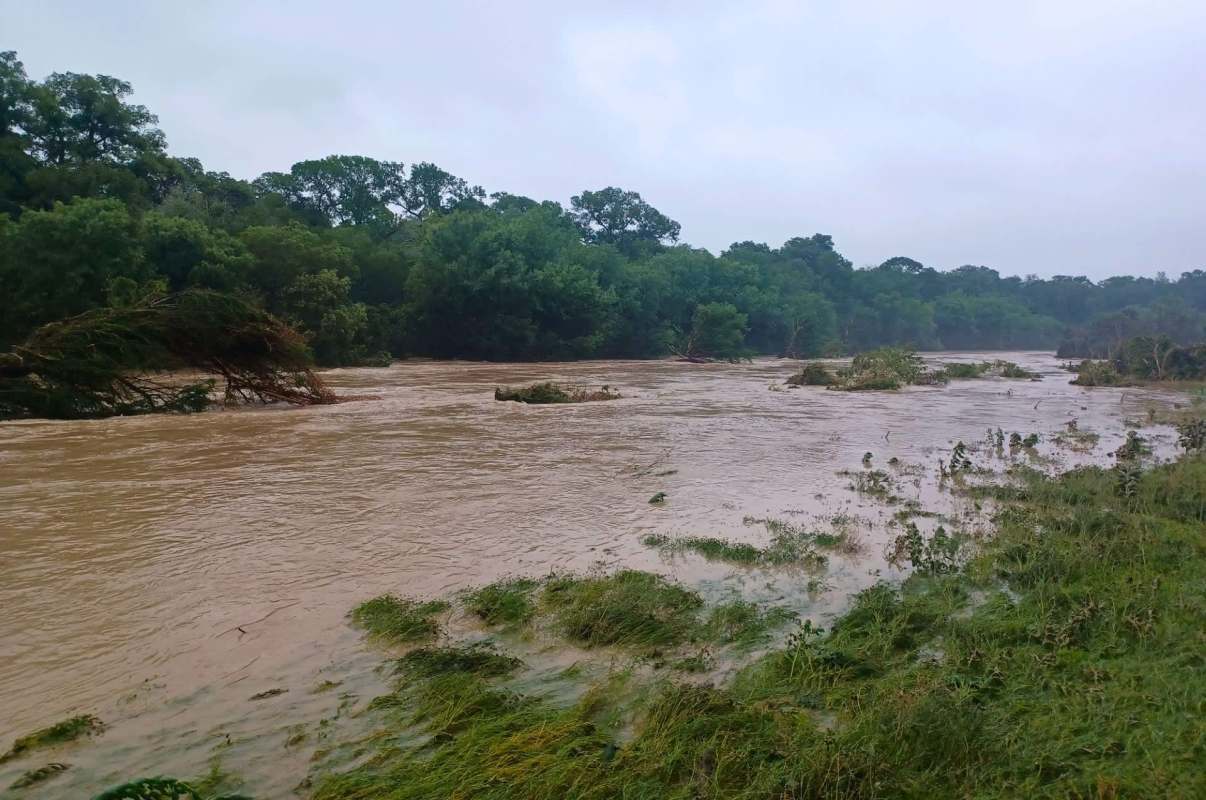
Southern Texas is being hit again by sluggish storms, and new rain is falling on ground already so saturated that flooding has become dangerous.
Rain totals have already reached up to 16 inches, forcing emergency crews to rescue residents as creeks and rivers swell across the Hill Country.
What's happening?
In Boerne, Cibolo Creek spilled over and flooded a main road through town while more than 25,000 people were under the highest level of flood warning. CNN reported that Wednesday flash flood emergencies were issued for parts of the San Antonio region, including Boerne and D'Hanis, as additional heavy rain fell on ground soaked for days.
By Tuesday, at least 36 people had been rescued from floodwater in Uvalde County, and Texas Game Wardens said they had saved more than 40 people across the state from flooded homes and stranded vehicles. The flooding had already triggered dozens of rescues.
CNN reported that residents in flood-hit Uvalde were under mandatory evacuation orders, while Medina County and Hondo set up a shelter for people leaving D'Hanis.
Chris Shadrock, the director of communications and civic engagement for the city of Boerne, warned residents about the severity of the conditions.
TCD Picks » Good Store Spotlight
Get 10% off your next purchase with code TCD10




"This is a life-threatening weather event. I don't want to mince words about how serious this situation is," Shadrock said.
Forecasters say the danger is not over. The Weather Prediction Center issued its highest flood-risk alert for a second straight day, warning that another 10 to 20 inches of rain could fall in parts of the region by the end of the week.
Why does it matter?
Fast-rising floodwater can cause injuries and deaths, contaminate drinking water, damage crops and property, and leave families facing costly repairs, lost wages, and health risks, including mold exposure.
Warmer air can hold more moisture, allowing storms to unload more rain over short periods. Scientists say that is why heavier downpours are becoming more likely as planet-warming pollution raises temperatures.
TCD Picks » Quince Spotlight
💡These best-sellers from Quince deliver affordable, sustainable luxury for all




In Texas Hill Country, steep slopes, shallow soils, and exposed bedrock make flash flooding especially dangerous because rain runs off quickly instead of soaking into the ground.
What's being done?
State and local officials are responding with rescues, evacuation orders, emergency shelters, and disaster declarations, according to CNN. Governor Greg Abbott issued a disaster declaration for 59 counties, while local authorities continued to pull people from floodwater and monitor rapidly rising waterways expected to reach major flood stage.
The National Weather Service pushed urgent warnings to residents near vulnerable creeks and rivers. In D'Hanis, the National Weather Service said, "Seco Creek is rising rapidly. Those in flood-prone areas along the creek are asked to move to higher ground immediately."

Get TCD's free newsletters for easy tips, smart advice, and a chance to earn $5,000 toward home upgrades. To see more stories like this one, change your Google preferences here.






