


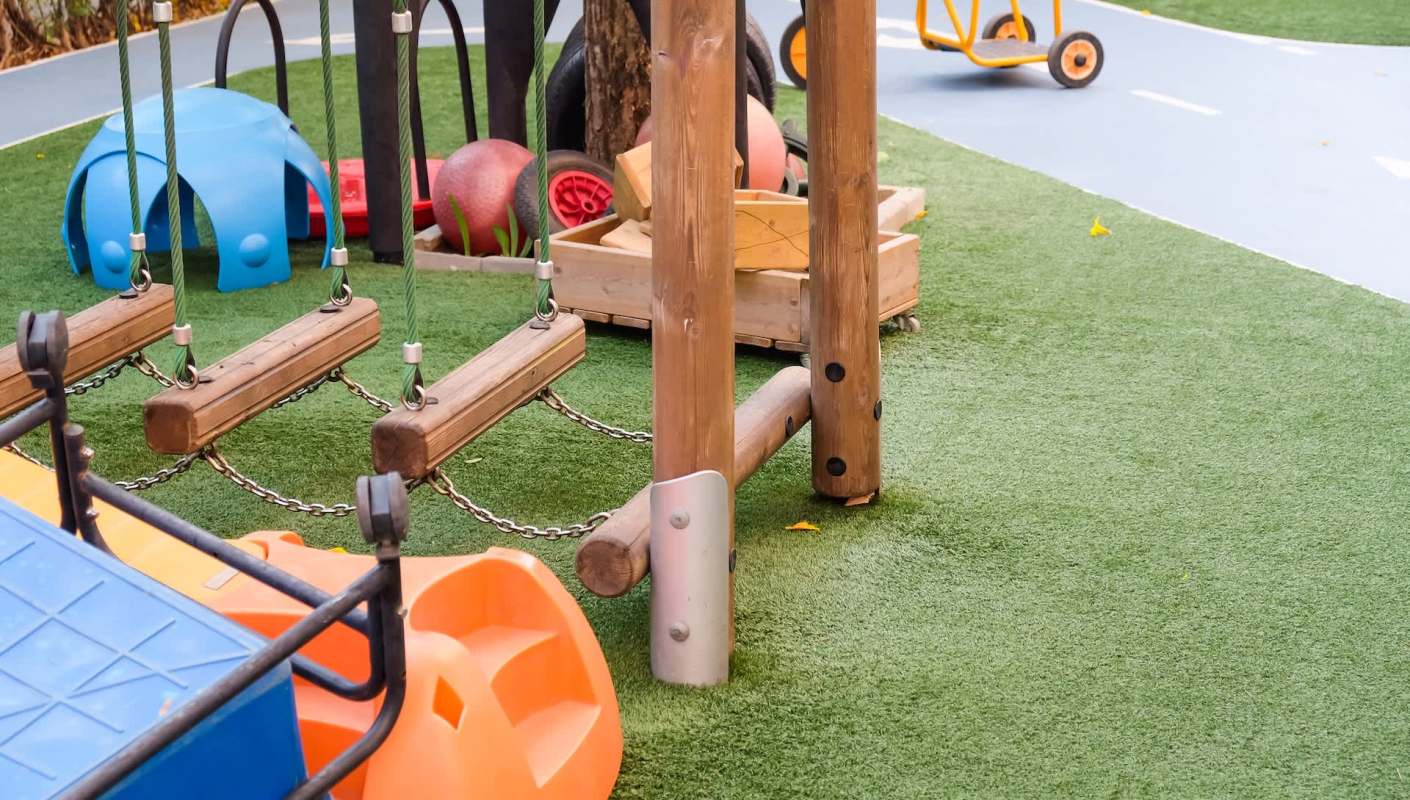
Synthetic turf has long been a popular choice for sports fields thanks to its low maintenance needs and all-season durability.
But the material is increasingly drawing concern over its risks to human health, including reaching dangerously high temperatures and leaching harmful chemicals into the environment.
What's happening?
Australian officials and community members have been drawing attention to the dangers of synthetic turf, especially the risk of burns from high surface temperatures, The Age reported.
The New South Wales government warned that astroturf could get up to 75 degrees Celsius — or 167 degrees Fahrenheit — on a hot day.
In an experiment, Ben Cox from Australia's Parents for Climate measured synthetic turf on a hot day at 54 degrees in the sun and 44 in the shade — or roughly 130 and 111 degrees Fahrenheit, respectively.
Natural grass, however, measured significantly cooler at 42 degrees in the sun and 38 in the shade. That's a range of about 100 to 108 degrees Fahrenheit.
Perk up the winter blues with natural, hemp-derived gummies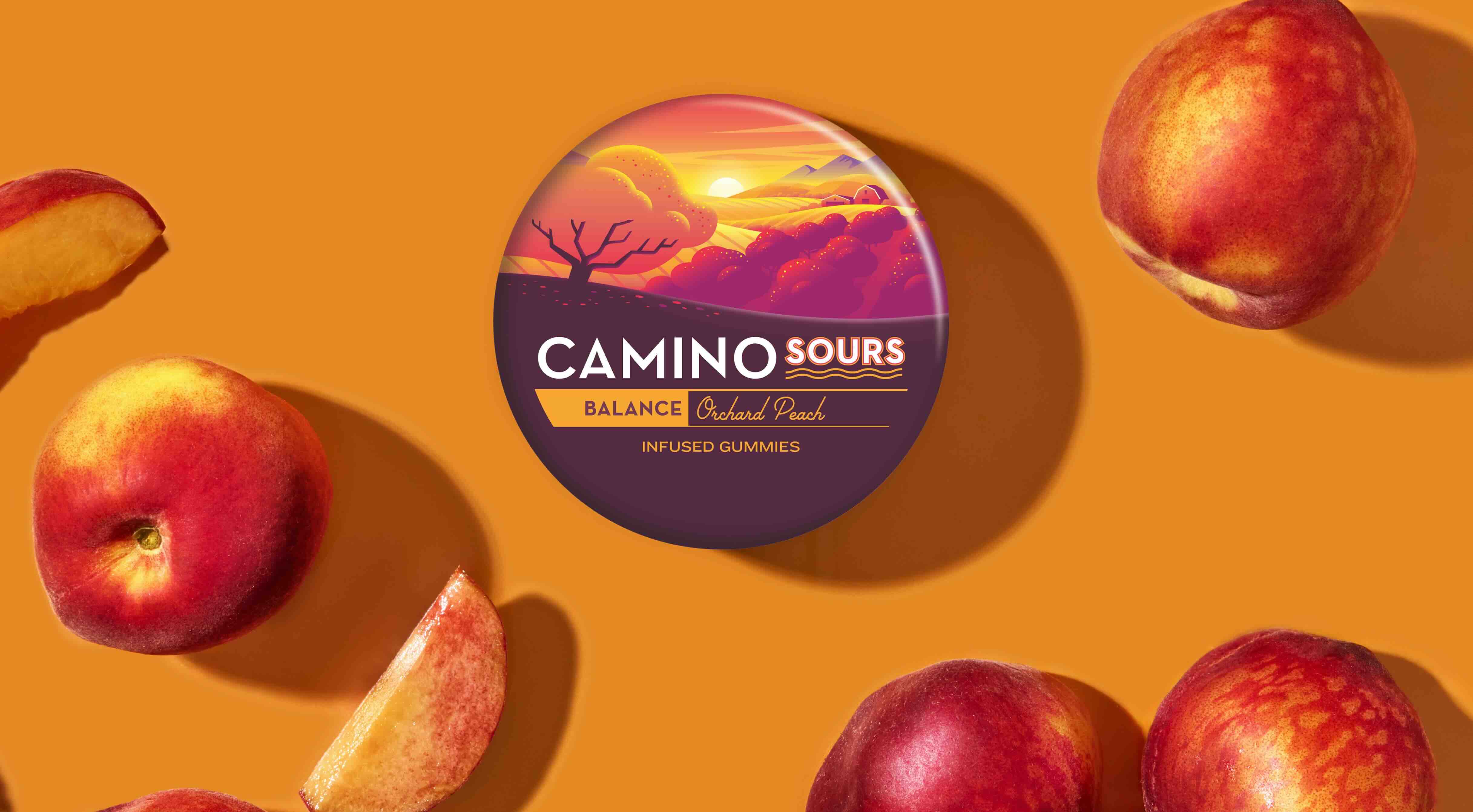 Camino's hemp-derived gummies naturally support balance and recovery without disrupting your routine, so you can enjoy reliable, consistent dosing without guesswork or habit-forming ingredients. Flavors like sparkling pear for social events and tropical-burst for recovery deliver a sophisticated, elevated taste experience — and orchard peach for balance offers everyday support for managing stress while staying clear-headed and elevated.
Learn more → |
Why is the popularity of synthetic turf concerning?
As the planet gets warmer, people who engage in outdoor recreation will increasingly come in contact with scorching astroturf, which can burn them on contact. It's particularly concerning when heat-absorbing materials are used in playgrounds designed for kids.
"As the climate changes, we're going to have to invest more and more money in keeping playgrounds safe so they can be used year round," Cox told The Age.
Synthetic turfs also contribute to the urban heat island effect, in which heat-trapping materials like concrete make cities considerably warmer than their surroundings. That makes for an uncomfortable experience not just for players on the field, but also for everyone in the surrounding area.
Plus, synthetic turf is made of plastic. It is coated in per- and polyfluoroalkyl substances, "forever chemicals" that don't break down in the environment and that have been linked to human health risks.
TCD Picks » Upway Spotlight
💡Upway makes it easy to find discounts of up to 60% on premium e-bike brands
|
What's the most you'd pay per month to put solar panels on your roof if there was no down payment?
Click your choice to see results and speak your mind. |
 $200 or more 💰
 Unlike the real thing, plastic grass isn't biodegradable. Instead, it breaks down into tiny particles called microplastics, which spread throughout the environment and often contaminate waterways.
Synthetic grass segments appeared in 95% of samples taken from Sydney Harbor's Manly Cove in 2024–2025, according to The Age.
What's being done about synthetic turf?
A growing group of Australians is campaigning for the use of grass over astroturf, and some concerned citizens formed the Natural Turf Alliance to promote their cause.
While homeowners might not get to dictate the material of their nearby soccer field, they can control what goes on in their own front yards. To reap the low-maintenance benefits of astroturf without the heat absorption and pollution, consider switching to a pollinator-friendly natural lawn.

Get TCD's free newsletters for easy tips to save more, waste less, and make smarter choices — and earn up to $5,000 toward clean upgrades in TCD's exclusive Rewards Club.
Cool Picks






