


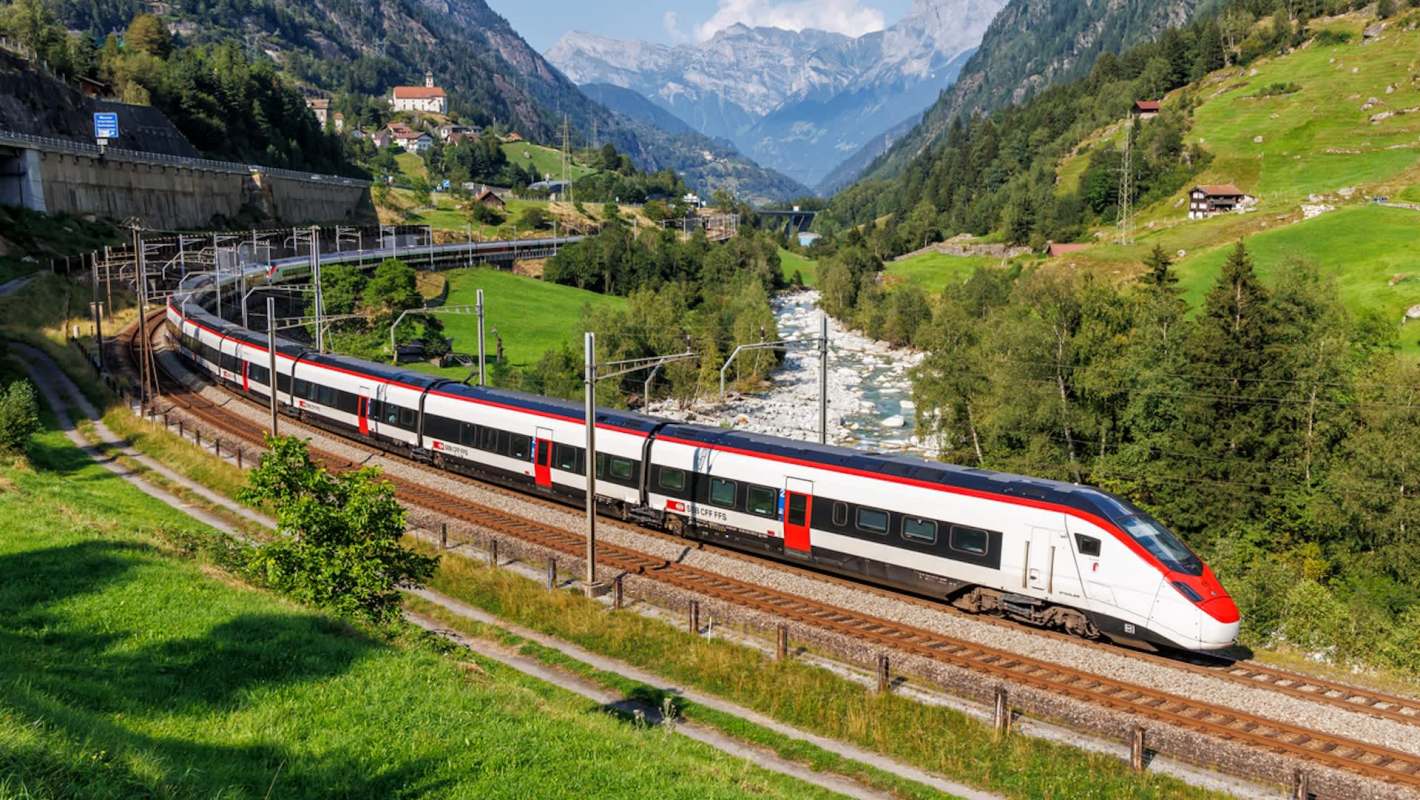
Known for its snowy Alps and pristine lakes, Switzerland is facing dramatic environmental changes, according to new projections from the Federal Office of Meteorology and Climatology (MeteoSwiss) and ETH Zurich.
According to The Mirage, the country's latest CH2025 climate scenarios reveal Switzerland is heating faster than the global average, threatening its communities and winter tourism industry.
What's happening?
On Nov. 4, researchers from MeteoSwiss and ETH Zurich unveiled updated climate projections showing that Switzerland is warming by more than 5 degrees Fahrenheit above pre-industrial levels — more than double the global average.
If our global temperature increases 3 degrees, then Switzerland could experience an increase of roughly 9 degrees, with wide-reaching effects on snow, rainfall, and summer droughts.
"The new climate scenarios give us a clearer picture of changes in Switzerland's climate in the decades ahead," according to Federal Councillor Elisabeth Baume-Schneider. "They help us to assess developments and plan appropriate measures
The report outlines four major shifts already underway: more extreme heat, drier summers, heavier rain, and a shrinking snowpack. Zurich could see five times more tropical nights per year, while mountain regions face declining snowfall as the freezing line rises over 550 meters (1,804 feet).
Why are the new projections important?
The new scenarios represent a rapid acceleration compared to the nation's 2018 projections, showing how quickly Switzerland's environment is changing.
Persistent droughts could devastate farms across the country, with rising heat and erratic storms placing additional strain on infrastructure and water systems. The country's famous ski resorts, which attract millions annually, could struggle to maintain snow cover and harm the local economy.
Scientists have stressed that these patterns are not isolated events, but part of a long-term global trend. Human activity has intensified heat and heavy rainfall, often with disastrous results.
What's being done about the new projections?
Swiss officials have emphasized two priorities: cutting emissions and preparing for unavoidable impacts.
TCD Picks » Quince Spotlight
💡These best-sellers from Quince deliver affordable, sustainable luxury for all




|
Do you feel like the air quality is safe where you live? Click your choice to see results and speak your mind. |
 Always 💯
 The Federal Council's strategy will focus on reducing pollution and expanding adaptation measures to protect cities, farms, and infrastructure from the ongoing impacts of rising heat and shifting precipitation patterns.
Internationally, Switzerland is committed to the Paris Agreement's goal of limiting rising global temperatures to below 2.7 degrees Fahrenheit.
"With ambitious mitigation and global net-zero emissions by 2050, most of the future long-term warming and impacts could be averted," said ETH Zurich climate researcher Reto Knutti.
Every small reduction counts — even a tenth of a degree can limit damage to ecosystems and communities. You can explore more ways to take meaningful steps toward a safer, more sustainable future in this guide to exploring critical climate issues affecting the planet.

💰Get TCD's free newsletters for easy tips to save more, waste less, and make smarter choices — and earn up to $5,000 toward clean upgrades in TCD's exclusive Rewards Club.
Cool Picks






